8. Notebook
Advertisements
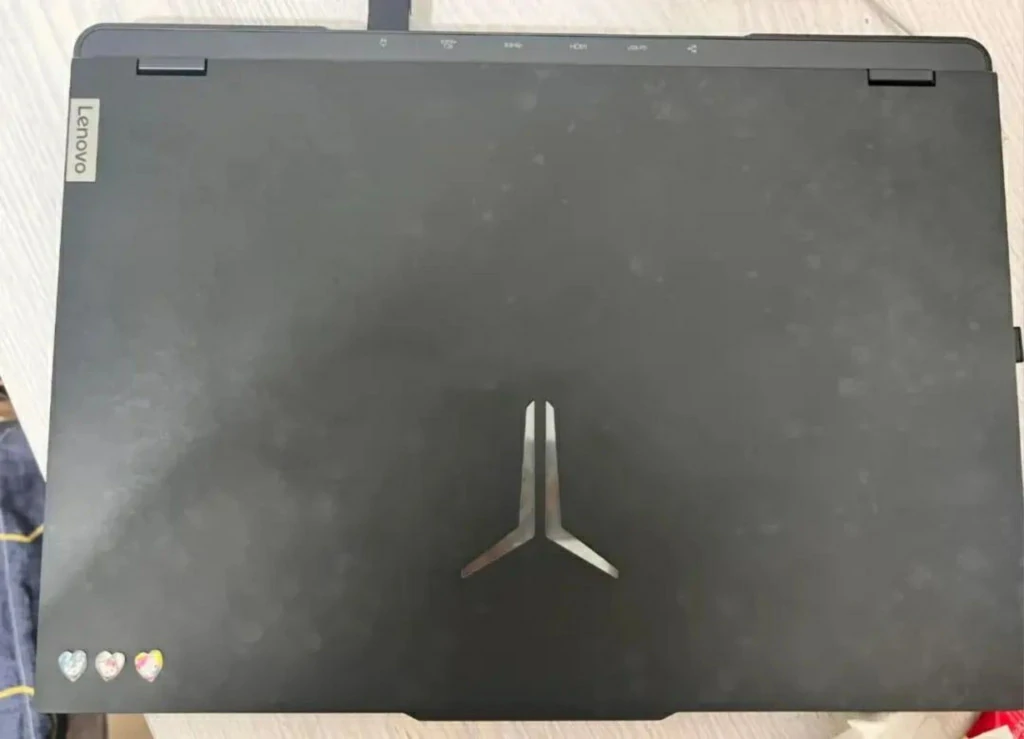
I don't know if anyone has ever wiped a laptop with alcohol wipes, but I have, and I suffered very serious consequences as a result. I advise everyone not to follow in my footsteps!
First, there's the screen. Those in the know understand that there's a glare layer on laptop screens. Alcohol, as an organic solvent, can dissolve or damage this coating, leading to a decrease in screen display quality and problems such as blurriness and glare.
Then there's the casing. Laptop casings are usually made of either plastic or metal composite materials, or they have a coating or skin-like film. Regardless of the type, they will react with alcohol. Small amounts may go unnoticed, but large amounts will cause the casing surface to discolor or become rough.
Note: There is a risk of alcohol seeping into internal components when wiping a laptop. If it seeps into the laptop through the gaps in the keyboard, it may corrode internal components or cause short circuits, key failures, or sluggish touchpad operation. It is recommended to wipe with a soft cotton cloth.
9. Skin mask cabinet
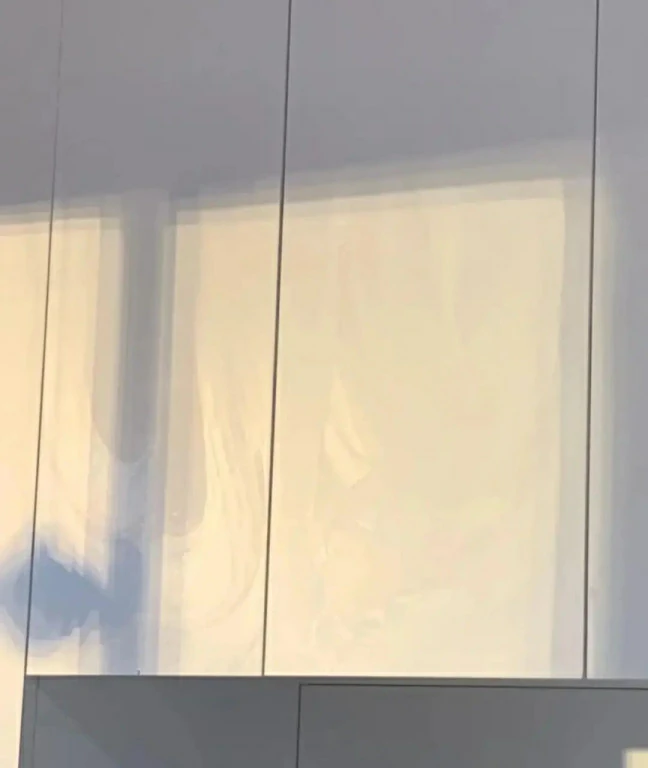
As we all know, skin-feel film cabinets have a film applied to the board material to improve its texture. However, what many people don't know is that this film is made of polyvinyl chloride (PVC), and wiping it with alcohol will definitely damage the surface film.
Because skin-feeling masks are prone to leaving fingerprints and are difficult to clean, people may try different "tricks" to achieve cleanliness. I must remind you to avoid using nano sponges.
Although nano sponges appear soft, they are actually similar to fine sandpaper, which can polish and wear down the skin-like film, causing blemishes and scratches on the cabinet surface.
Recommendation: If you have a cabinet with skin-friendly masks at home, in addition to using a special skin-friendly mask cleaner, you can also use kitchen wipes or a soft cloth dampened with dish soap to wipe it. This not only provides good cleaning power but also protects the skin-friendly mask from damage.
10. Wooden Flooring
Some of these "cleaning tips" are actually quite misleading; adding alcohol to the mop water is one example.
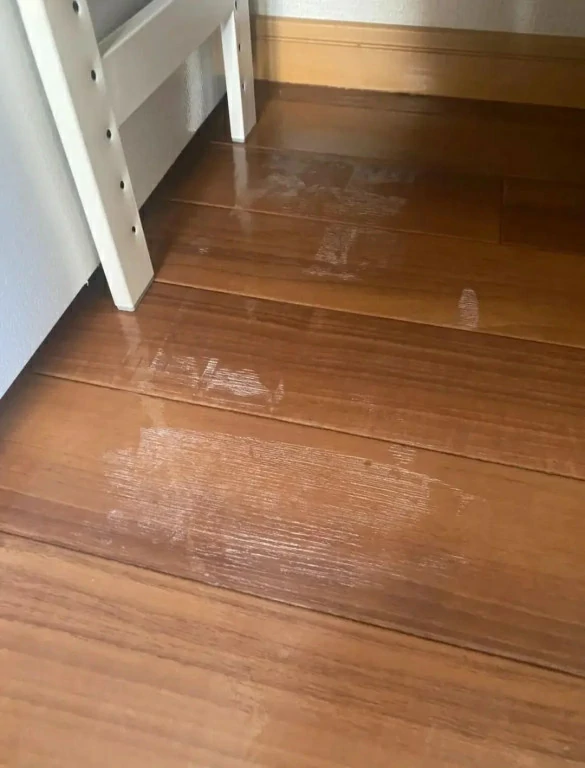
Adding alcohol to ceramic tile floors can kill bacteria and disinfect them, but it doesn't work for wooden floors. This fact is often overlooked, and many people who have wooden floors in their homes have suffered from the harm caused by this little trick.
The floor, which was originally in good condition, suffered varying degrees of damage, including fading, discoloration, and roughening of the surface, after being mopped with water containing alcohol.
That's not even the worst part. The more serious issue is the waterproofing. Wood floors are usually waterproofed, but alcohol can damage the waterproof layer on the surface of the wood floor. Once the waterproof layer is damaged, the wood floor is easily affected by moisture. If the house is humid or the mop is very wet, it is also prone to mold and deformation.
Recommendation: For wooden floors, if you want a higher level of cleanliness, just add some floor cleaner. It's not expensive; a few dollars will last for half a year, and it's safe and clean.
Advertisements
Advertisements
You May Have Missed
40 Breathtakingly Perfect Time-Lapse Photos

Man gives hitchhiker a lift home—and is shocked by the news the next day