
5 Brilliant Ziplock Bag Hacks Everyone Should Know
Advertisements
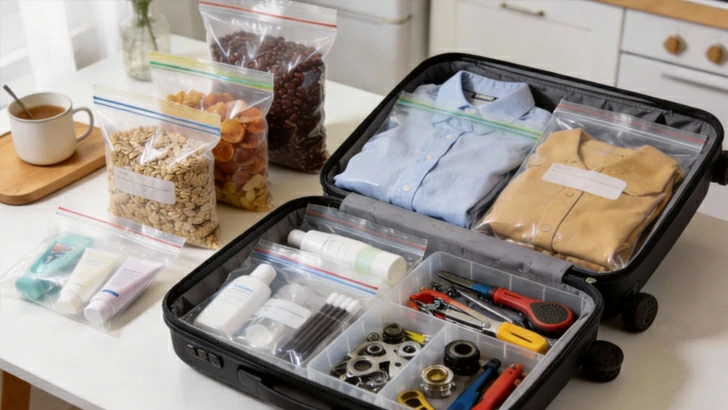
Ziplock bags are a staple in pantries and drawers worldwide, but their utility extends far beyond simple food storage. These humble, sealable plastic bags are inexpensive, versatile, and surprisingly powerful tools for organization, protection, and even culinary creativity. By thinking outside the box (or bag), you can solve everyday problems, reduce waste, and streamline tasks in every room of your house. From travel hacks to kitchen tricks and workshop solutions, here are five brilliant ziplock bag uses that will change how you see this everyday item.
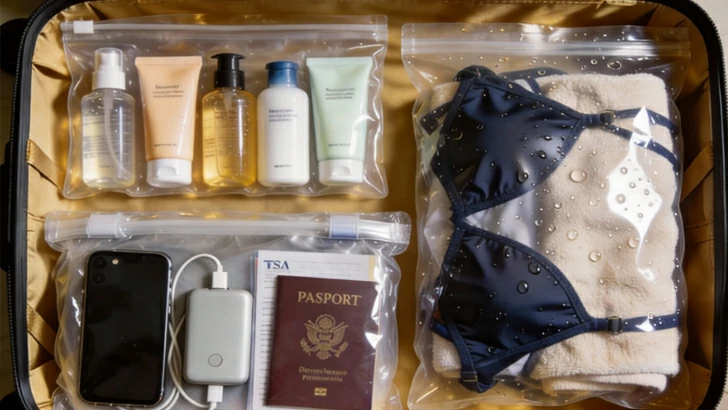
1. The Ultimate Travel Organizer and Protector
Ziplock bags are a traveler's secret weapon, offering organization and protection in a lightweight, transparent package. They are perfect for complying with airline liquid regulations and keeping your belongings dry and tidy.
1. TSA-Compliant Liquid Kits
Instead of buying expensive travel-sized containers, use small quart-sized bags to create customized kits. Pour shampoo, conditioner, and body wash into smaller bottles or contact lens cases, then place them all in the bag. You can create separate bags for skincare, first-aid (ointment, bandaids, pills), and even a mini-cleaning kit with a damp soapy cloth and a dry one.
2. Wet or Dirty Clothing Isolation
Never let a wet swimsuit or muddy socks soil the rest of your luggage. Tuck a few gallon-sized bags into your suitcase. As you generate damp towels or soiled clothes, seal them away. This contains moisture, odors, and dirt, keeping everything else in your bag fresh and clean.
3. Electronics and Document Safeguard
Protect your electronics from unexpected spills, sand, or rain by sealing them in a ziplock bag. This is especially useful for phones at the beach or poolside. Similarly, keep important travel documents, passports, and tickets together in a clear bag for easy access and protection from coffee spills in your carry-on.
Advertisements
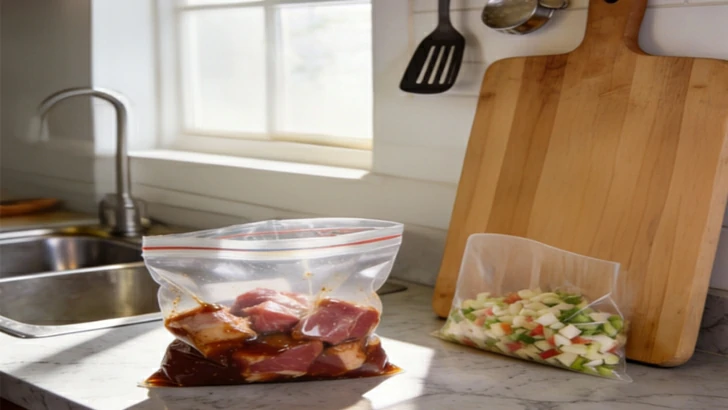
2. Kitchen Helper Beyond Leftovers
The kitchen is the traditional home of the ziplock bag, but its roles here are more diverse than you might think. It can be a tool for cooking, prepping, and even kitchen safety.
1. Mess-Free Marinading and Coating
Marinating chicken, beef, or tofu becomes a clean, hands-off job. Place the protein and marinade in a sturdy freezer bag, seal it (removing as much air as possible), and squish it around to coat. Lay it flat in the refrigerator—the bag ensures even coverage and easy cleanup. The same technique works for coating chicken pieces in flour or breadcrumbs; just add the coating to the bag and shake.
2. DIY Piping and Corner Bags
Forgot a piping bag? No problem. Spoon icing, mashed potatoes, or whipped cream into a sturdy quart or gallon bag. Push the contents to one bottom corner, twist the top of the bag to create pressure, and snip a tiny piece off that corner. Instant piping bag! Use different snip sizes for fine lines or broad strokes.
3. Crumb-Catching Cutting Board Guard
When slicing lemons, onions, or especially crumbly bread, contain the mess. Take a gallon-sized bag and slit the sides and bottom seam open, creating a large plastic sheet. Drape this over your cutting board before you start chopping. When done, simply gather the plastic sheet, funnel all the scraps and peels into your compost or trash, and rinse the board—minimal cleanup required.
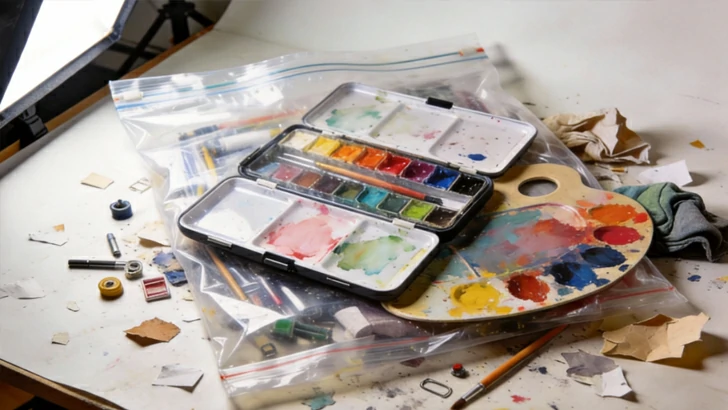
3. Craft and Utility Room Power Tool
In areas where mess is inevitable, ziplock bags provide containment and organization for small parts, messy materials, and DIY projects.
1. Portable Paint Palette and Saver
For craft paints, especially with kids, squeeze small amounts of different acrylic or watercolor paints onto a palette or plate, then place the entire palette into a large gallon bag. The child can paint through the bag, keeping hands relatively clean. To save leftover mixed paint for touch-ups, spray the mixture with a little water and seal it tightly in a small bag—it can stay workable for days.
2. Hardware Sorting and Project Kits
Organizing screws, nails, bolts, or small craft components like beads is easy with small snack or sandwich bags. Label them with a permanent marker. For a specific repair project (e.g., assembling furniture), put all the required screws, anchors, and Allen keys into one bag and tape it to the instruction manual.
3. Safe Disposal of Messy Materials
Used paintbrushes, greasy car parts, or chemical-soaked rags can be sealed in a bag to prevent drips and contain fumes. For painting, if you need a short break, seal your brush or roller in a bag—it will stay wet for hours, eliminating the need for immediate cleaning.
Advertisements
Advertisements
You May Have Missed

Man gives hitchhiker a lift home—and is shocked by the news the next day
Time Travel Through History With These Vintage Photos