
8 Creative Uses for Irish Spring Soap in the Yard & Garden
Advertisements
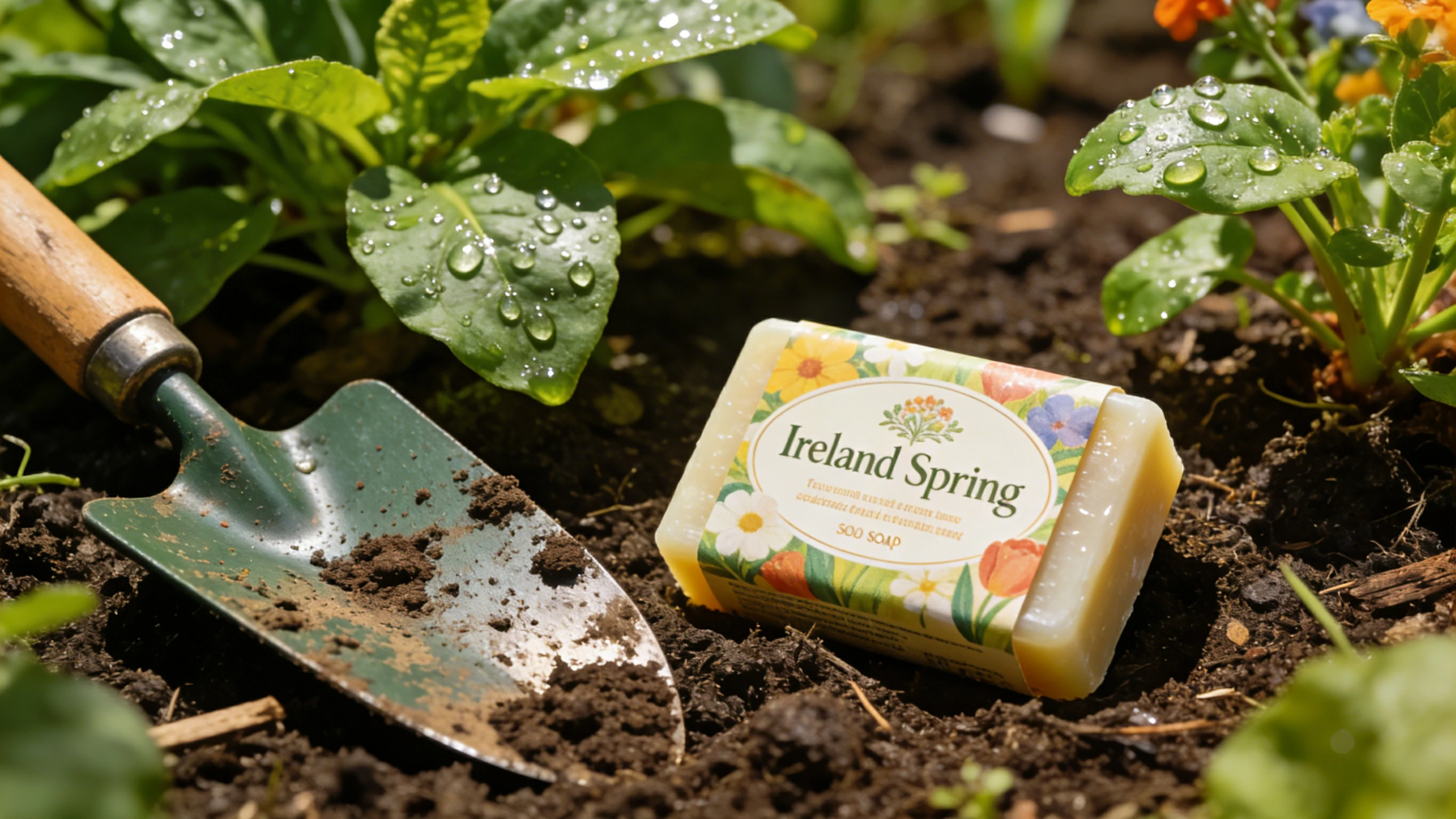
For decades, Irish Spring soap has been a household staple, renowned for its crisp, invigorating scent and effective cleaning power. However, its utility extends far beyond the shower. Savvy gardeners and homeowners have discovered that this iconic green-and-white bar is a versatile, inexpensive, and surprisingly effective tool for tackling common outdoor challenges. Its strong fragrance, primarily derived from essential oils, and its composition make it a useful deterrent for pests and a handy cleaner in the garden shed. Before using any soap in the garden, it's wise to test a small area on sensitive plants, as individual plant reactions can vary. Here are eight creative ways to put Irish Spring soap to work in your yard and garden, transforming an everyday item into a multi-purpose outdoor aid.
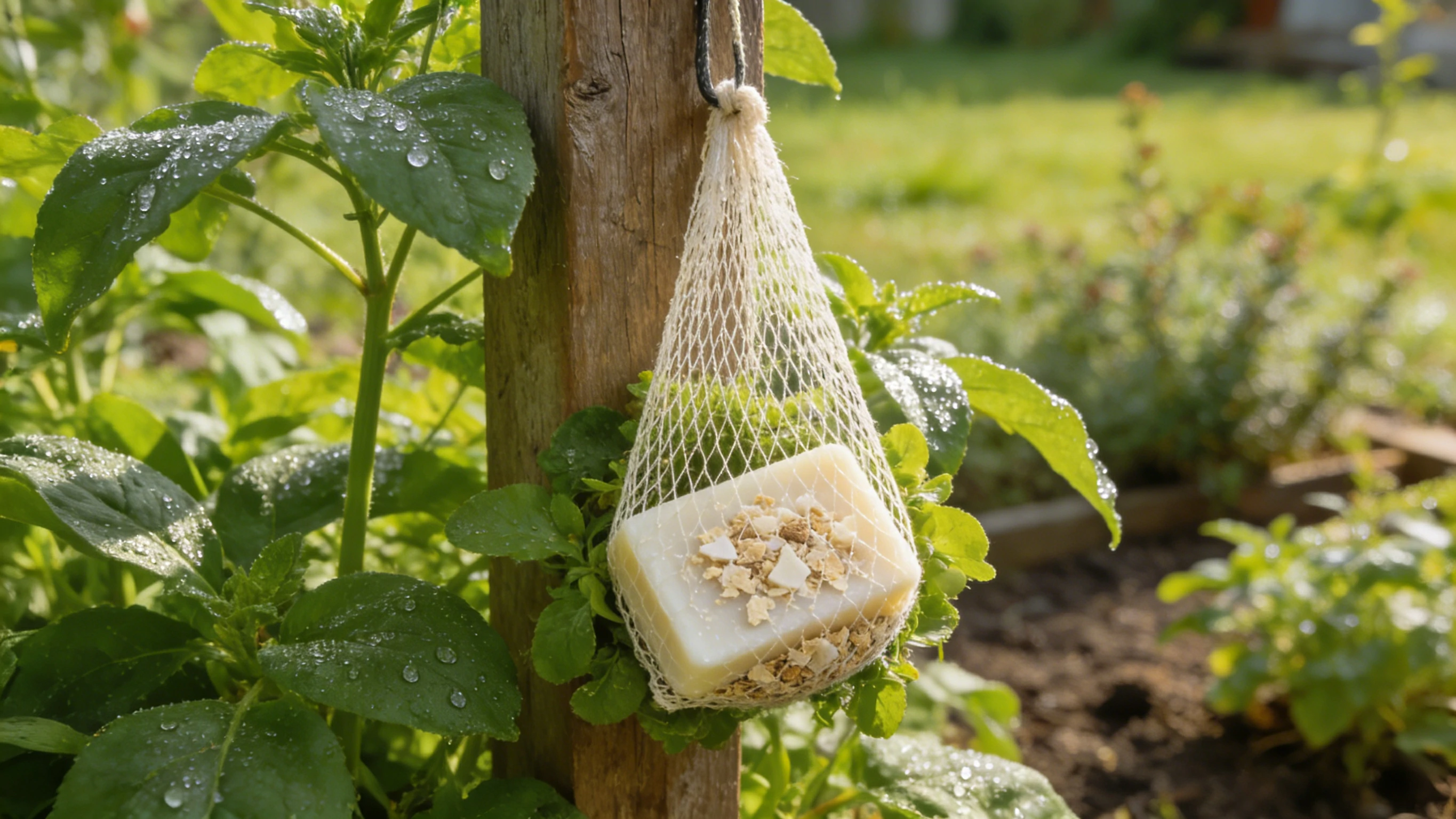
1. Natural Deer and Rabbit Deterrent
One of the most celebrated garden uses for Irish Spring soap is as a repellent for foraging mammals like deer and rabbits. These animals have a keen sense of smell and are often discouraged by strong, unfamiliar odors. The potent scent of Irish Spring masks the appealing aroma of your tender plants, creating an invisible barrier.
1. How to Use It:
Drive wooden stakes into the ground around the perimeter of the garden or around specific vulnerable plants. Using a cheese grater, shave the bar of soap into small flakes or chunks. Place the shavings into mesh bags (like onion bags or small pieces of netting) and hang them from the stakes at a height of about 2-3 feet off the ground. Replenish the shavings after heavy rain, as the scent will fade.
2. Strategic Placement:
Focus on the boundaries of your property and the edges of vegetable patches or flower beds. Pay special attention to plants known to be deer favorites, such as hostas, tulips, roses, and bean plants.
3. Why It Works:
The theory is that the soap's strong, perfumed scent and possibly its taste are unpleasant to deer and rabbits. It does not harm the animals but convinces them to browse elsewhere. This method is most effective as part of a larger deterrent strategy, such as combined with fencing or other repellents.
Advertisements
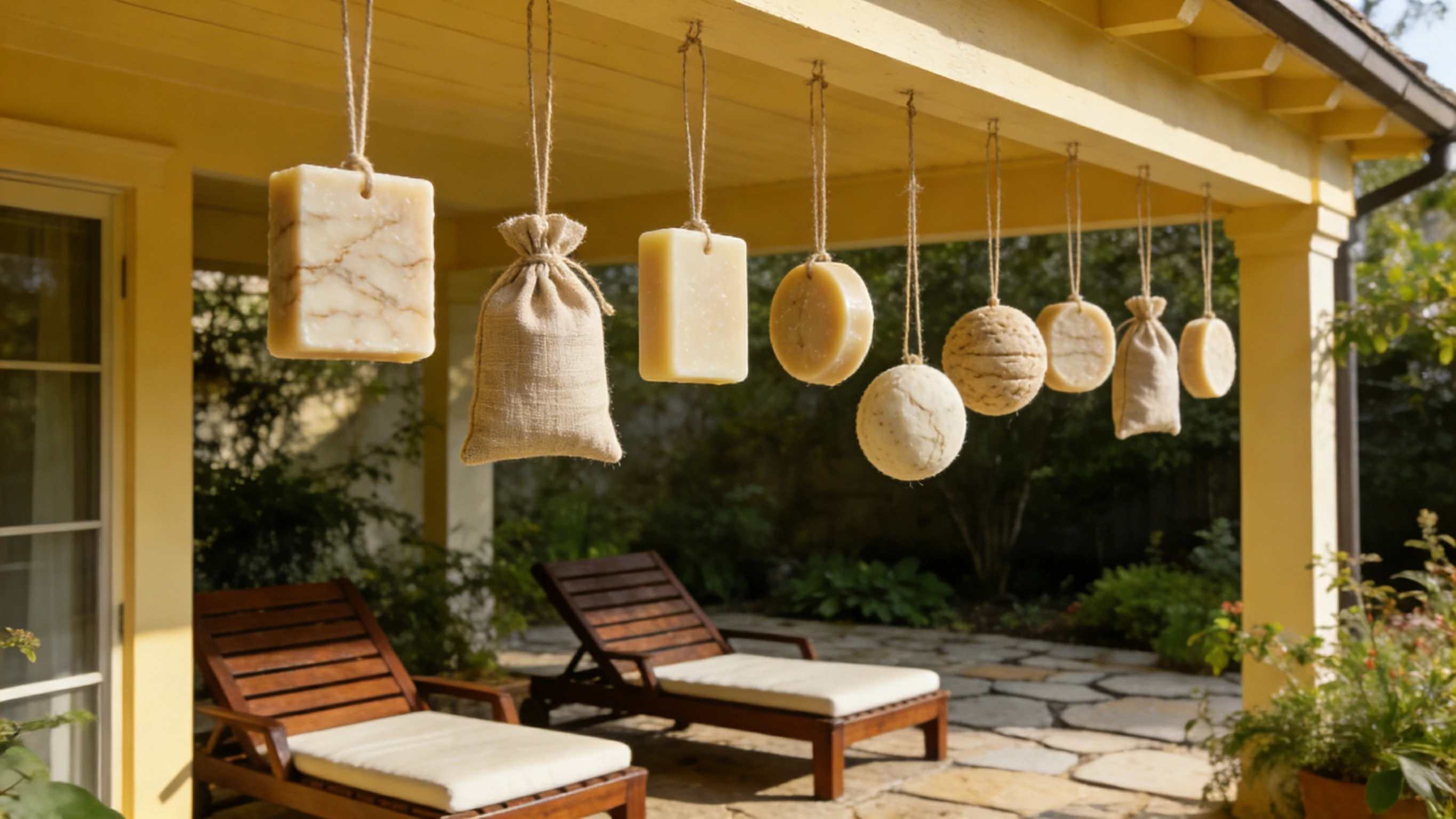
2. Insect-Repelling Hanging Sachets
While the soap's effect on larger mammals is well-known, its strong scent can also help repel certain insects. This is a popular, low-toxicity method for keeping areas like patios, porches, and small garden sitting areas more comfortable.
1. Creating the Sachets:
Grate one or two bars of Irish Spring soap. Cut squares of breathable fabric, such as cheesecloth or muslin. Place a handful of soap shavings in the center of each square, gather the edges, and secure them with a string or rubber band, creating a small pouch.
2. Placement for Maximum Effect:
Hang these sachets from the eaves of your porch, from tree branches near outdoor seating, or from the handles of your garden tools shed. The breeze will help disperse the scent. They are particularly noted for potentially deterring flies, gnats, and some species of ants.
3. Limitations and Considerations:
It's important to note that this is a repellent, not an insecticide. It will not eliminate an existing infestation but may help prevent insects from congregating in the immediate area. Its effectiveness can vary widely depending on the insect species and the severity of the problem.
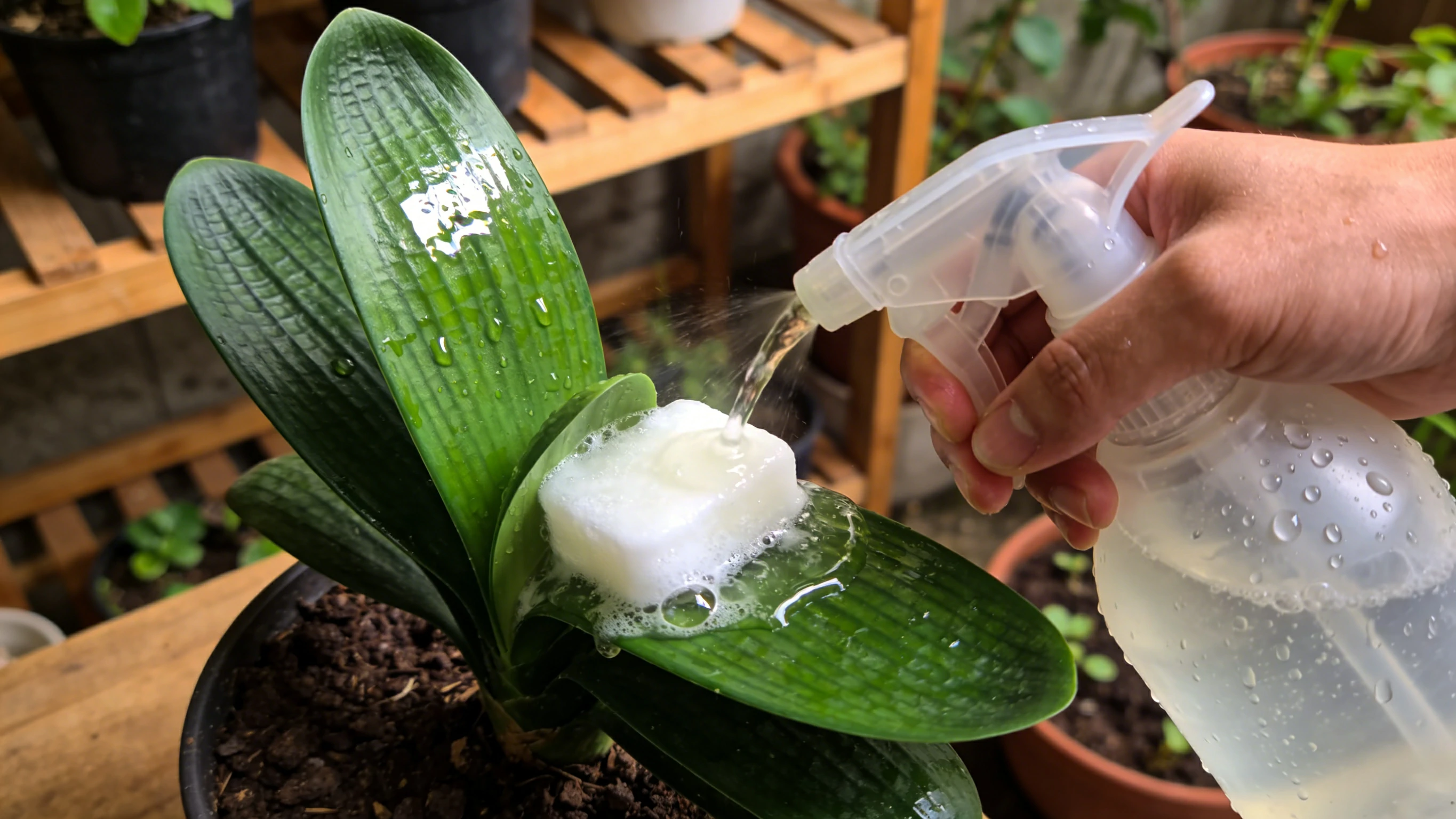
3. Simple Spray for Soft-Bodied Pests
A simple soap spray can be an effective organic treatment for soft-bodied insects like aphids, spider mites, and whiteflies. The soap works by breaking down the insects' protective waxy coating, causing them to dehydrate.
1. The Recipe:
Grate about one tablespoon of Irish Spring soap. Dissolve it thoroughly in one quart of warm water. Let the mixture cool, then pour it into a clean spray bottle. It is crucial to ensure the soap is fully dissolved to avoid clogging the sprayer.
2. Application Method:
Test the spray on a few leaves of the plant and wait 24-48 hours to check for any adverse effects like leaf burn. If clear, spray the mixture directly onto the pests, ensuring good coverage, especially on the undersides of leaves where they often hide. Apply in the early morning or late evening to avoid bright sun, which can cause the wet leaves to scorch.
3. Important Precautions:
This spray is non-selective and can harm beneficial insects like ladybugs and bees if sprayed directly on them. Use it judiciously and only on plants with active infestations. Rinse the plants with clean water a few hours after application to minimize any potential soap residue on the foliage.
Advertisements
Advertisements
You May Have Missed

This Elegant Country Cottage is Movable! Let’s Find out What’s Inside...

30+ Stunning And Successful Redheads Of Hollywood