
Absolutely must turn on this switch on your air conditioner
Advertisements

When it comes to air conditioners, I believe everyone has a love-hate relationship with them. We love them because they allow us to enjoy coolness in the hot summer, but we hate them because they consume so much electricity.
Today, I'll teach you a few tips to save electricity when using your air conditioner. By learning these tips, you can save more than 20% on your air conditioner's electricity.
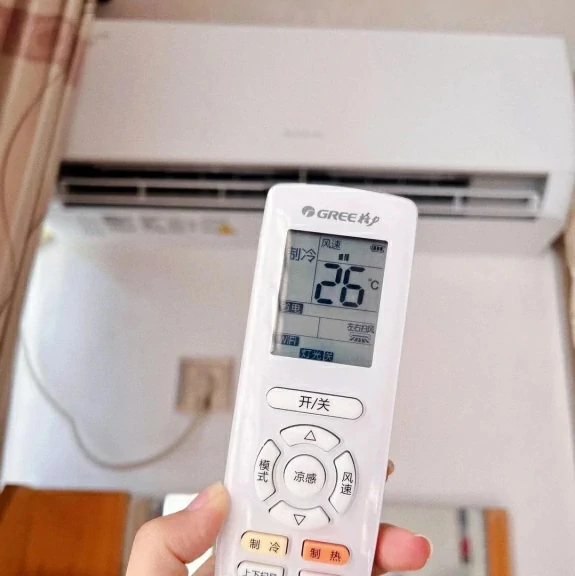
First tip: Set the air conditioner temperature to 26 degrees Celsius.
26 degrees Celsius is generally recognized as the most comfortable temperature for the human body; a few degrees lower and it will feel chilly. Furthermore, in summer, the temperature difference between indoors and outdoors when air conditioning is on is greater. Temperatures below 26 degrees Celsius expose the body to a larger temperature difference, reducing the body's regulatory ability, lowering immunity, and making one more susceptible to illness. Additionally, for every degree Celsius the air conditioner lowers, its power consumption increases by 7%-10%. Therefore, 26 degrees Celsius is a healthy, comfortable, and energy-efficient temperature.
Advertisements
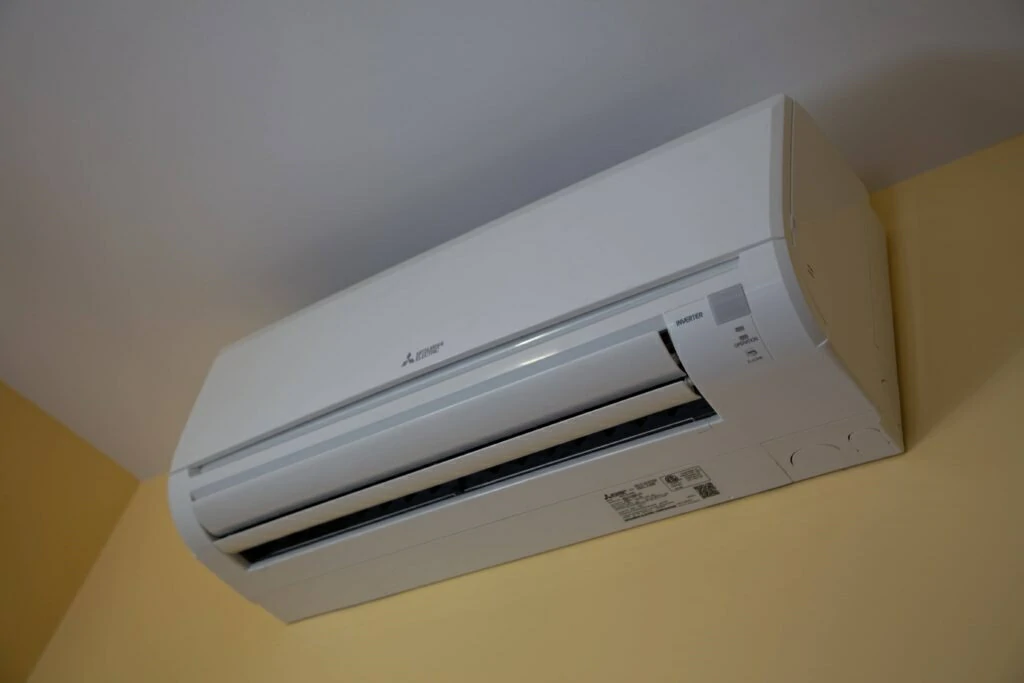
The second tip: Turn on sleep mode at night.
Most people probably haven't used this function and don't understand its specific function. When the air conditioner is in cooling mode, if we select the "sleep" function, after the room temperature reaches the set temperature or after running for 1 hour, the set temperature will automatically rise by 1°C, and after another hour of operation, it will rise by another 1°C. After a total of 8 hours of operation, it will stop running, having risen a total of 2°C in 8 hours. The principle behind sleep mode's energy saving is to reduce the difference between the ambient temperature and the set temperature, making it easier for the compressor to stop, thus saving energy. Additionally, sleep mode will automatically adjust the fan speed to the minimum to prevent catching a cold from strong airflow while sleeping at night, and the noise of the indoor unit will also be minimized. In winter, if the air conditioner is in heating mode, after running in sleep mode for 1 hour, the set temperature will drop by 2°C, and after another hour of operation, it will drop by another 3°C. After a total of 8 hours of operation, the air conditioner will stop running, having dropped a total of 5°C in 8 hours.
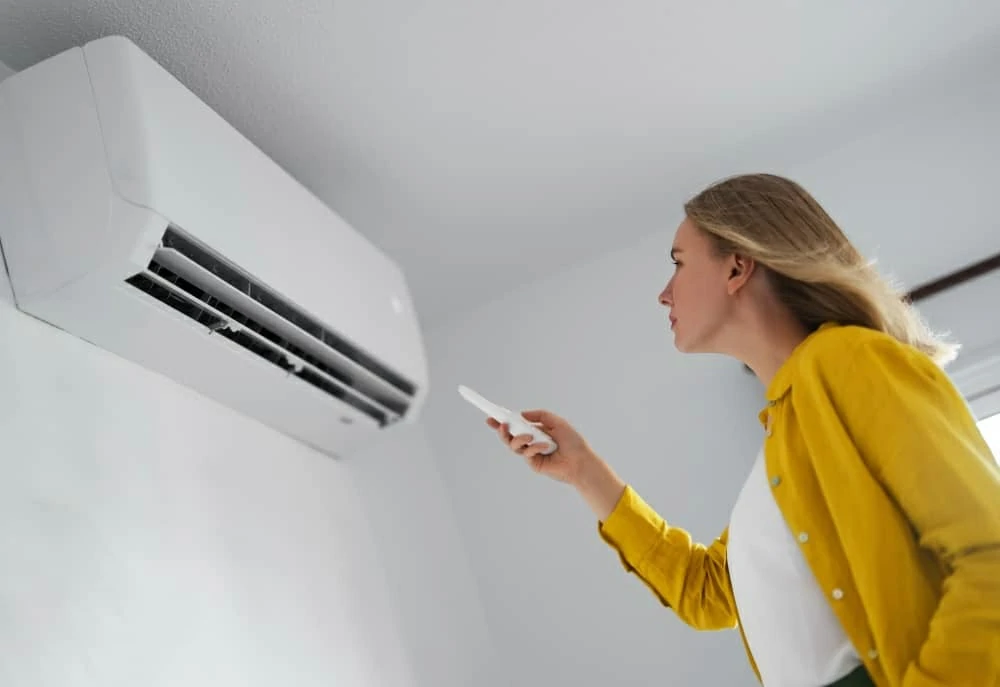
The third tip: Avoid frequently turning the air conditioner on and off.
Many people turn off their air conditioners when they're out for short periods to save electricity, only to turn them back on when they return. This is a big misconception. In reality, air conditioners consume a lot of power during the initial cooling phase. Power consumption only gradually decreases once the room temperature has stabilized near the set temperature. This process typically takes anywhere from 30 minutes to 2 hours, depending on the room size and the air conditioner's capacity. Once the room temperature matches the set temperature, the air conditioner consumes only one-sixth of the power during the high-power cooling phase. Therefore, if you're going out for less than an hour, leaving the air conditioner on will save electricity and extend its lifespan. For even greater energy savings, it's recommended to set the temperature to 28 or 29 degrees Celsius when you leave and then gradually lower it upon your return.
Advertisements
Advertisements
You May Have Missed

Man gives hitchhiker a lift home—and is shocked by the news the next day

Husband divorces wife after she gives birth to black child, her secret revealed 10 years later