
Coca-Cola Weed Killer: A Surprising Garden Hack
Advertisements

The quest for effective, affordable, and readily available weed control solutions is a perennial struggle for gardeners. Amidst a sea of commercial herbicides and DIY concoctions, a particularly unconventional suggestion often surfaces: using Coca-Cola as a weed killer. This fizzy, global beverage, more commonly associated with refreshment than defoliation, has garnered a reputation in certain gardening circles as a potent tool against unwanted plants. But does pouring soda on your weeds truly work, or is it just a sticky, sugary myth? This article delves into the science, methodology, risks, and practical reality behind using Coca-Cola as a herbicide, separating hopeful hack from horticultural fact.
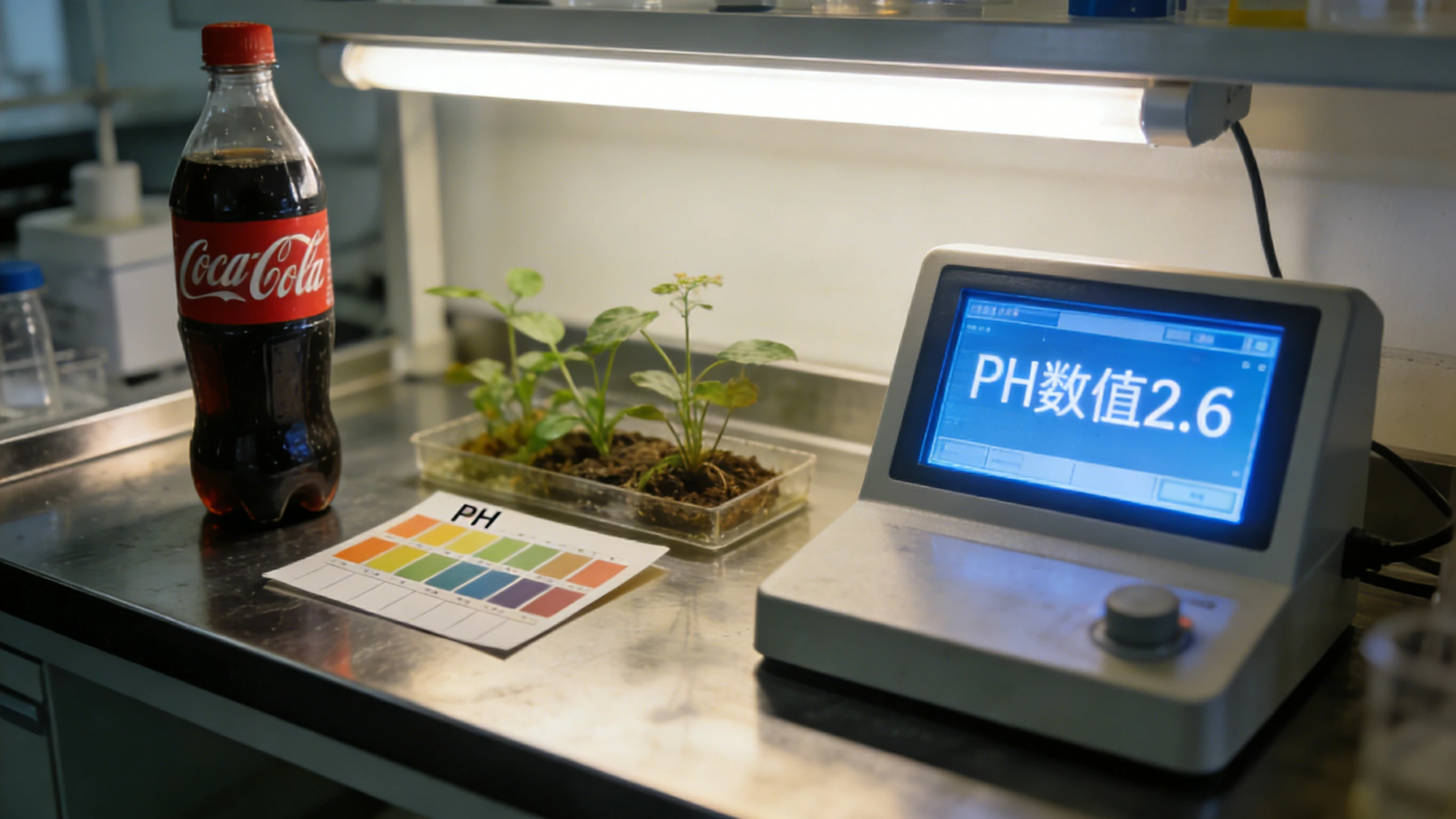
The Science Behind the Fizz: Why Coca-Cola Might Affect Plants
At first glance, Coca-Cola seems an unlikely candidate for plant warfare. However, its chemical composition reveals several properties that can be detrimental to plant life. It's not a single magic bullet but a combination of factors that contribute to its herbicidal potential.
🔬 1. Acidity (Low pH)
Coca-Cola is highly acidic, with a pH typically around 2.5-2.8 due to its primary acidulant, phosphoric acid. Most plants thrive in soil with a pH between 6.0 and 7.5. A direct, concentrated application of such an acidic liquid can cause immediate "burn" damage to plant tissues, disrupting cell membranes and causing leaves and stems to wilt, discolor, and die back. It essentially creates a hostile micro-environment on the plant's surface.
🍬 2. High Sugar Content
A standard can of Coke contains about 39 grams of sugar. When poured onto soil and plant surfaces, this sugar acts in two ways. First, it can coat leaves, potentially blocking stomata (pores used for respiration and transpiration) and reducing the plant's ability to "breathe." Second, and more significantly, the sugar can alter soil microbiology. It provides a massive food source for bacteria and fungi in the soil, which multiply rapidly. This microbial bloom can deplete the soil of oxygen and may even lead to root rot for the affected plant.
💧 3. Osmotic Stress
The dense concentration of dissolved sugars and salts in Coke creates a hypertonic solution. When this solution comes into contact with plant cells, it can draw water out of them through osmosis, leading to plasmolysis—the shrinkage of the cell contents away from the cell wall. This process dehydrates and damages the plant tissues on a cellular level.
Advertisements
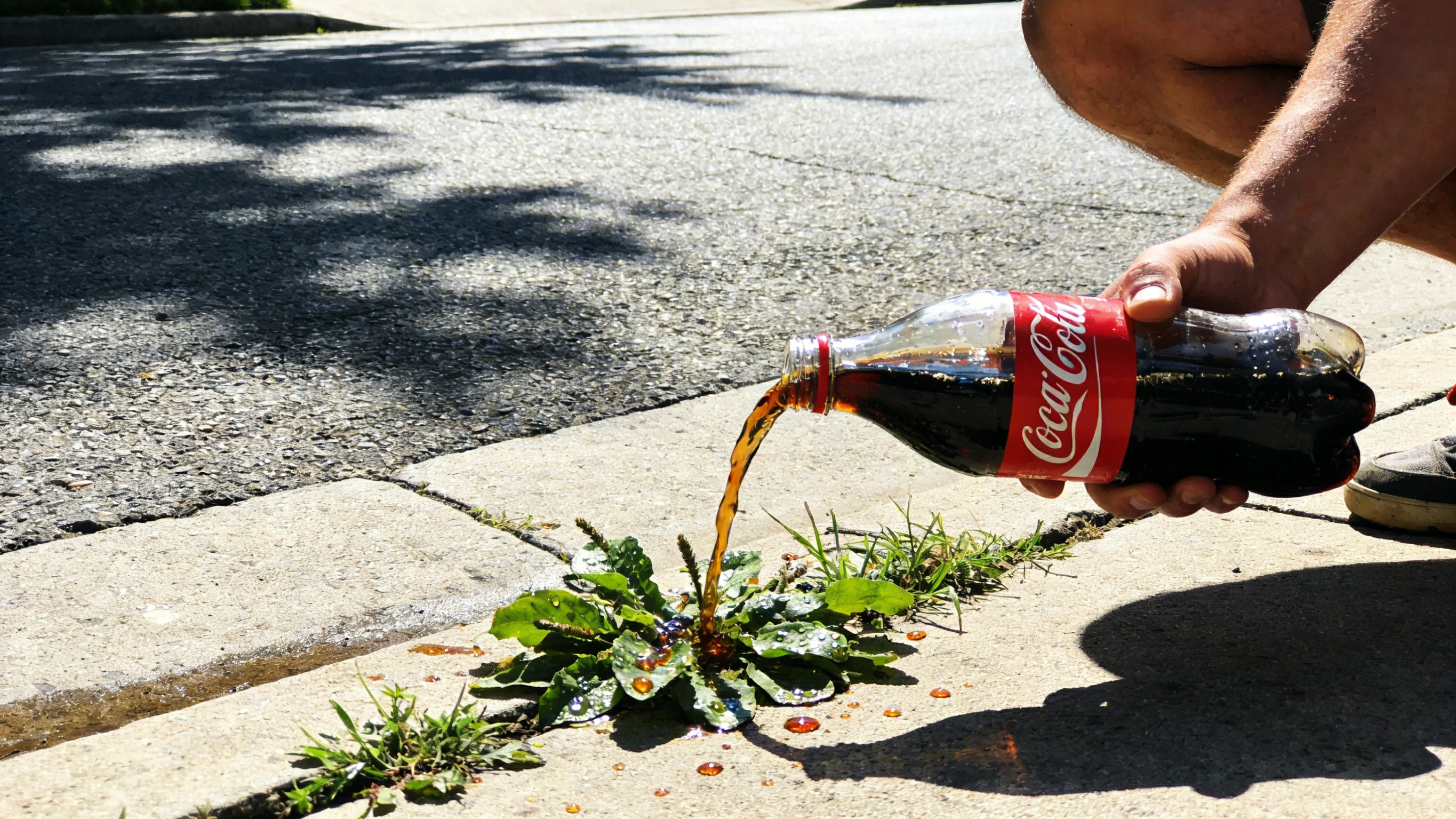
How to Use Coca-Cola as a Weed Killer: A Step-by-Step Guide
If you are inclined to experiment with this method, a targeted and careful approach is crucial to maximize any potential effect and minimize collateral damage. It is most suitable for weeds growing in cracks of driveways, walkways, or patios where you wish to avoid any desirable plants.
⚗️ 1. The Basic Application
Use room-temperature or slightly warmed Coca-Cola (classic, not diet). Pour it directly and generously onto the leaves, crown (base), and surrounding soil of the weed you wish to eliminate. The goal is to thoroughly drench the plant. For best results, apply on a hot, sunny day, as the heat can accelerate the burning and drying process.
🧪 2. The Potentiated Mixture
Many proponents suggest boosting Coke's power by mixing it with other common household agents. A frequent recipe is a 50/50 mix of Coca-Cola and white vinegar. The vinegar (acetic acid) significantly increases the solution's acidity and herbicidal properties. Others add a tablespoon of salt or a squeeze of lemon juice per cup of Coke to enhance the desiccating and acidic effects, respectively. Warning: These enhanced mixtures are even more harmful to soil health and surrounding plants.
⏳ 3. Reapplication and Expectations
Coca-Cola is not a systemic herbicide like glyphosate; it does not travel through the plant's vascular system to kill the roots. It is a contact method. Therefore, you will likely need multiple applications over several days to kill established perennial weeds with robust root systems. Expect to see initial wilting and browning within hours to a day.
Limitations and Drawbacks of the Coca-Cola Method
While the science explains why Coke can harm plants, significant practical limitations prevent it from being a reliable or recommended weed control strategy.
🌱 1. Non-Selective and Surface-Level Action
Coke will damage or kill any plant it touches, including your lawn, flowers, or vegetables. Its action is primarily contact-based, meaning it often kills only the top growth. The roots of many tough weeds (like dandelions or bindweed) frequently survive and resprout, making the treatment ineffective in the long term.
🐜 2. Unwanted Side Effects
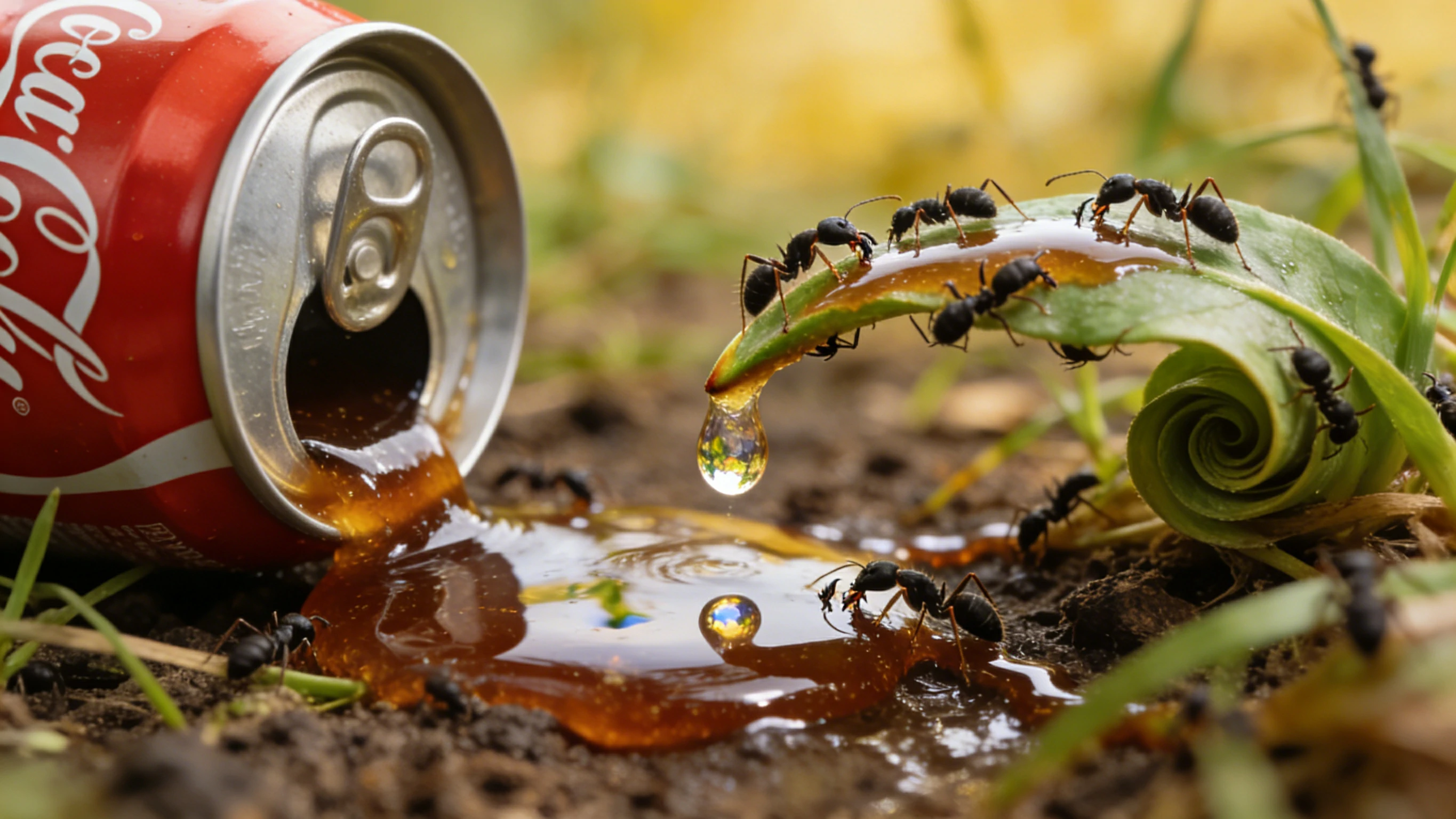
The high sugar content is a major drawback. It attracts ants, wasps, flies, and other insects to your garden. The sticky residue left on pavement or leaves is unpleasant and can attract more dirt and mold. The sugar and acid can also negatively impact beneficial soil organisms and earthworms in the application area.
💰 3. Cost and Inefficiency
Considering the need for multiple applications on persistent weeds, using Coca-Cola can become an expensive way to control weeds compared to a dedicated, concentrated herbicide. It is also highly inefficient for treating large areas or numerous weeds.
Advertisements
Advertisements
You May Have Missed

I Caught Feelings For Their Culture”: 40 Cities People Can’t Get Over

Husband divorces wife after she gives birth to black child, her secret revealed 10 years later