
Creative Pantry Cabinet Organization Hack
Advertisements
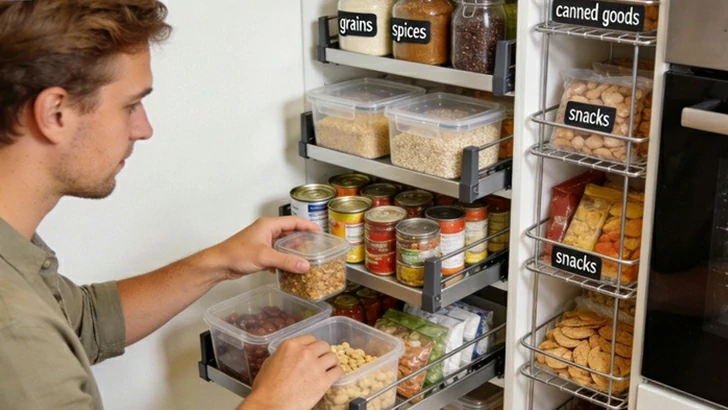
A disorganized pantry can be a daily source of frustration, wasting time, money, and valuable kitchen space. Food gets lost, expires, and duplicate purchases become the norm. Transforming this chaotic zone into a streamlined, functional, and even beautiful part of your home is entirely possible with some clever planning and creative solutions. This guide explores a variety of pantry cabinet organization hacks, moving beyond basic shelving to implement systems that are not only practical but sustainable and aesthetically pleasing. By adopting these strategies, you can create a pantry that simplifies meal prep, reduces waste, and brings a sense of calm to your kitchen routine.
1. The Foundation: Audit and Zoning
Before purchasing a single container, the most critical step is to understand what you have and how you use your space. A successful organization system is built on a solid foundation of assessment and strategic planning.
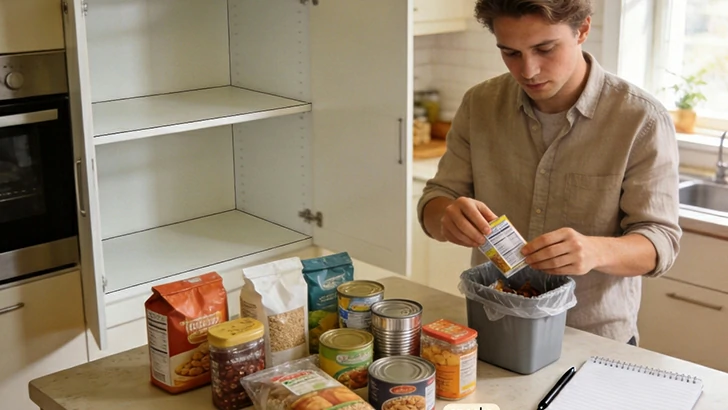
1. The Complete Empty and Audit
Remove every single item from your pantry. As you do this, check expiration dates and discard anything stale, expired, or that you know you won't use. Group remaining items into broad categories on your counter or kitchen table (e.g., baking supplies, canned goods, snacks, pasta/grains, breakfast items). This process is eye-opening and helps you see duplicates and identify your true inventory.
2. Establish Functional Zones
Based on your categorized items, design zones within your pantry. Common zones include: a breakfast station (cereals, oats, coffee, tea), a baking center (flours, sugars, extracts), a snack zone (easy for kids to access), a dinner prep area (pastas, rice, canned tomatoes, oils). Place the most frequently used items at eye level and in easily accessible spots. Heavier items should be on lower shelves.
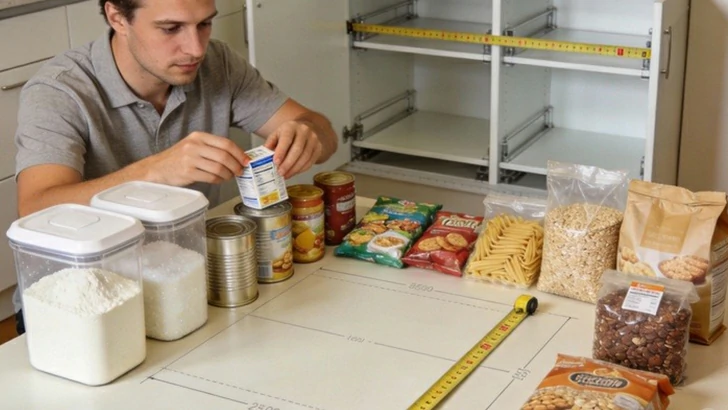
3. Measure Your Space Precisely
With the pantry empty, take detailed measurements of the shelf heights, depths, and widths. Note any awkward corners or unusable spaces. These measurements are non-negotiable when selecting containers, risers, or other organizers to ensure a perfect fit.
Advertisements
2. The Power of Uniform Containers and Labeling
This is arguably the most transformative hack for a visually cohesive and functional pantry. Swapping out mismatched packaging for uniform containers reduces visual clutter and makes it easy to see when supplies are running low.
1. Selecting the Right Containers
Choose clear, airtight containers made from materials like glass or BPA-free plastic. Square or rectangular containers maximize shelf space more efficiently than round ones. Consider a modular system where different sizes stack neatly together. For dry goods like flour, sugar, pasta, and cereals, these containers are essential for keeping food fresh and pest-free.
2. Implementing a Foolproof Labeling System
Every container must be labeled. Use a consistent labeling method such as a dedicated label maker, chalkboard labels, or waterproof vinyl labels. Include the contents and the expiration date or the date you transferred the item. For frequently used items like "All-Purpose Flour"or "Granulated Sugar," consider pre-printed labels for a ultra-polished look.
3. Handling Odd-Shaped Items
Not everything fits in a standard bin. Use larger, handled bins for bags of chips or boxed snacks. Small, shallow containers are perfect for seasoning packets, tea bags, or sauce mixes. The goal is to contain loose items and group like-with-like, even if the containers aren't identical.
3. Vertical Space and Shelf Maximization
Pantries often waste the valuable air space above and between items. By thinking vertically, you can dramatically increase your storage capacity without expanding your footprint.
1. Shelf Risers and Tiered Stands
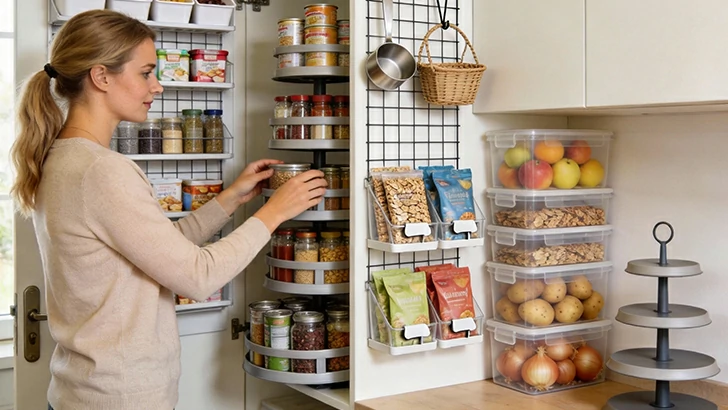
Shelf risers, like those used in bathrooms or for plates, create a second level on a shelf. They are perfect for housing cans, spice jars, or small condiments behind other items, making everything visible at a glance. Tiered stands work on a similar principle for countertops or shelves.
2. Door and Wall Utilization
The inside of the pantry door is prime real estate. Install an over-the-door organizer with shallow bins for spices, drink mixes, or small snacks. Alternatively, use adhesive hooks or a wire grid system to hang measuring cups, small baskets for packets, or even lightweight pots and pans if space is tight.
3. Stacking and Modular Bins
Use stackable bins or baskets for items that don't require airtight sealing, such as granola bars, fruit pouches, or potatoes and onions. Look for bins with a slight lip so they securely stack without toppling. Modular systems that fit together like puzzle pieces are excellent for corner shelves.
Advertisements
Advertisements
You May Have Missed
Put an onion under your feet while you sleep and see what happens

The 10 riskiest dog breeds to keep at home