
4. Effective Usage Throughout Your Home
Advertisements
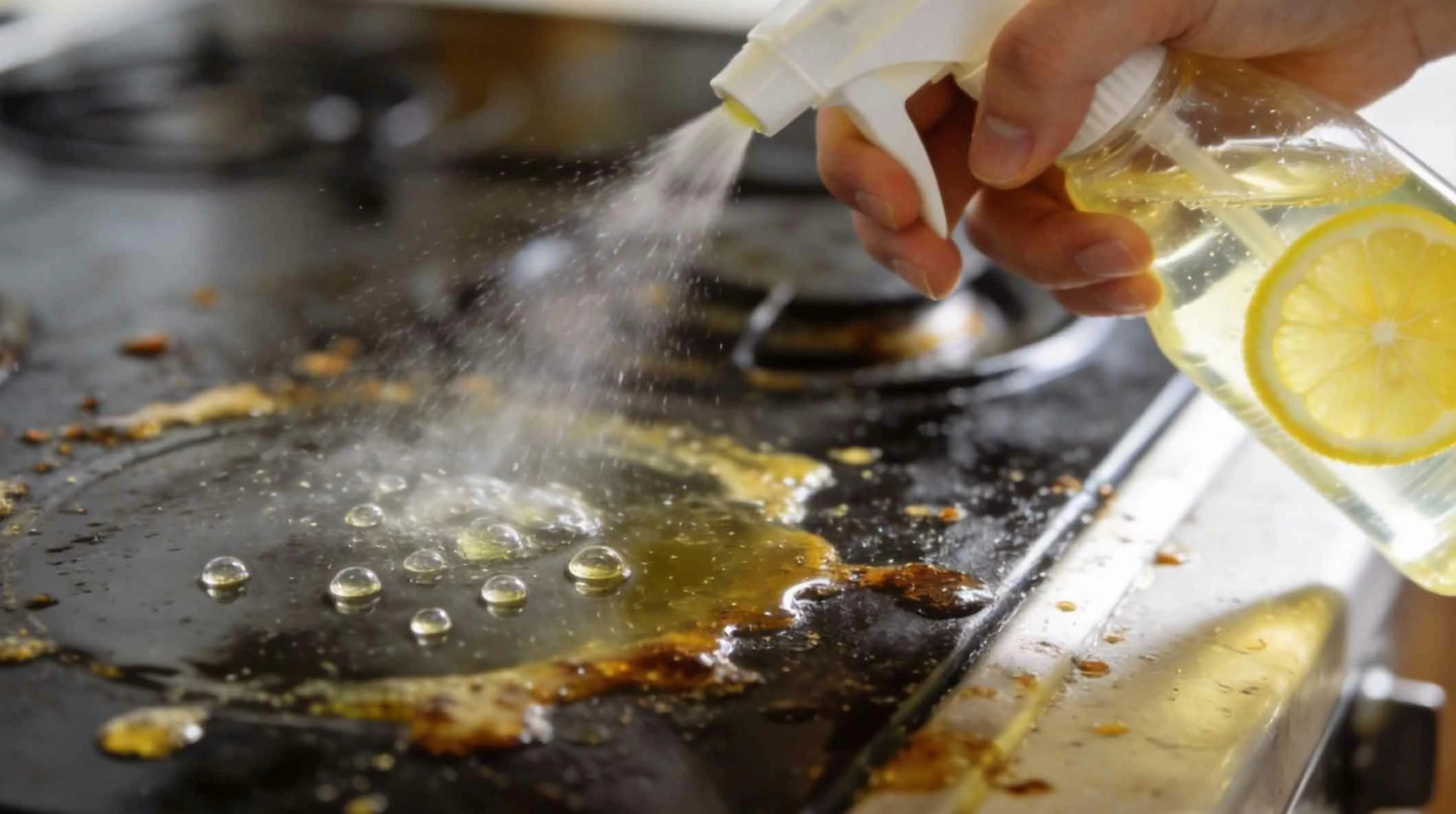
This versatile spray can be used on numerous surfaces, but a few precautions are necessary. Always test on a small, inconspicuous area first.
1. Kitchen Surfaces
It excels at cutting through kitchen grease. Spray on stovetops, countertops (except natural stone like granite or marble), backsplashes, and exterior cabinets. Wipe clean with a damp cloth. It's excellent for wiping down the inside of microwaves or cleaning refrigerator shelves.
2. Bathroom Fixtures
Use it to tackle soap scum on shower walls, tubs, and faucets. Spray generously, let sit for 5-10 minutes to allow the acid to break down the scum, then scrub with a non-abrasive brush and rinse. It will also make chrome and stainless steel fixtures shine.
3. Windows and Glass
When diluted, it makes an effective, streak-free glass cleaner. Spray on windows, mirrors, and glass tabletops, then wipe dry with a microfiber cloth or crumpled newspaper for a pristine finish.
4. Floors and Walls
Add about 1/2 cup of the infused vinegar to a bucket of warm water to mop vinyl, laminate, or tile floors (avoid waxed or unfinished wood). It can also be used to spot-clean painted walls and baseboards.
5. Important Safety and Care Instructions
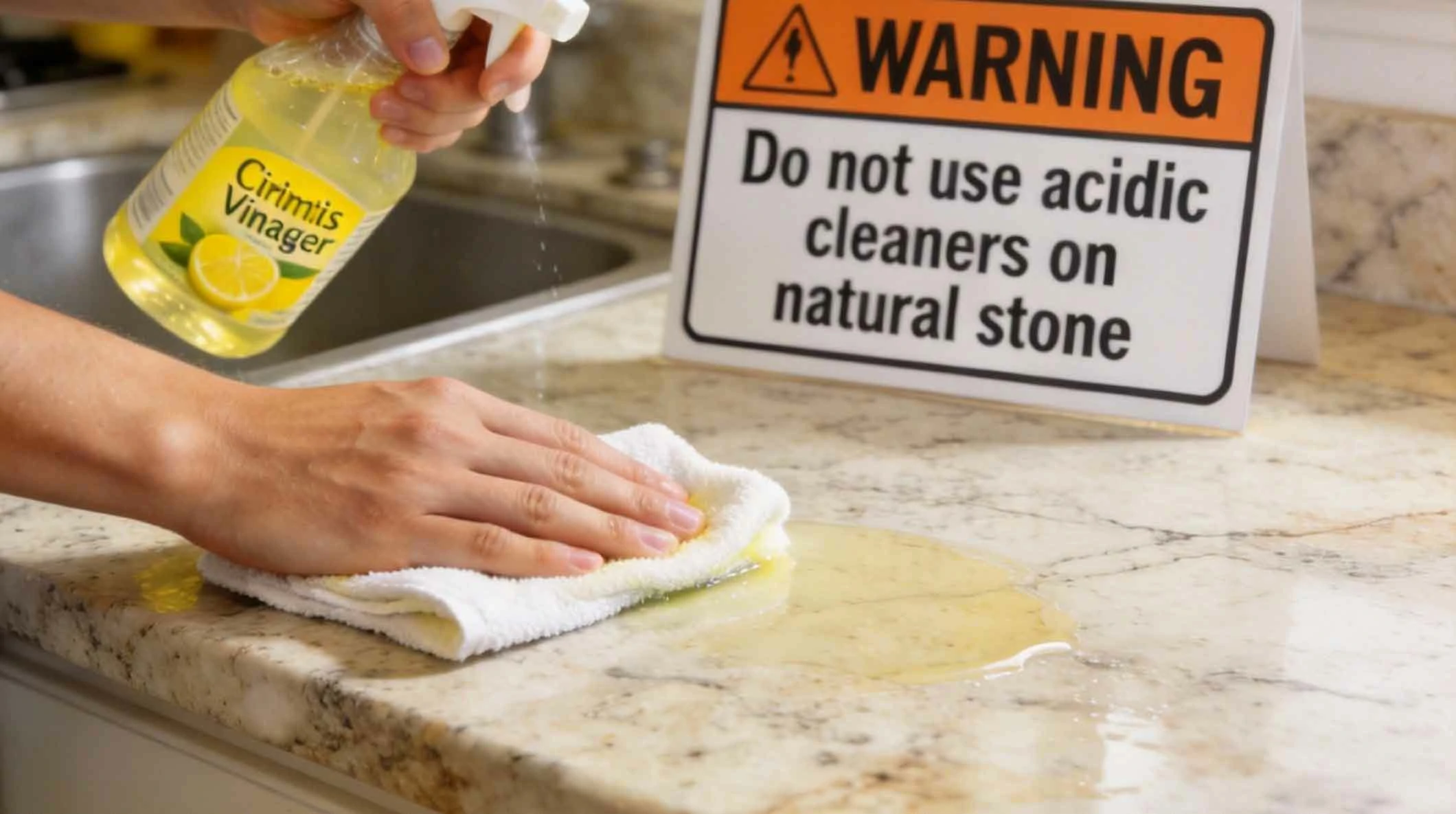
While natural, this cleaner is still acidic and requires mindful use to protect your home and yourself.
1. Avoid Sensitive Surfaces
Do not use on natural stone surfaces (marble, granite, limestone), as the acid can etch and damage them. Avoid using it on raw, unsealed wood, brass, or cast iron, as it can strip finishes or cause rust.
2. Never Mix with Bleach
This is a critical safety rule. Never mix vinegar, or any acidic cleaner, with bleach or products containing bleach. The combination creates toxic chlorine gas.
3. Ventilation and Storage
Use in a well-ventilated area. Store the spray bottle out of direct sunlight and away from heat sources. Keep out of reach of children and pets, and clearly label the bottle to avoid accidental ingestion.
Advertisements
6. Troubleshooting and Pro Tips
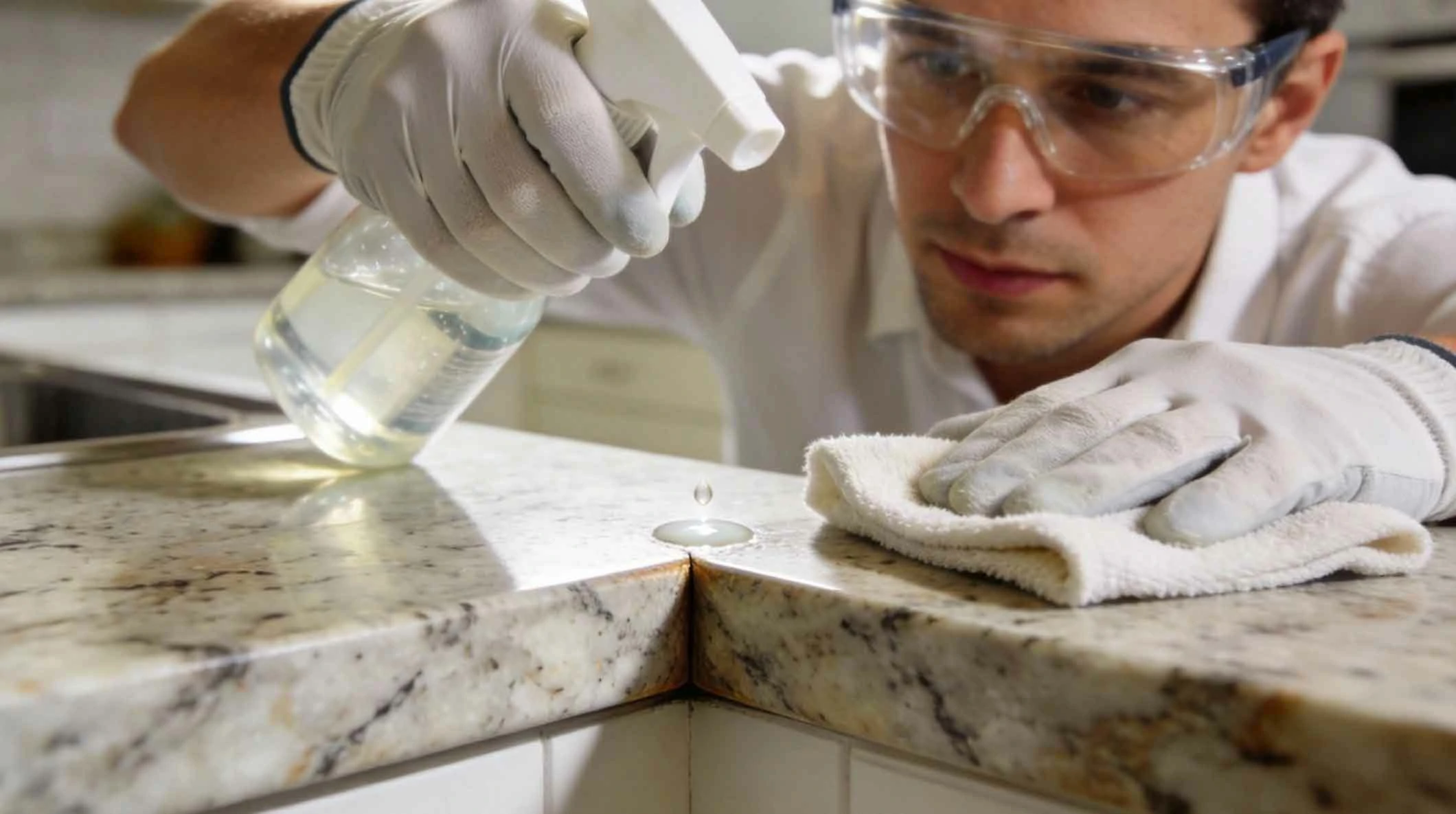
Enhance your DIY cleaning experience with these helpful insights for perfecting your spray.
1. Managing the Vinegar Scent
If a faint vinegar smell remains after cleaning, it will dissipate completely within minutes as the surface dries, leaving only the fresh citrus aroma. Opening a window can speed this process.
2. Boosting Cleaning Power
For extra-tough grime, use the infused vinegar full-strength without dilution. Let it sit on the surface for 10-15 minutes before scrubbing. Adding a tablespoon of baking soda to create a fizzing reaction can help with clogged drains (pour vinegar down first, then baking soda).
3. Continuous Brew Method
To have a constant supply, try a "continuous brew." Keep your steeping jar in the cupboard and simply add fresh citrus peels and top up with vinegar as you generate them. Strain and refresh the entire batch every few months.
7. Environmental and Economic Benefits
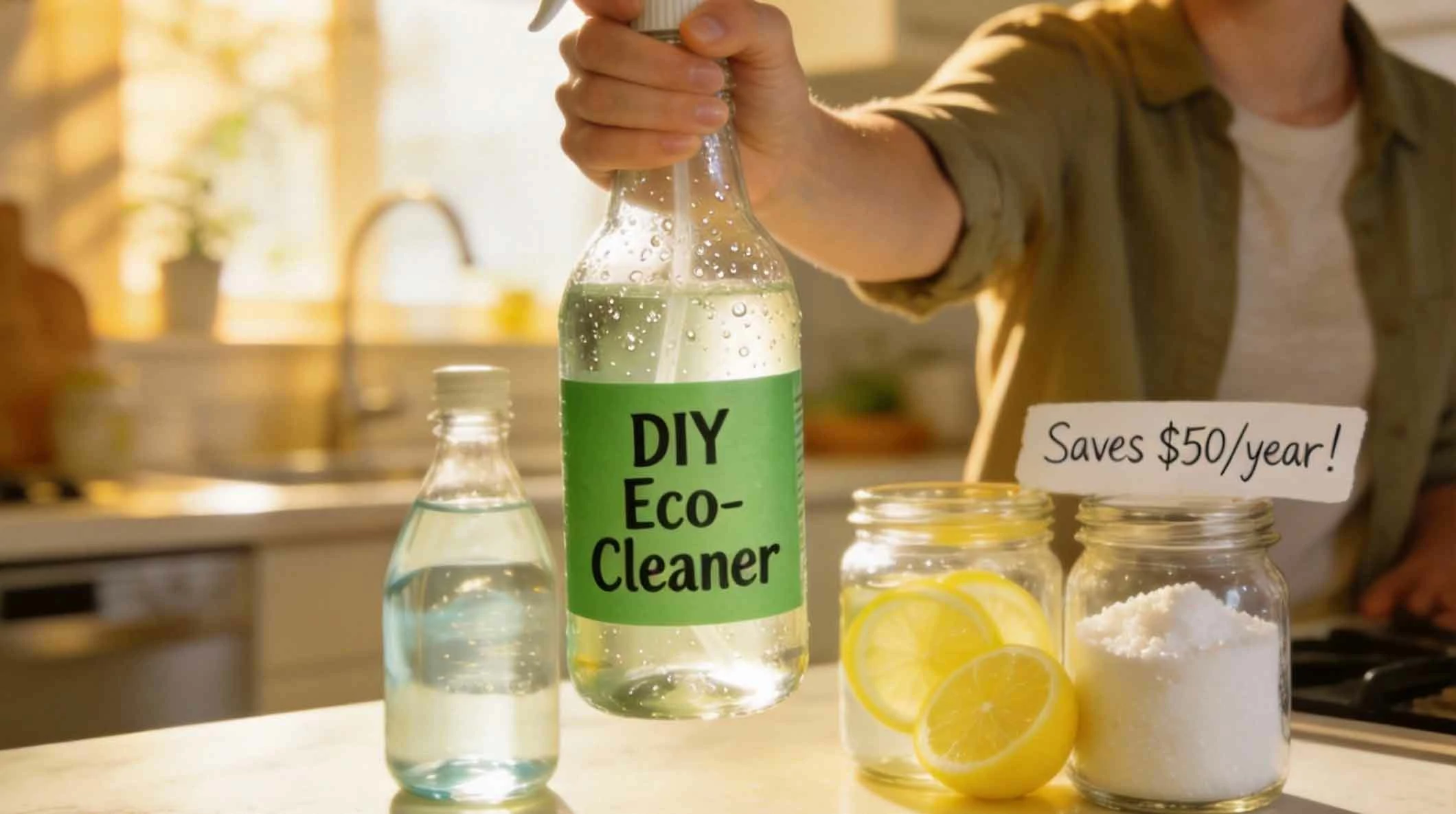
Choosing this DIY path has positive impacts that extend beyond a clean countertop.
1. Reduction in Plastic Waste
By reusing glass jars and a refillable spray bottle, you eliminate the need for repeatedly purchasing plastic bottles of commercial cleaners, significantly reducing single-use plastic waste.
2. Non-Toxic and Biodegradable
The solution is made from ingredients that are safe for septic systems and waterways. It breaks down naturally, unlike many synthetic chemicals found in conventional cleaners that can persist in the environment.
3. Extreme Cost-Effectiveness
A gallon of vinegar and leftover citrus peels can produce a vast quantity of effective cleaner for just a few dollars, a fraction of the cost of store-bought specialty products.
Advertisements
Advertisements
You May Have Missed

The truth behind grandma's fall

30+ Stunning And Successful Redheads Of Hollywood