
DIY Natural Wood Furniture Polish
Advertisements
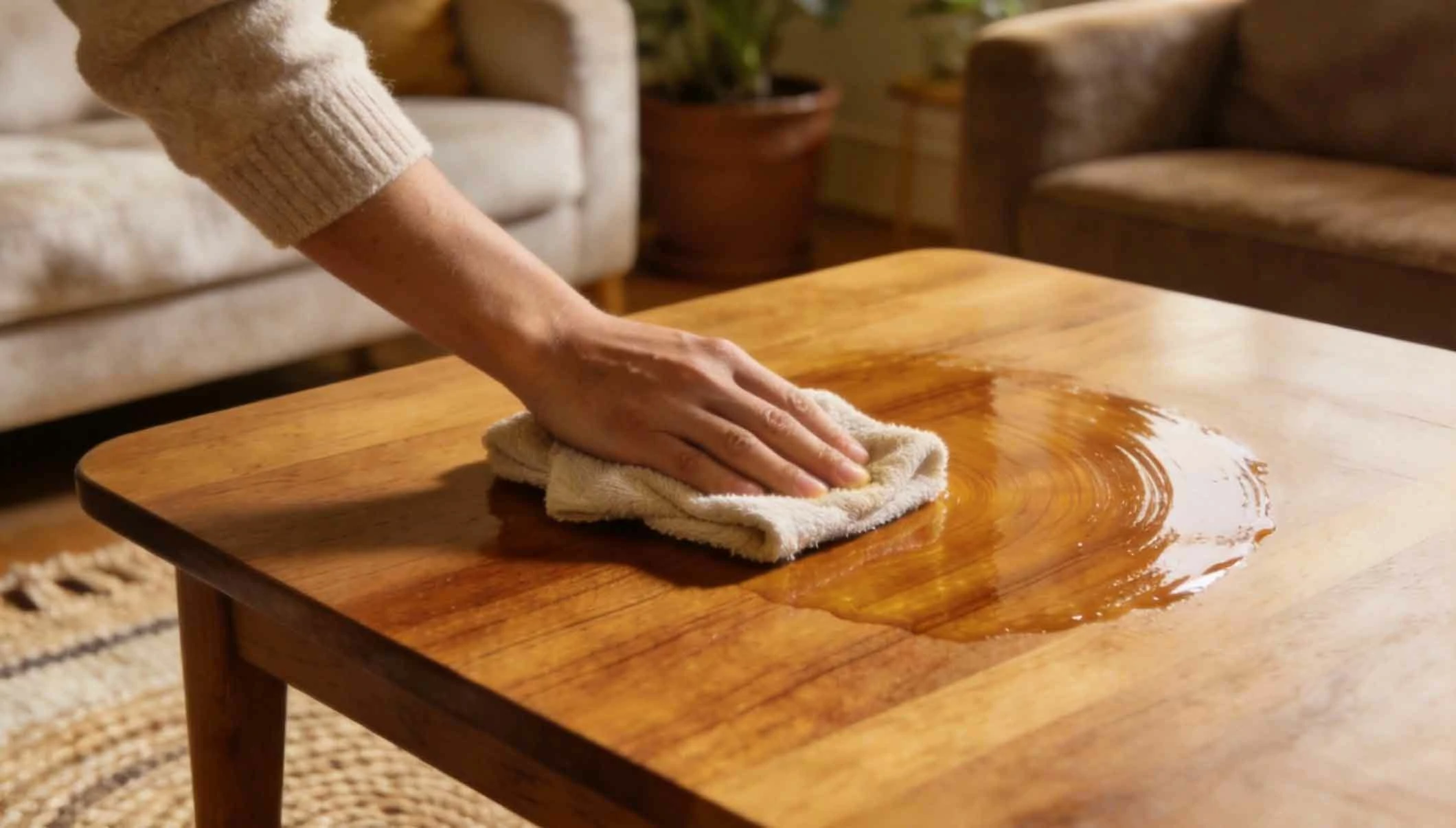
In an era where we are increasingly conscious of the products we bring into our homes, turning to DIY solutions for household care is both rewarding and practical. Commercial furniture polishes often contain silicones, synthetic fragrances, and petroleum distillates that can create a temporary shine but may actually damage wood over time by clogging its pores or building up a waxy residue. A DIY natural wood furniture polish, on the other hand, nourishes the wood from within, enhances its natural grain, and is safe for your family, your pets, and the environment. This comprehensive guide will walk you through the why and how of creating your own effective, beautiful, and entirely natural wood polish.
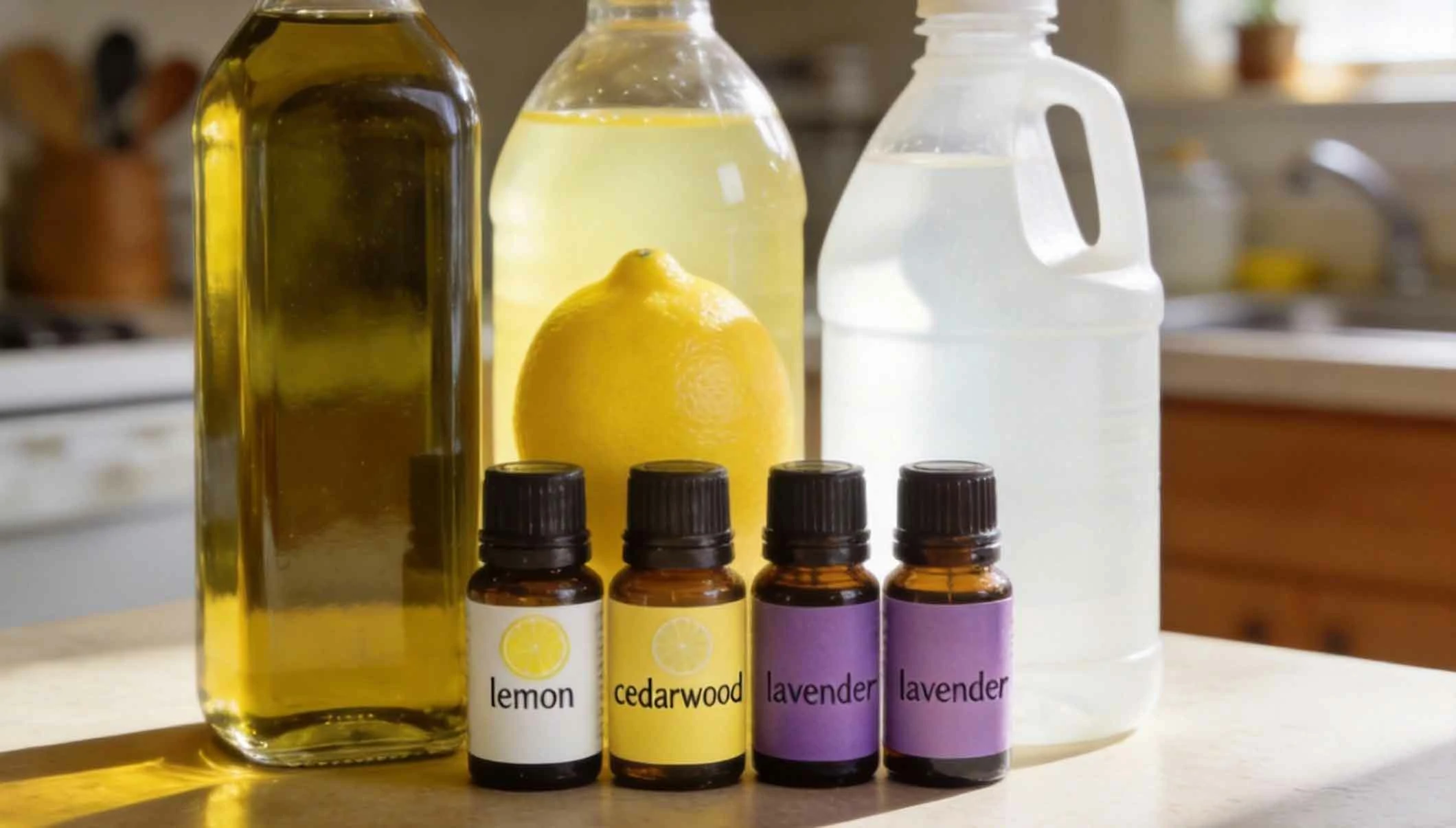
🔧 The Core Ingredients and Their Roles
Every effective natural polish is built on a simple foundation of oils, acids, and aromatics. Understanding the role of each component allows you to customize your blend perfectly.
1. The Carrier Oil: Nourishment and Protection
This is the base of your polish, responsible for moisturizing dry wood and providing a protective layer. Different oils offer unique benefits.
2. The Acid: Cleaning and Cutting Grease
A mild acid is crucial for cutting through old polish, grime, and sticky residues without harming the wood's finish.
3. The Essential Oil: Scent and Additional Properties
Pure essential oils add a pleasant, natural fragrance and can offer mild antibacterial or insect-repelling qualities.
Advertisements
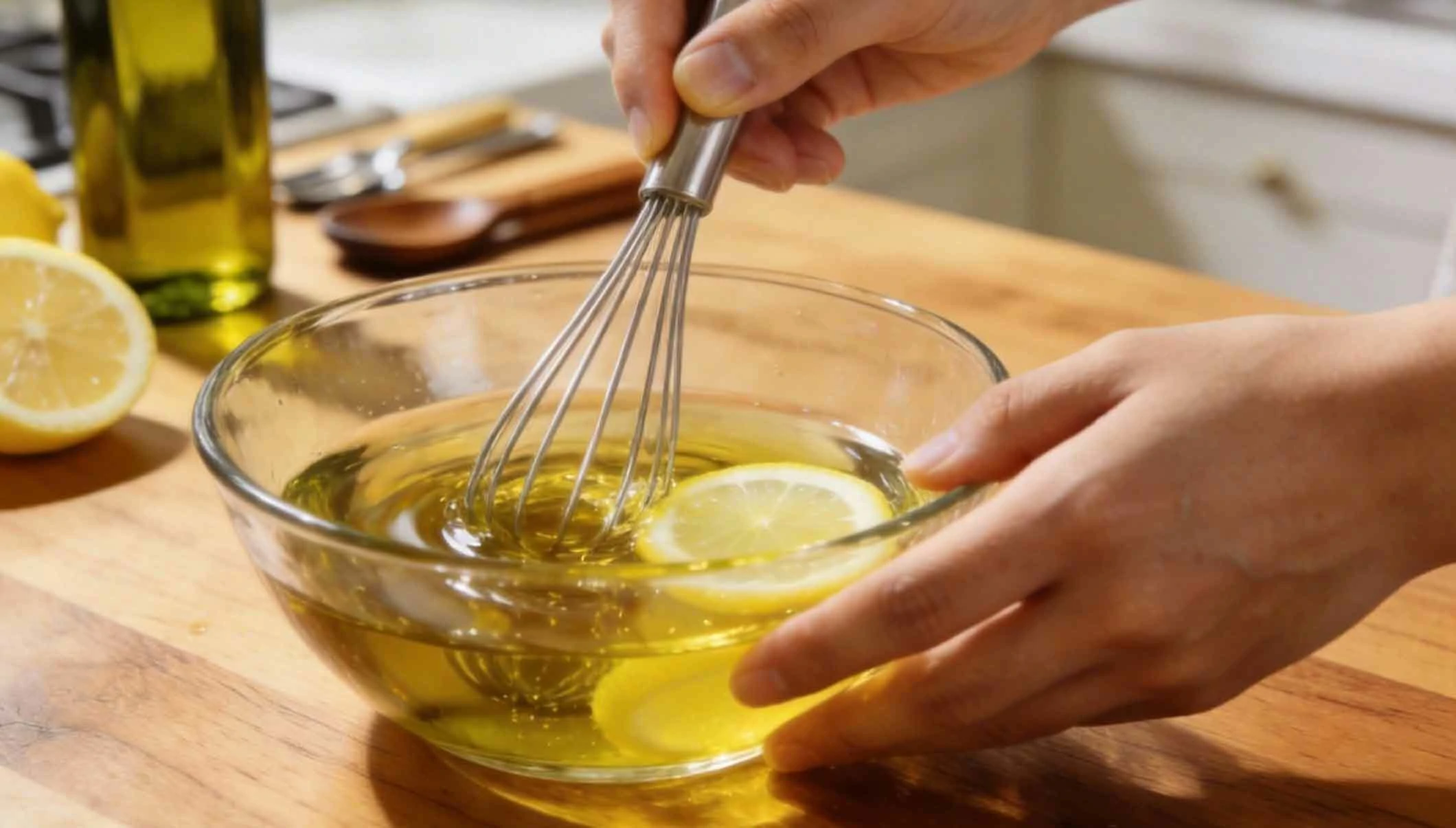
🥣 Basic All-Purpose Lemon Olive Oil Polish
This is the quintessential beginner's recipe—simple, effective, and made with ingredients you likely already have in your kitchen. It's perfect for most finished wood surfaces, from tables to bookshelves.
1. Ingredients You Will Need
• 3/4 cup of extra virgin olive oil• 1/4 cup of freshly squeezed lemon juice or white vinegar• 20 drops of lemon essential oil (optional, for enhanced scent)
2. Step-by-Step Mixing Instructions
1. In a medium-sized glass bowl, combine the olive oil and lemon juice.2. Whisk vigorously for 1-2 minutes until the mixture is fully emulsified and slightly creamy.3. Add the lemon essential oil, if using, and whisk again to incorporate.4. Immediately transfer the polish to a clean, glass jar with a tight-fitting lid. Label it with the date.
3. Important Application Notes
Always shake the jar vigorously before each use, as the oil and acid will separate. Test the polish on a small, inconspicuous area first to check for any adverse reactions with the finish.
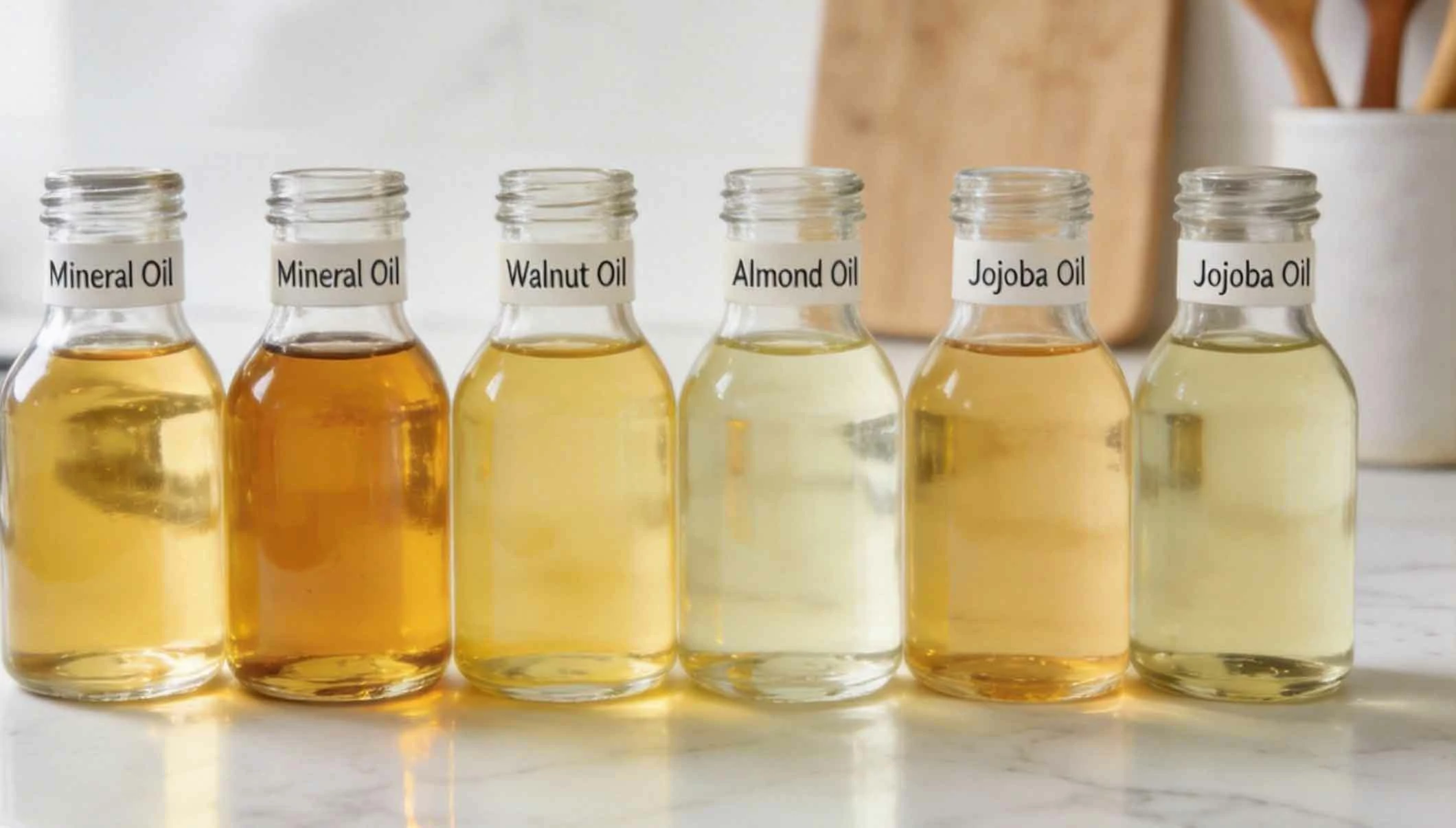
🛢️ Advanced Oil Variations for Specific Needs
While olive oil works wonderfully, experimenting with different carrier oils can tailor your polish to specific wood types or desired results.
1. For a Harder, Drier Finish: Mineral Oil
Food-grade mineral oil is odorless, colorless, and non-drying. It's an excellent choice for cutting boards, butcher blocks, and wooden utensils, as it creates a water-resistant barrier without going rancid.
2. For Deep Nourishment on Dry Wood: Walnut or Almond Oil
These nut oils penetrate deeply and are rich in nutrients that revitalize parched, antique, or unfinished wood.Caution: Do not use nut oils if anyone in your household has a nut allergy.
3. For a Quick-Drying Shine: Jojoba Oil
Jojoba oil is technically a liquid wax ester that closely resembles the natural oils in wood. It absorbs quickly, doesn't leave a greasy feel, and is highly stable with a long shelf life.
Advertisements
Advertisements
You May Have Missed

Man gives hitchhiker a lift home—and is shocked by the news the next day

The husband abandoned his sick wife for his mistress.