
Essential Pool Maintenance Guide
Advertisements

Owning a swimming pool is a source of immense enjoyment and relaxation, but it also comes with the responsibility of regular upkeep. Consistent and proper maintenance is the key to ensuring your pool remains a safe, clean, and inviting oasis throughout the swimming season. Neglecting maintenance can quickly lead to cloudy water, algae growth, damaged equipment, and costly repairs. This comprehensive guide breaks down the essential tasks into manageable categories, providing a clear roadmap for both new and experienced pool owners. By understanding and implementing these core principles, you can spend less time worrying about your pool and more time enjoying it.
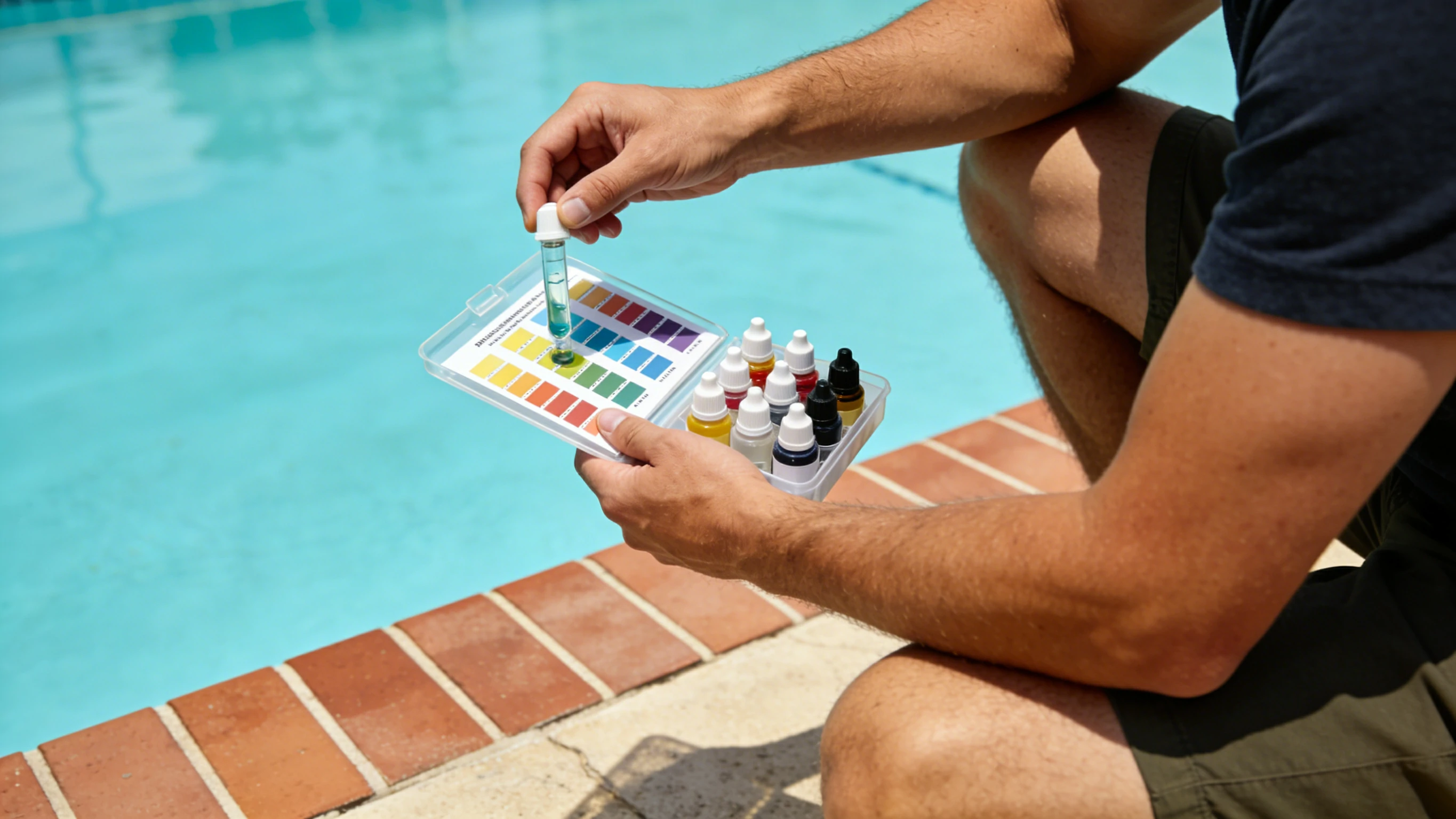
1. Mastering Pool Water Chemistry
The foundation of a healthy pool is balanced water chemistry. Imbalanced water can be uncomfortable for swimmers, corrosive to equipment, and ineffective at sanitizing. Regular testing and adjustment are non-negotiable.
1.1. Regular Testing is Crucial
Test your pool water at least twice per week during peak season, and once a week during milder weather. Use a reliable test kit or test strips. The core parameters to monitor are: Free Chlorine, pH, Total Alkalinity, and Calcium Hardness. Cyanuric Acid (stabilizer) levels should also be checked periodically.
1.2. The Pillars of Balance: pH, Alkalinity, and Hardness
These three factors are interconnected. Total Alkalinity (TA) acts as a buffer for your pH; aim for 80-120 ppm. Correct TA first, as it makes pH easier to manage. pH measures how acidic or basic your water is; the ideal range is 7.4 to 7.6. Low pH corrodes equipment and irritates eyes, while high pH causes scaling and reduces sanitizer effectiveness. Calcium Hardness prevents water from becoming corrosive or scaling; maintain between 200-400 ppm for plaster pools and 175-225 ppm for vinyl liner pools.
1.3. Sanitization: Keeping Germs at Bay
Sanitizers, primarily chlorine or bromine, destroy harmful bacteria and contaminants. Maintain Free Chlorine between 1-3 ppm. Shock treatment (super-chlorination) is necessary weekly or after heavy use to destroy combined chloramines, which cause odor and eye irritation. Ensure your Cyanuric Acid (stabilizer) level is between 30-50 ppm to protect chlorine from rapid sun degradation.
Advertisements
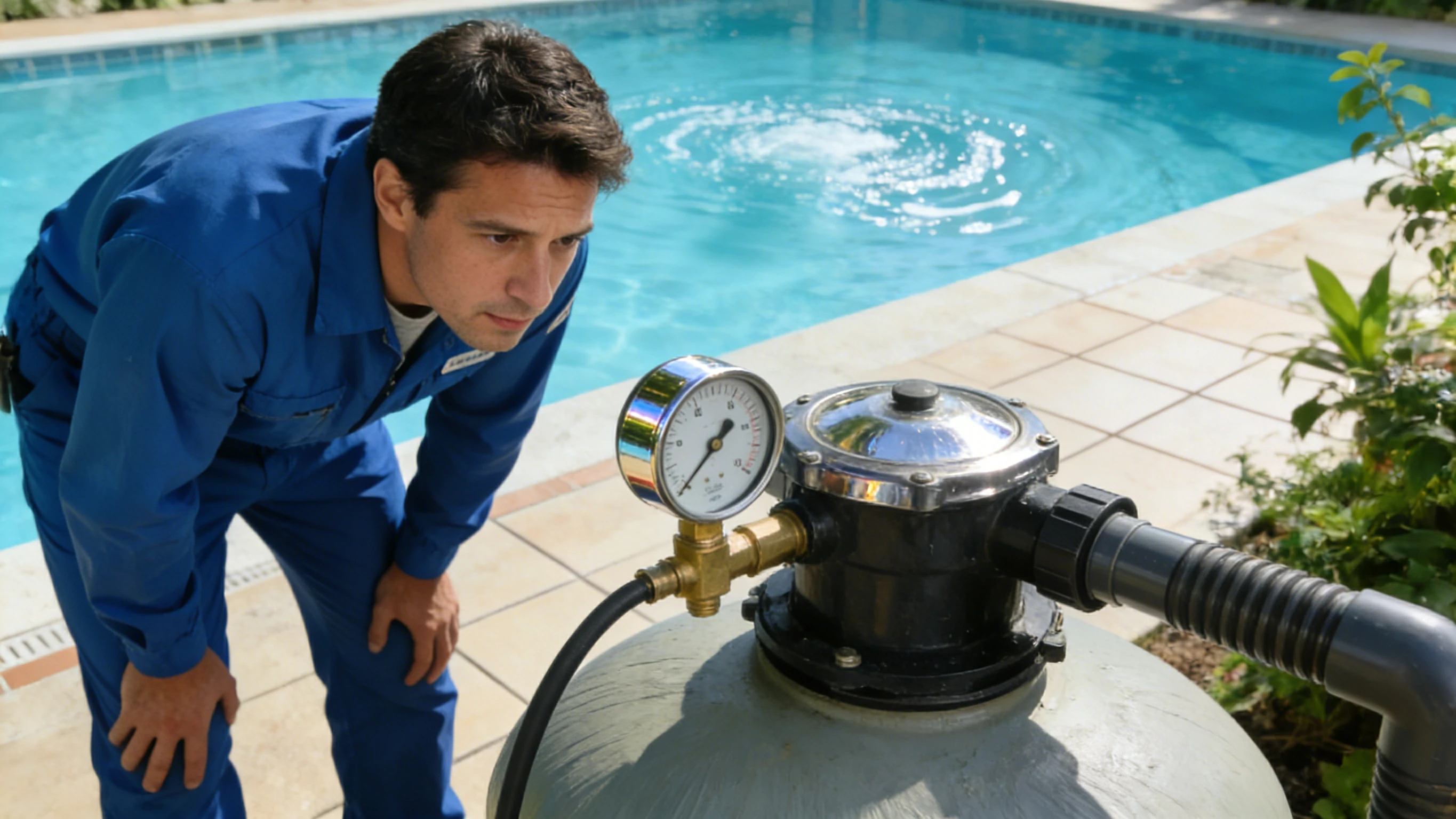
2. Circulation and Filtration System Maintenance
Your pool's pump and filter are its heart and kidneys, working to move and clean the water. A properly functioning circulation system is essential for distributing chemicals and capturing debris.
2.1. Pump Operation and Priming
Run your pool pump for a sufficient duration each day to circulate the entire volume of water at least once—typically 8-12 hours in summer. Ensure the pump basket is clean and free of debris to maintain optimal flow. Know how to prime your pump if it loses prime, as running dry can damage the seals.
2.2. Filter Care: Backwashing, Cleaning, and Replacement
The filter type (Sand, Cartridge, or Diatomaceous Earth) dictates its care. Sand filters require backwashing when the pressure gauge rises 8-10 psi above the clean, start-up pressure. Cartridge filters need to be removed and hosed off every few weeks and soaked in a filter cleaner a few times per season. DE filters require backwashing and adding fresh DE powder. All filters need periodic deep cleaning and eventual media replacement.
2.3. Monitoring Pressure and Flow
The pressure gauge on your filter is a vital diagnostic tool. Note the "clean pressure" after a fresh backwash or cleaning. A steady rise in pressure indicates the filter is doing its job trapping debris. A very low pressure reading or poor water flow at the returns can signal a clogged pump basket, a blockage in the line, or an issue with the pump impeller.
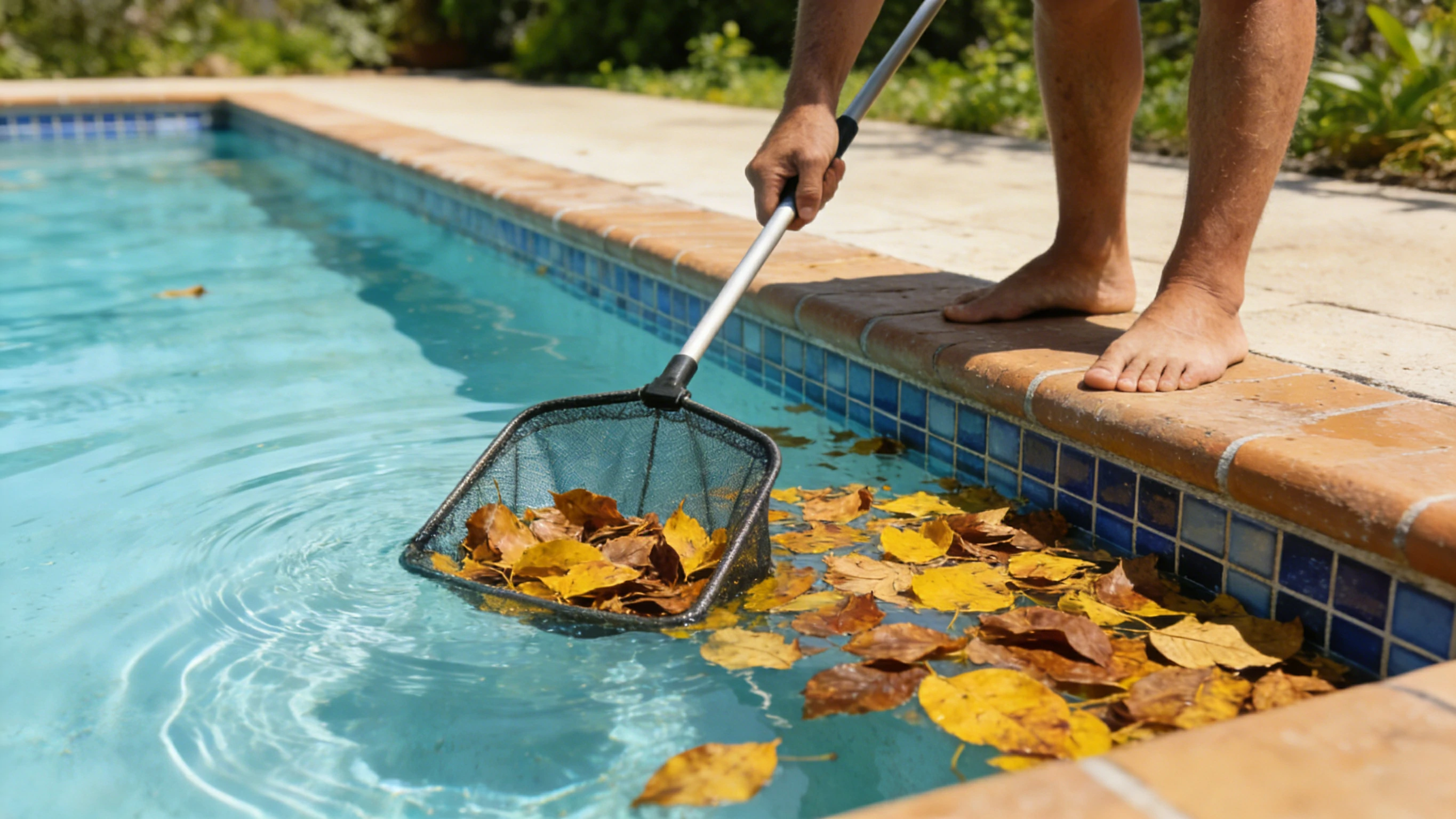
3. Routine Cleaning and Debris Removal
Even with perfect chemistry and circulation, physical debris will enter your pool. A consistent cleaning schedule prevents this debris from breaking down and affecting water quality.
3.1. Skimming, Brushing, and Vacuuming
Skim the surface daily with a leaf net to remove leaves, insects, and other floating debris. Brush the pool walls, steps, and floor at least once a week to prevent algae spores from taking hold and to loosen dirt. Vacuum the pool weekly, either manually or with an automatic pool cleaner, to remove settled debris the filter cannot catch.
3.2. Tile and Waterline Cleaning
Scum and scale build up at the waterline. Use a dedicated tile brush and a tile cleaner or a diluted solution of water and muriatic acid (with proper safety gear) to scrub this area every week or two. This prevents permanent staining and keeps the pool looking pristine.
3.3. Managing Debris at the Source
Use a pool cover when the pool is not in use for extended periods to drastically reduce debris, chemical loss, and water evaporation. Keep the surrounding deck clean and trim back overhanging trees to minimize what can fall into the water.
Advertisements
Advertisements
You May Have Missed

Husband divorces wife after she gives birth to black child, her secret revealed 10 years later

Funny wedding photos make people feel sorry for the bride and groom