
4. Seasonal Maintenance and Winterization
Advertisements
Pool care changes with the seasons. A proactive approach to opening and closing your pool prevents problems and makes each season's start-up smoother.
4.1. Spring Opening Procedures
Remove and clean the cover carefully, pumping off standing water. Reinstall the pump, filter, and other equipment. Fill the pool to the proper level. Perform a thorough system check for leaks, prime the pump, and start the circulation. Test the water, balance the chemistry, and perform a heavy shock treatment. Brush and vacuum the entire pool to remove any residual winter debris.
4.2. In-Season Adjustments
During hot weather, monitor water levels more frequently due to evaporation and top off as needed. You may need to run the pump longer and test/add sanitizer more often due to increased swimmer load and sunlight. Be prepared for increased pollen or dust after storms.
4.3. Fall Winterization (for cold climates)
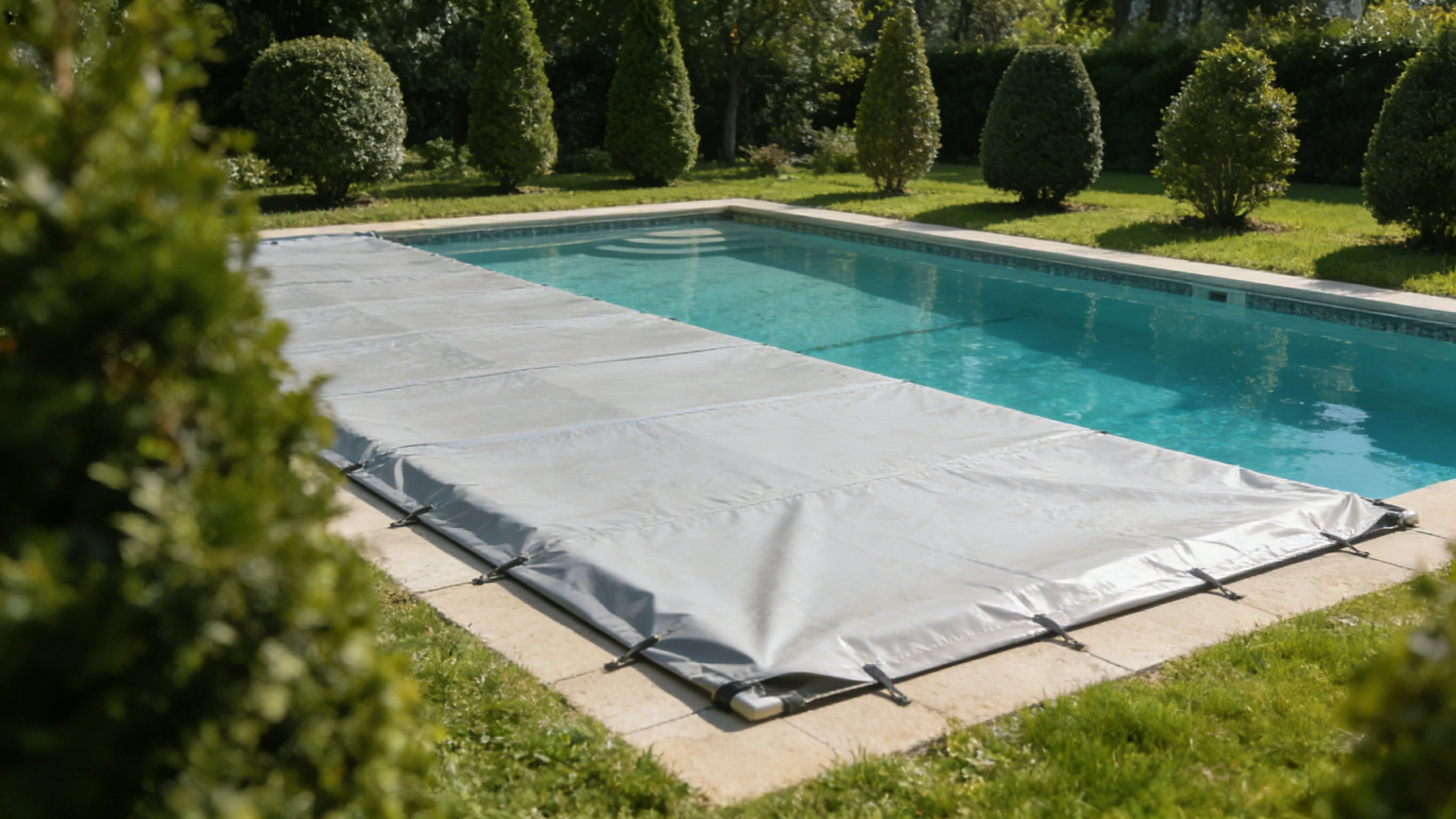
Thoroughly clean and balance the water chemistry. Lower the water level below the skimmer and return lines. Blow out plumbing lines with an air compressor and plug them to prevent freezing damage. Add winterizing algaecide and a floating chlorine dispenser if desired. Install a secure winter cover to keep out debris.
5. Equipment Inspection and Safety
Routine checks of your equipment and safety features ensure longevity and, most importantly, protect the well-being of everyone using the pool.
5.1. Regular Visual Inspections
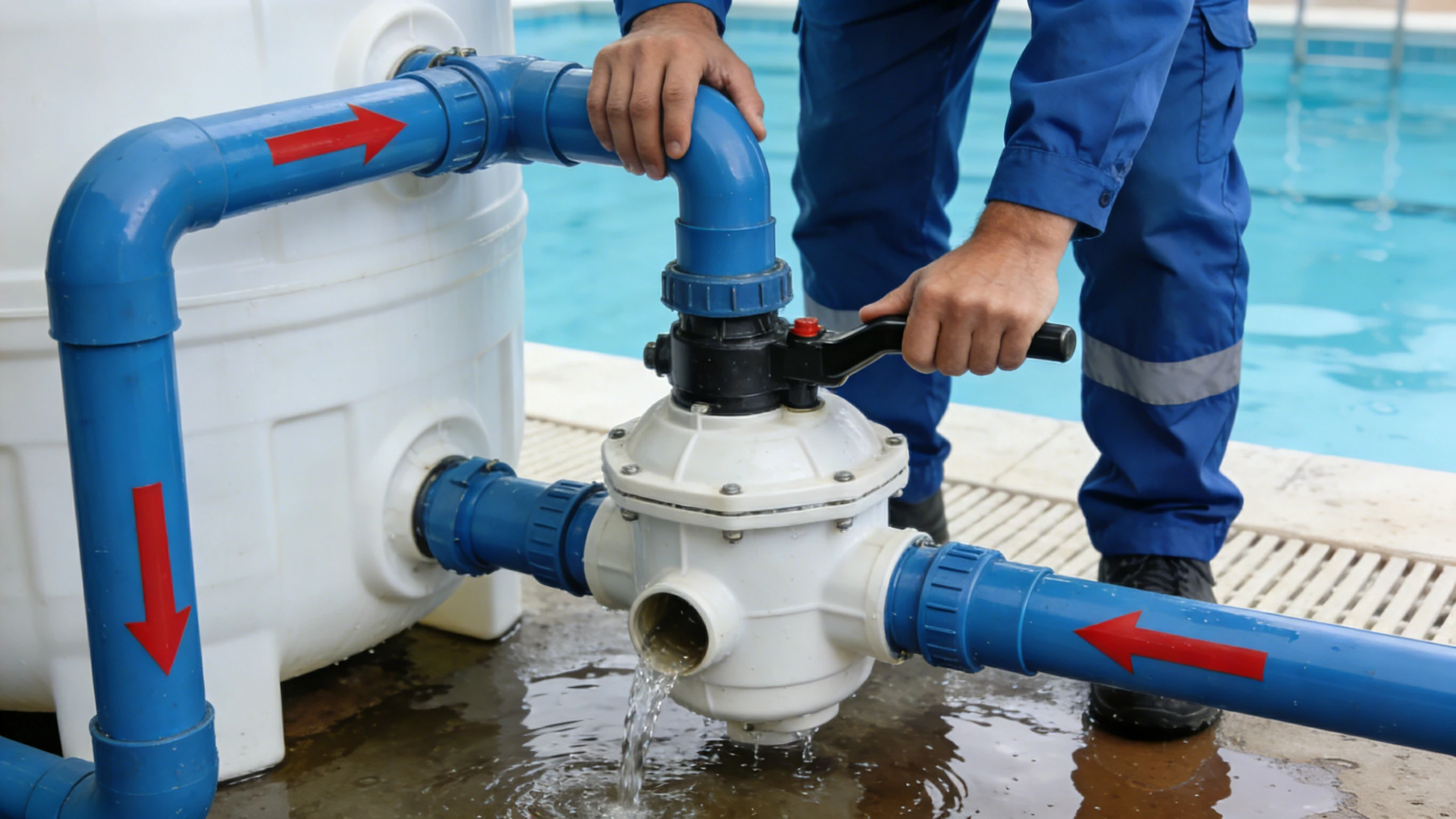
Weekly, inspect the pump and filter for leaks, unusual noises, or vibrations. Check for cracks in the pool shell, tile, or coping. Ensure handrails, ladders, and diving boards (if present) are secure and not corroded. Look for signs of wear on the pool cover or its anchoring system.
5.2. Maintaining Safety Equipment
Ensure life rings, shepherd's crooks, and a first-aid kit are readily accessible and in good condition. If you have an automatic safety cover, test its operation regularly. Keep pool chemicals locked away in a cool, dry, well-ventilated area, clearly labeled and out of reach of children and pets.
5.3. Professional Servicing
Even with diligent DIY care, schedule an annual service with a qualified pool professional. They can perform in-depth equipment checks, identify potential problems you might miss (like small leaks or worn bearings), and ensure complex systems like heaters, salt cells, or automation controls are functioning correctly and safely.
6. Troubleshooting Common Pool Problems
Despite best efforts, issues can arise. Knowing how to identify and correct common problems is part of effective pool ownership.
6.1. Cloudy or Green Water
Green water signals an algae bloom. Shock the pool aggressively, brush all surfaces, ensure proper filtration (run pump 24 hours), and add an algaecide. Cloudy water is often due to poor filtration, imbalanced chemistry (especially low chlorine or high pH), or a need for clarifier or flocculant. Address the root cause, not just the symptom.
6.2. Eye and Skin Irritation
This is frequently caused by improper pH or high levels of Combined Chloramines (chlorine that has bonded with contaminants). Test and adjust pH to 7.4-7.6. Perform a shock treatment to break apart the chloramines. Ensure bathers shower before entering the pool to reduce the introduction of oils and lotions.
6.3. Scale Formation or Staining
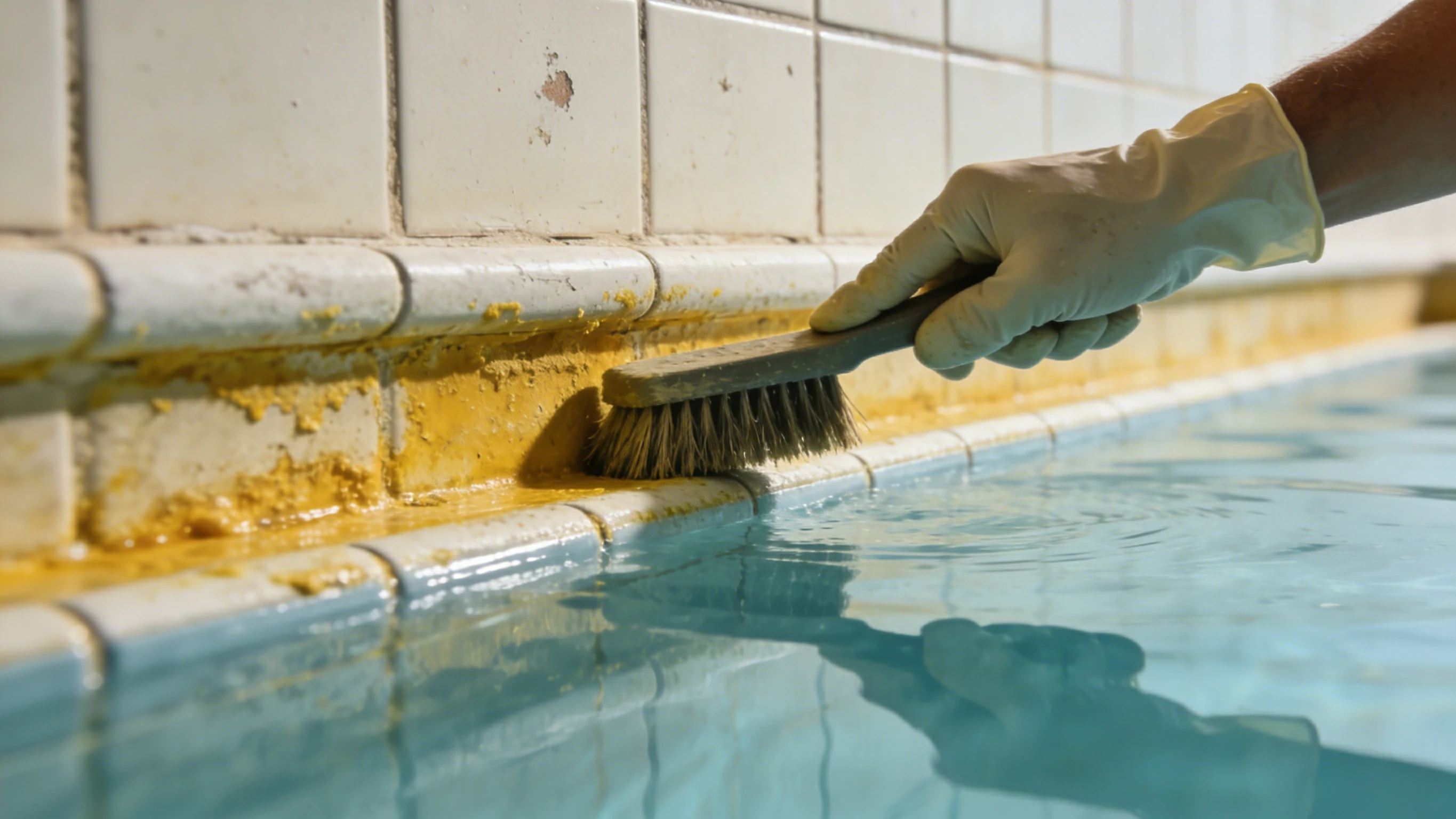
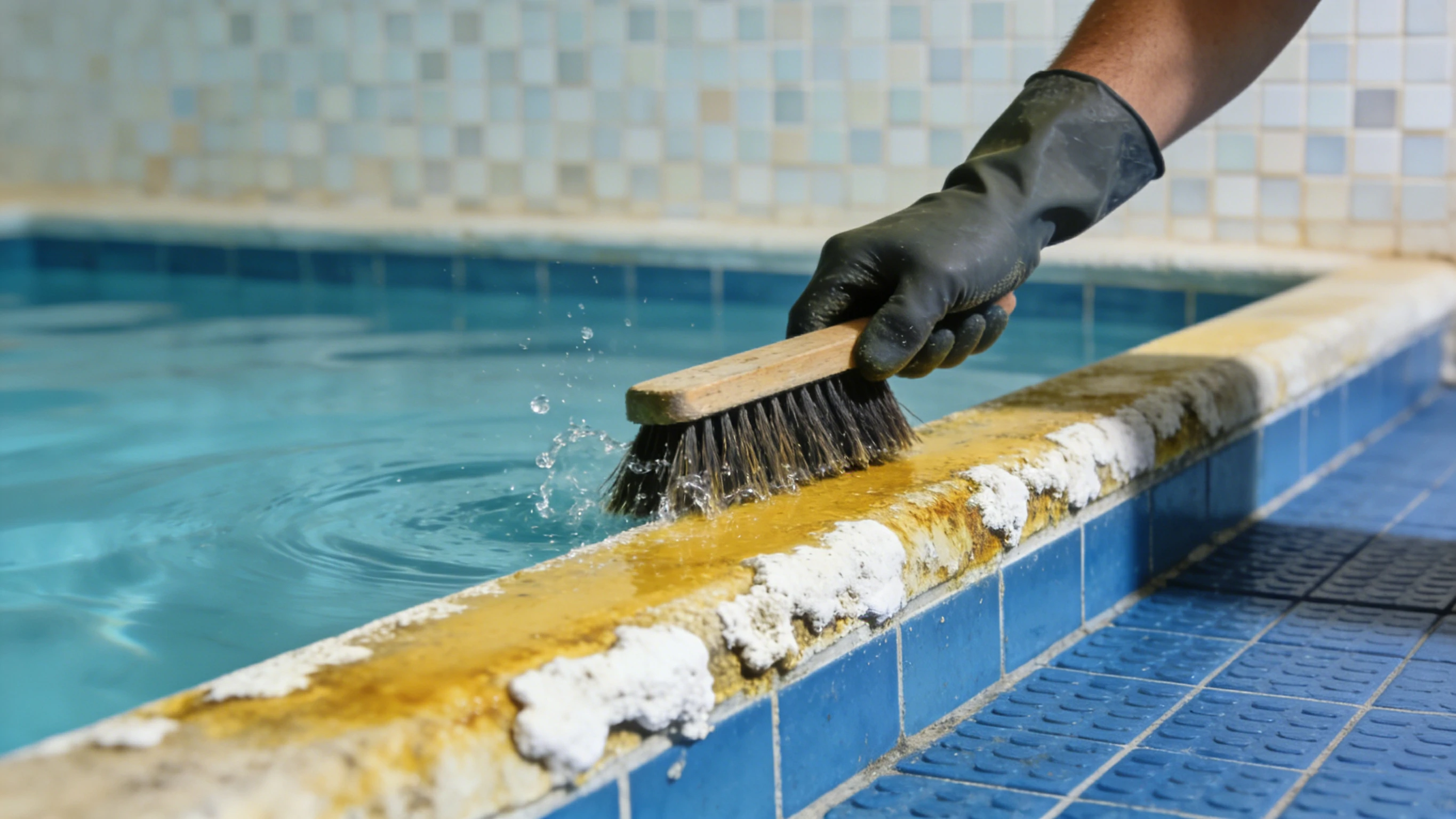
Scale (white, crusty deposits) is caused by high Calcium Hardness and/or high pH. Lower pH and alkalinity, and use a scale inhibitor. For metal stains (brown, green, or blue), identify the metal (iron, copper, manganese) and use a specialized stain remover or sequestering agent. Prevent stains by maintaining balanced water and avoiding metal objects in the pool.
Conclusion
Effective pool maintenance is a systematic blend of science, mechanics, and routine care. By dedicating time each week to testing water chemistry, running and caring for the circulation system, and physically cleaning the pool, you create a preventative maintenance cycle that stops major problems before they start. This guide provides the framework for that cycle. Embrace these essential tasks, stay consistent, and don't hesitate to consult a professional for complex issues or annual check-ups. The reward is a crystal-clear, healthy pool that provides endless summer fun and becomes a centerpiece for family and friends for years to come.
Advertisements
Advertisements
You May Have Missed

Husband divorces wife after she gives birth to black child, her secret revealed 10 years later

This Elegant Country Cottage is Movable! Let’s Find out What’s Inside...