
4. Coffee Grounds: Energizing the Compost and Repelling Pests
Advertisements
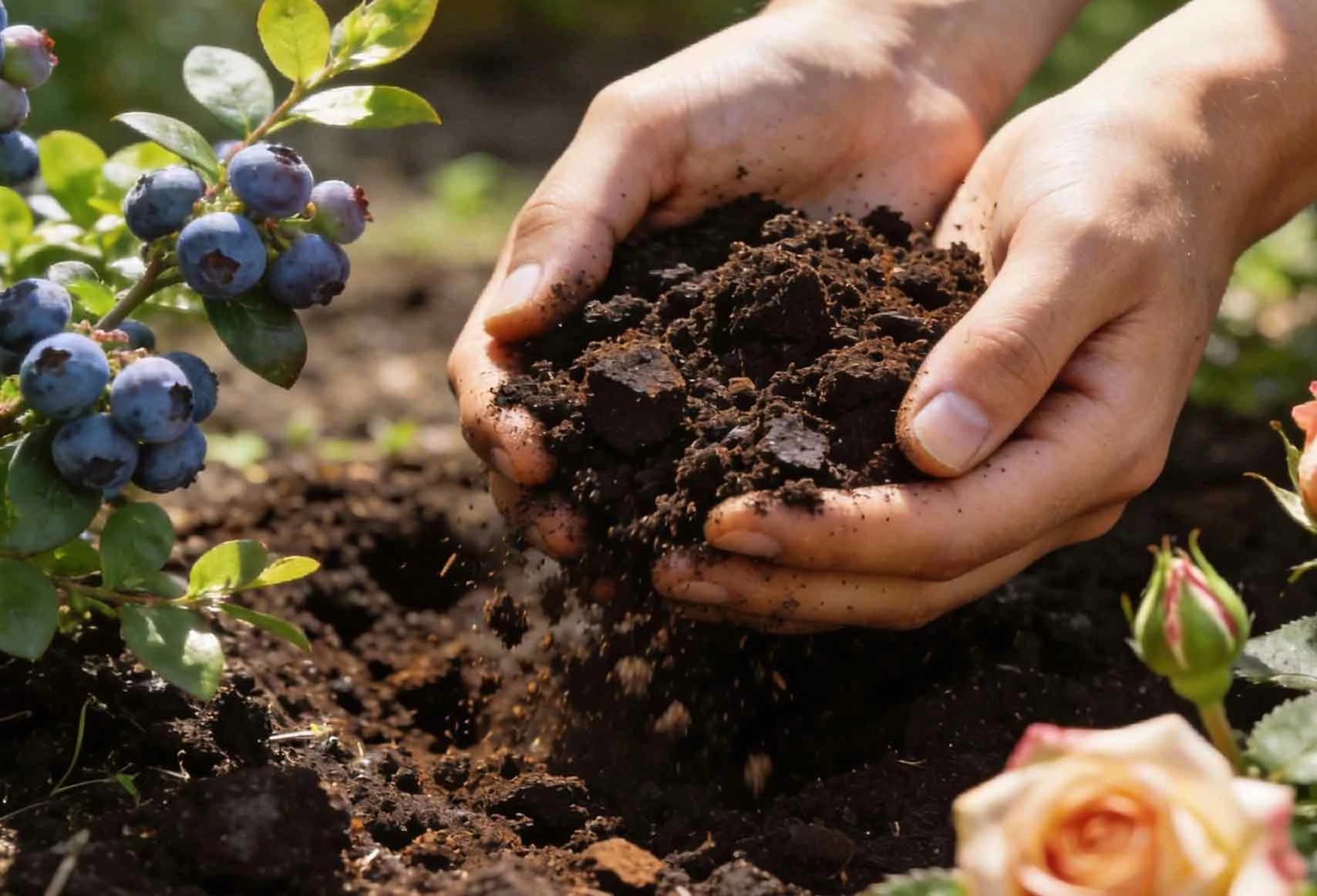
Used coffee grounds are a nitrogen-rich "green" material for your compost and offer several direct benefits in the garden. They have a slightly acidic pH, which can benefit acid-loving plants, and their gritty texture and scent can deter certain pests.
1. 🍃 Compost Activator and ""Green"" Material
Add cooled, used coffee grounds to your compost bin. They are a source of nitrogen, which heats up the compost pile and helps break down "brown" materials like dried leaves and cardboard. Mix them in thoroughly to avoid clumping. This creates a balanced, nutrient-dense compost for your garden.
2. 🐜 Ant and Slug Repellent
Create a barrier of dry, used coffee grounds around the perimeter of garden beds or at the base of plants. The strong scent can confuse and repel ants, disrupting their scent trails. The abrasive texture can also deter slugs and snails. For a more potent anti-ant solution, mix grounds with powdered orange peel or diatomaceous earth.
3. 🌺 Acid-Loving Plant Fertilizer
Work a modest amount of coffee grounds into the topsoil around acid-loving plants such as blueberries, azaleas, rhododendrons, and roses. As they decompose, they will slightly acidify the soil and add nutrients. Do not over-apply, as a thick layer can form a water-resistant crust. Mixing them into the soil or compost first is generally more effective than using them as a thick mulch.
5. Vinegar: The Multi-Purpose Organic Herbicide and Cleaning Agent
Standard household white vinegar (5% acetic acid) is a powerful, non-selective herbicide for targeted weed control. Horticultural vinegar (20-30% acetic acid) is more potent but must be handled with extreme care. For most garden purposes, household vinegar is sufficient and safer.
1. 🚫 Non-Selective Weed Killer for Patios and Paths
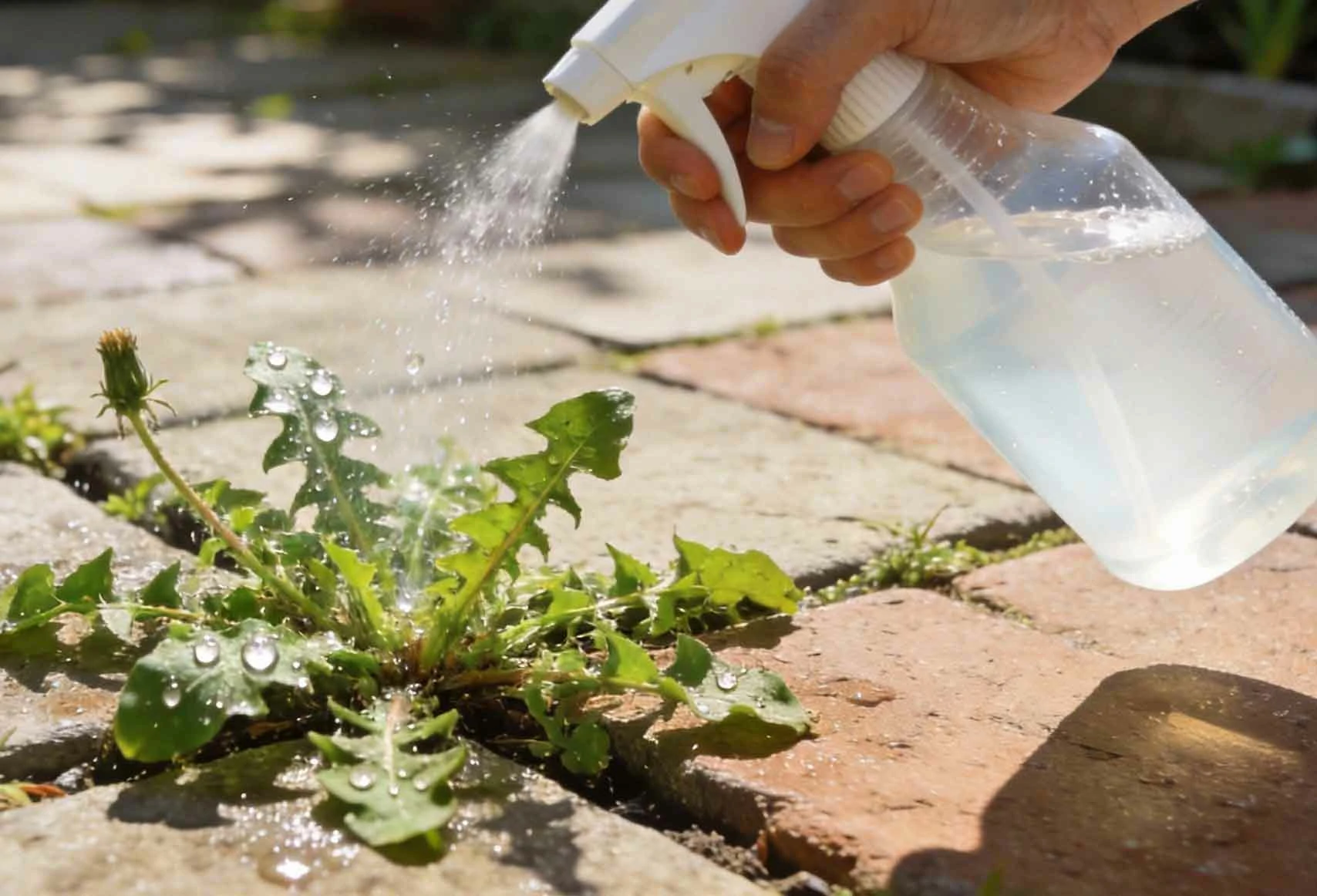
On a sunny, dry day, fill a spray bottle with undiluted white vinegar. Add a tablespoon of dish soap to help the solution stick to the weed's leaves. Spray directly onto the leaves of weeds growing in cracks on driveways, patios, or between paving stones. The acetic acid draws moisture out of the leaves, desiccating the plant. It is non-selective, so avoid spray drift onto desired plants. Multiple applications may be needed for perennial weeds.
2. 🧼 Cleaning Garden Tools and Pots
A solution of equal parts vinegar and water is excellent for cleaning clay pots, garden tools, and seed trays. Soak tools or scrub pots to remove mineral deposits, algae, and disease spores. Soaking rusty tools in vinegar can also help loosen rust. Rinse thoroughly afterwards. This disinfection helps prevent the spread of plant diseases.
3. 🌷 Deterring Furry Garden Invaders
Cats, rabbits, and other small animals often dislike the strong smell of vinegar. Soak old rags in a vinegar solution and place them around the perimeter of a garden bed or near specific plants you want to protect. Re-soak the rags after rain. This is a harmless way to encourage pests to forage elsewhere.
6. Old Newspapers and Cardboard: The Ultimate Weed-Blocking Mulch
Plain cardboard and non-glossy newspaper are carbon-rich "brown" materials that are perfect for creating a highly effective, biodegradable weed barrier known as sheet mulching or lasagna gardening. This method builds rich soil while suppressing weeds completely.
1. 📦 Sheet Mulching for New Beds
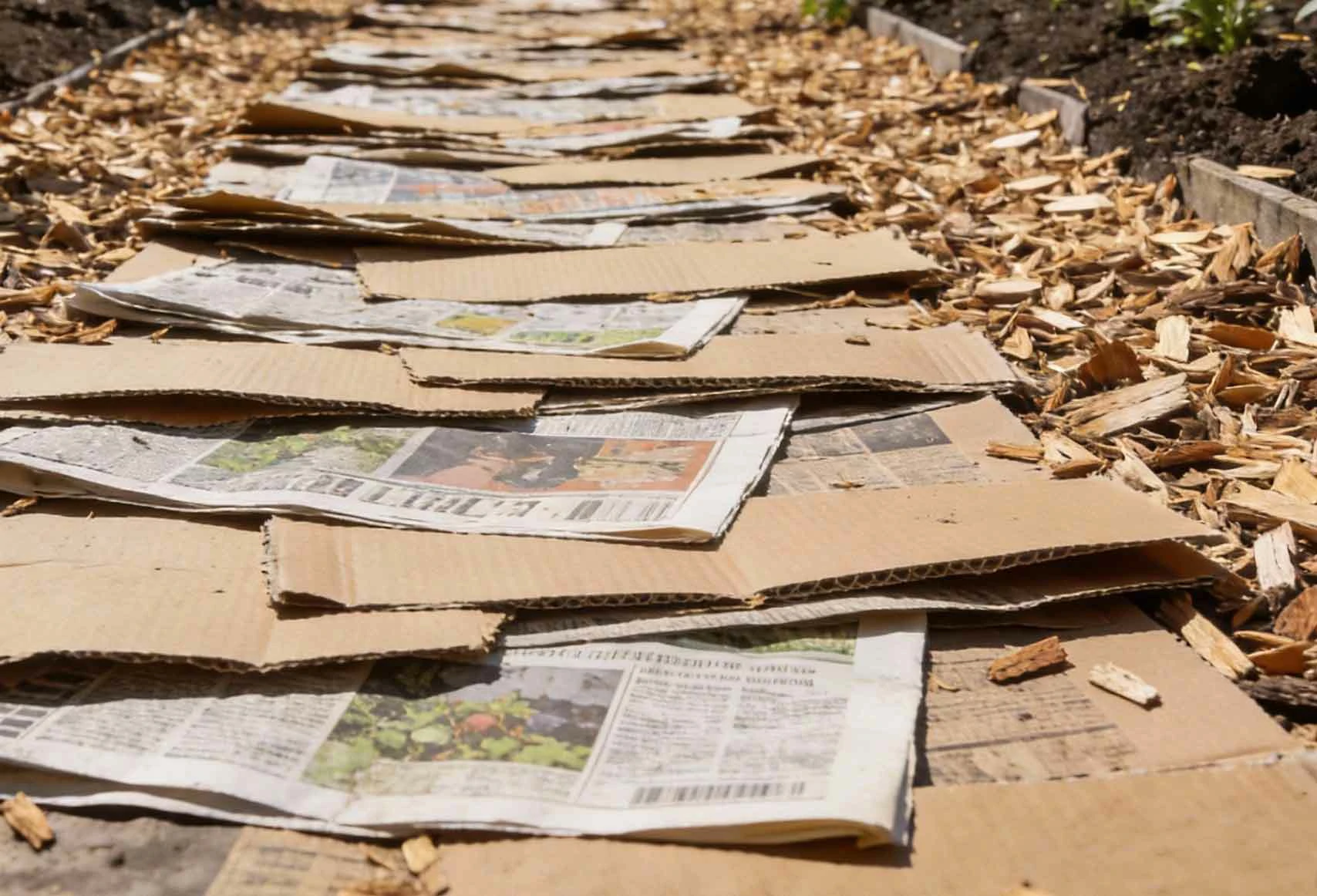
To create a new garden bed without tilling or digging, lay down overlapping sheets of flattened cardboard or 8-10 layers of newspaper directly on top of grass or weeds. Soak the paper layer thoroughly with water. Then, pile on layers of compost, grass clippings, leaves, and other organic matter. The cardboard/paper smothers the weeds beneath, which decompose and add nutrients, while the layers on top create instant, fertile planting soil.
2. 🍂 Pathway Weed Suppressant
For garden paths, lay down thick layers of cardboard or newspaper and cover them with a thick layer of wood chips, straw, or gravel. This prevents weeds from growing through the path, reducing maintenance significantly. The paper layer will eventually decompose, but by then, the surface mulch is often thick enough to continue suppressing weeds.
3. 🐛 Worm Bedding in Vermicomposting
Shredded, non-glossy newspaper and cardboard are ideal bedding materials for a worm compost bin. Soak the shreds in water, then wring them out so they are as damp as a wrung-out sponge. The worms will consume the bedding along with food scraps, turning it all into superb vermicompost. It provides necessary carbon and a comfortable habitat for the worms.
Frugal gardening demonstrates that a lush, productive, and healthy garden doesn't require a large budget or a reliance on synthetic products. By looking at household waste through a creative lens—seeing eggshells as pest control, bottles as greenhouses, and cardboard as soil builder—you engage in a cycle of sustainability that enriches your garden and reduces your environmental footprint. Similarly, harnessing simple ingredients like vinegar, coffee, and ash for pest and weed management keeps your garden organic and safe for pollinators, pets, and your family. Start with one or two of these techniques, and you'll soon discover that the most valuable gardening resources are often those you already have at hand.
Advertisements
Advertisements
You May Have Missed

Put an onion under your feet while you sleep and see what happens

I Caught Feelings For Their Culture”: 40 Cities People Can’t Get Over