
3. Wood Ash from the Fireplace: Balancing Soil pH and Repelling Pests
Advertisements
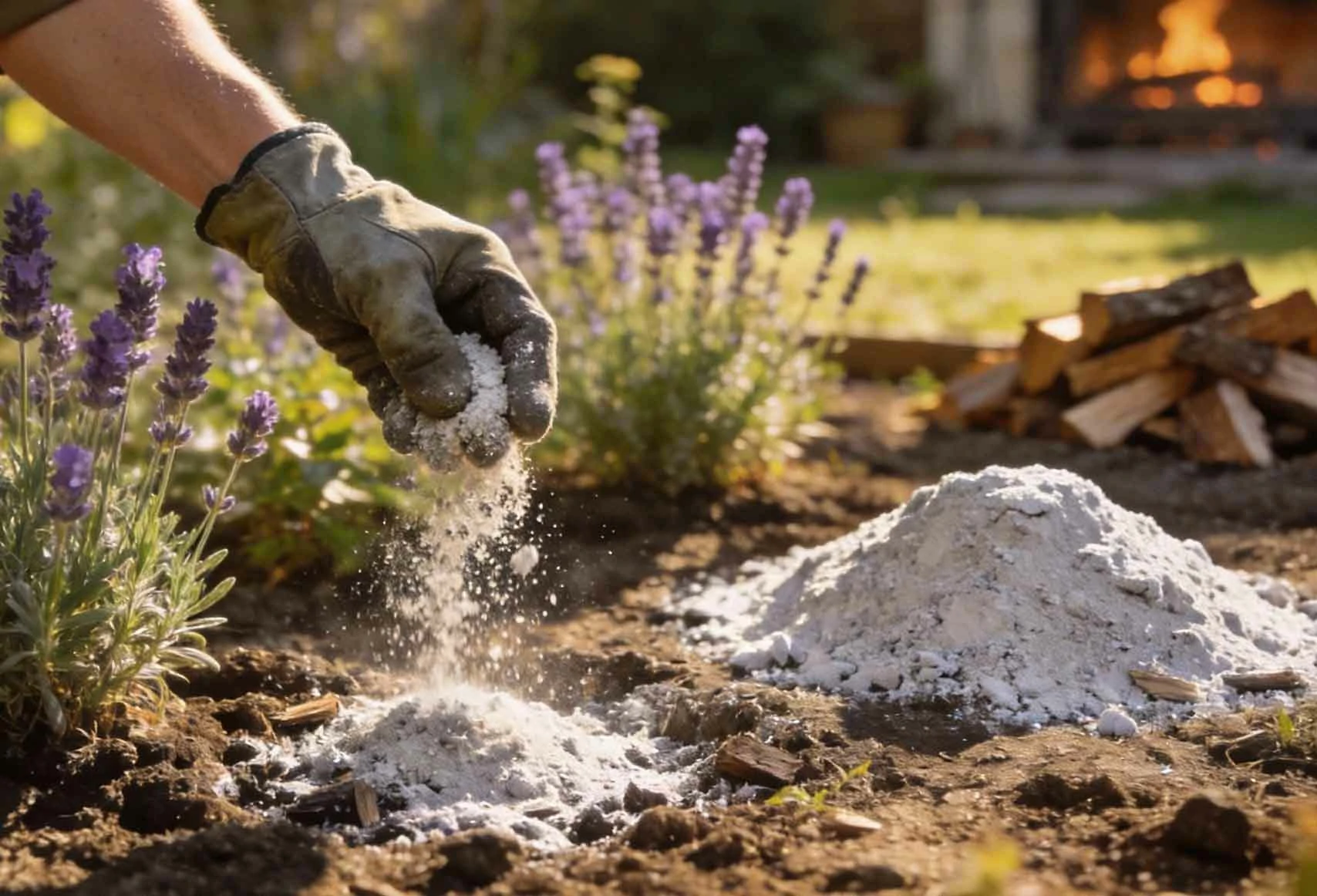
If you have a wood-burning fireplace or fire pit, the resulting ash is a valuable, nutrient-rich resource. Wood ash is alkaline and contains potassium, calcium, and trace minerals. However, it must be used judiciously, as it can raise soil pH significantly.
1. ⚖️ Soil pH Modifier for Alkaline-Loving Plants
Lightly sprinkle sifted wood ash around alkaline-loving plants like lilacs, lavender, and clematis. It can also be beneficial for vegetable garden beds if your soil is too acidic. Always test your soil pH before application, and never use ash around acid-loving plants such as blueberries, azaleas, or rhododendrons. A light dusting in winter or early spring is usually sufficient.
2. 🐛 Pest Deterrent for Leaf-Eating Insects
A light dusting of dry wood ash on the leaves of plants like brassicas (cabbage, broccoli) can deter pests like aphids, cabbage worms, and slugs. The ash desiccates soft-bodied insects and makes the plant less appealing. Apply on a calm, dry day and reapply after rain. Avoid coating the leaves heavily, as this can interfere with photosynthesis.
3. 🧂 Ice Melt and Pathway Traction
While not directly a plant care tip, frugal gardening extends to garden maintenance. Sprinkling wood ash on icy garden paths or driveways provides traction and helps melt ice, as the dark particles absorb sunlight. It's a free, chemical-free alternative to commercial salt, which can damage soil and plant roots when runoff occurs.
Advertisements
Advertisements
You May Have Missed

39 Awkward Vacation Photos You Absolutely Should See

The 10 riskiest dog breeds to keep at home