
How Black Pepper Naturally Protects Plants from Pests
Advertisements
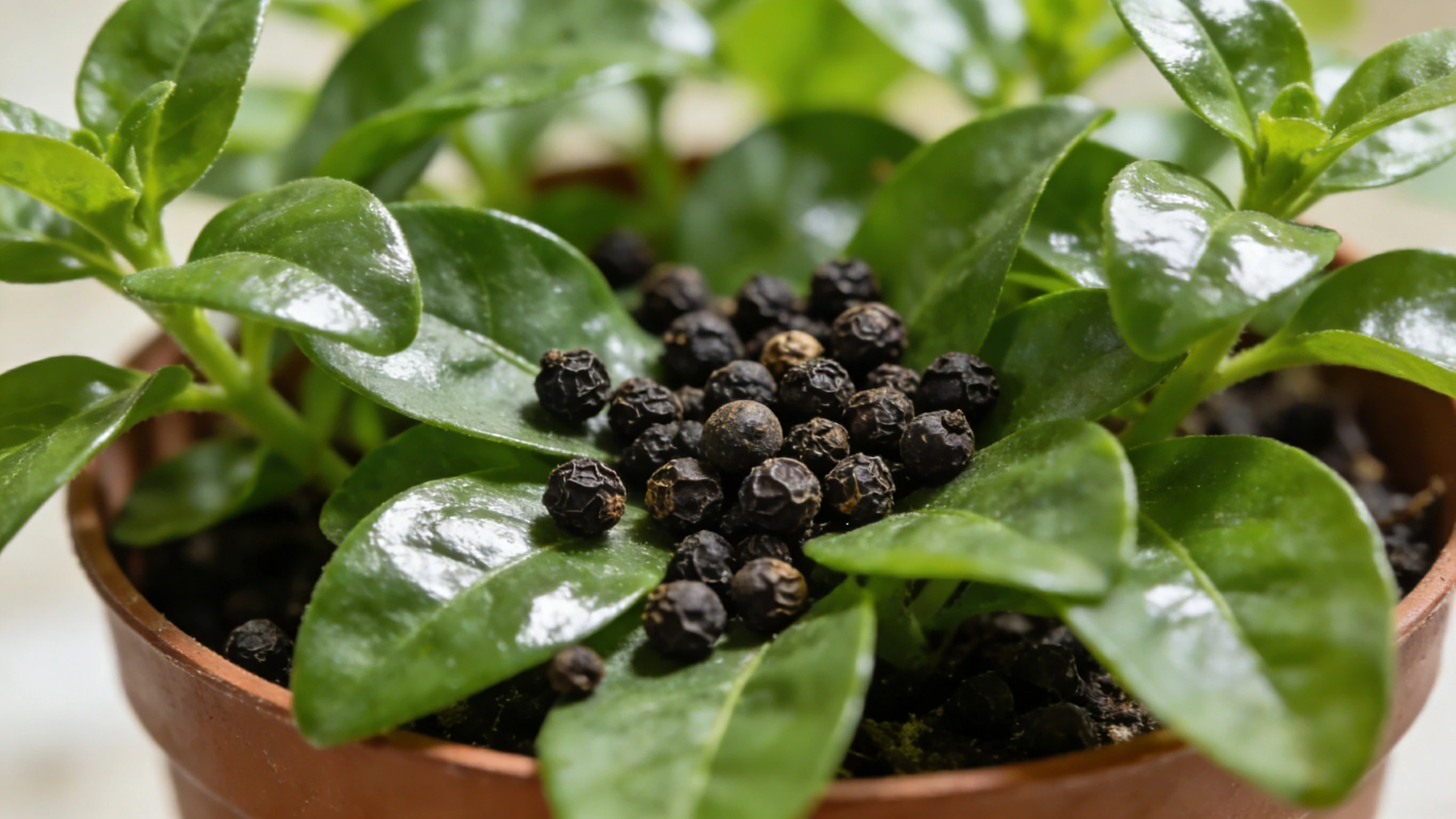
In the realm of sustainable agriculture and eco-friendly gardening, the search for effective natural pest control solutions has led to the rediscovery of traditional remedies. Among these, black pepper (Piper nigrum), a ubiquitous kitchen spice, emerges as a powerful and versatile protector of plants. Beyond its culinary uses, black pepper contains a complex array of bioactive compounds that actively deter, repel, and eliminate a wide spectrum of garden pests. This article explores the scientific foundations behind black pepper's pesticidal prowess, detailing its active ingredients, mechanisms of action, and practical applications. By drawing on insights from agricultural research and organic farming practices worldwide, we will demonstrate how this natural substance can be integrated into pest management strategies to safeguard crops without harming the environment. The focus remains squarely on the specific ways black pepper functions as a plant protector, avoiding broad generalizations and providing actionable information for growers.
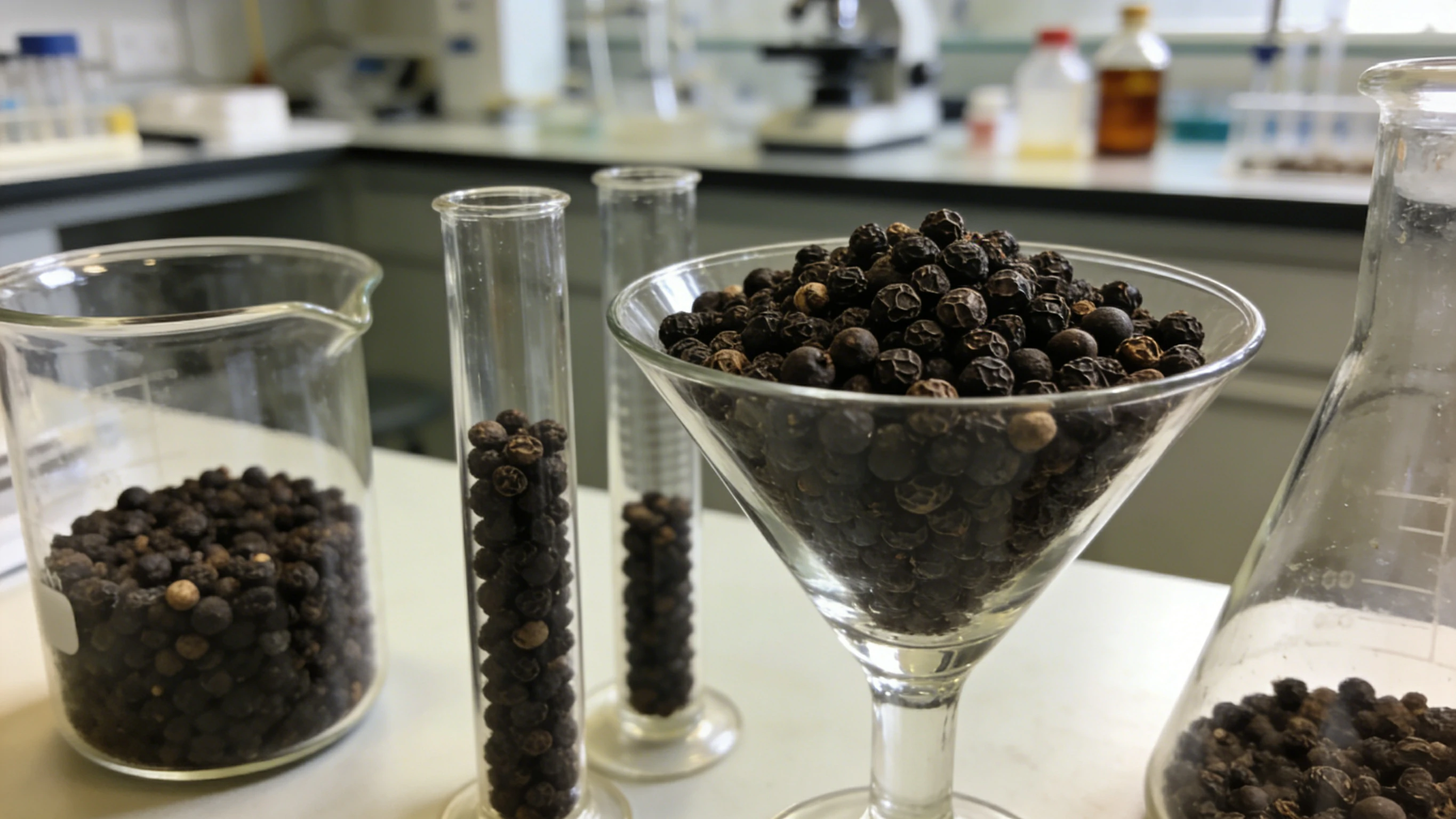
The Biochemical Arsenal: Active Compounds in Black Pepper
The pest-control capabilities of black pepper are not due to a single magic ingredient but rather a synergistic blend of several potent compounds. These chemicals, evolved by the plant as natural defenses, are now harnessed for protecting other crops. Understanding this biochemical profile is key to appreciating its effectiveness.
1. Piperine: The Primary Insecticidal Alkaloid 🧪
Piperine is the major bioactive alkaloid responsible for black pepper's characteristic pungency and a significant contributor to its insecticidal properties. Scientific studies, such as those published in the Journal of Agricultural and Food Chemistry, have shown that piperine acts as a neurotoxin to many insects. It interferes with neurotransmitter function, leading to paralysis and death in pests like aphids, mites, and caterpillars upon contact or ingestion. Furthermore, piperine has been found to inhibit key metabolic enzymes in insects, disrupting their growth and development. Its bioavailability and stability make it a reliable active agent in natural pest control formulations.
2. Volatile Essential Oils: The Aromatic Shield 🌿
Black pepper essential oil, extracted from the berries, contains volatile compounds like limonene, pinene, beta-caryophyllene, and sabinene. These terpenes are highly effective repellents. For instance, limonene is a known insect repellent and fumigant, effective against ants, fleas, and flies. Beta-caryophyllene exhibits both antifungal and anti-inflammatory properties. When released into the air around plants, these volatile oils mask the host plant's scent, confusing pests that use olfactory cues to find their targets. Research from institutions like the University of Florida has documented the repellent effect of black pepper oil against common greenhouse pests.
3. Supporting Cast: Flavonoids and Phenolic Acids 🔬
Black pepper is also rich in antioxidant compounds such as flavonoids (e.g., kaempferol) and various phenolic acids. While not directly lethal to pests, these compounds play a crucial indirect role. They can enhance the plant's own systemic acquired resistance (SAR), a defensive state where the plant becomes more resilient to pathogen and pest attacks. Some studies suggest that applications of black pepper extracts can prime plant defense pathways, making them less susceptible to infestation. Additionally, these antioxidants contribute to the overall health and vigor of the treated plant, enabling it to better withstand pest pressure.
Advertisements
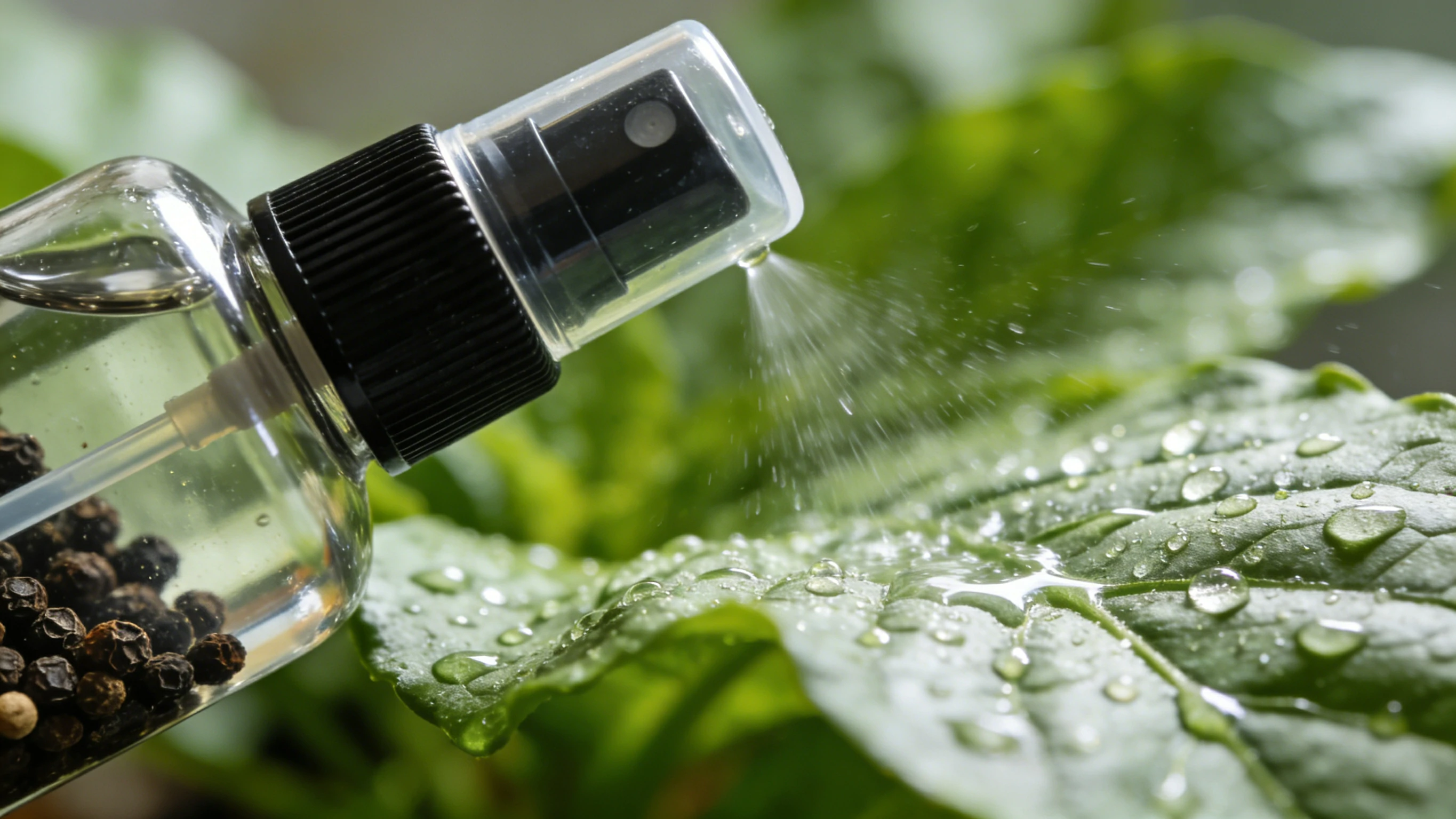
Mechanisms of Action: How Black Pepper Deters and Kills Pests
Black pepper employs a multi-pronged strategy against pests, functioning as a repellent, an antifeedant, a growth inhibitor, and a direct toxin. This multifaceted approach reduces the likelihood of pests developing resistance, a common problem with synthetic pesticides.
1. Olfactory Disruption and Repellency 🐛
The most immediate effect is repellency. The strong, pungent aroma of black pepper, primarily from its volatile oils, overwhelms the sensitive antennae of insects. Pests such as whiteflies, thrips, and many beetles rely heavily on scent to locate suitable plants for feeding and egg-laying. By creating an olfactory "smoke screen," black pepper makes the protected plants virtually invisible or unattractive to these pests. Field observations note that pests often avoid areas treated with pepper dust or spray, seeking easier targets elsewhere.
2. Contact Toxicity and Antifeedant Properties 🚫
Upon direct contact, piperine and other compounds penetrate the cuticle of soft-bodied insects, causing neurological disruption and death. For larger or harder-bodied pests, black pepper acts as a potent antifeedant. When pests like caterpillars or slugs attempt to consume foliage treated with pepper, the irritating compounds deter further feeding. This "stop eating" signal is crucial for preventing crop damage even if the pest is not immediately killed. The abrasive texture of finely ground pepper can also cause physical irritation and desiccation to small insects.
3. Inhibition of Growth and Reproduction 🛡️
Sub-lethal exposures to black pepper compounds can have profound effects on pest populations over time. Research has demonstrated that piperine can interfere with the molting process of insect larvae, leading to malformation or death during development. It can also reduce fertility and egg viability in adult insects. By suppressing population growth, black pepper helps maintain pest numbers below economically damaging thresholds, providing long-term control.

Efficacy Against Specific Common Plant Pests
Black pepper's broad-spectrum activity makes it useful against numerous pests that plague gardens and farms. Its effectiveness varies but has been noted in both anecdotal experience and scientific trials against the following key adversaries.
1. Sap-Sucking Insects: Aphids, Whiteflies, and Spider Mites 🦟
These are among the most susceptible pests. A finely prepared black pepper spray can suffocate and poison aphids and whiteflies on contact. The spray clogs their spiracles (breathing pores) while the piperine acts as a toxin. For spider mites, which are arachnids, the repellent and irritant properties are particularly effective. Consistent weekly applications can break their reproductive cycle and clear infestations on vegetables, ornamentals, and fruit trees.
2. Chewing Pests: Caterpillars, Beetles, and Grasshoppers 🐞
Cabbage worms, Colorado potato beetles, and even locusts show aversion to pepper-treated plants. The antifeedant effect is strong here; after initial tasting, pests abandon the plant. Dusting plants with a mixture of black pepper and diatomaceous earth can create a powerful barrier against these crawling and jumping insects. The combination causes both irritation and physical damage to their exoskeletons.
3. Soil-Dwelling Pests and Slugs 🍄
While less common, black pepper can deter certain soil pests. Sprinkling pepper powder around the base of plants can repel cutworms and some root-eating larvae. Its irritant nature is also a deterrent for slugs and snails. However, for slugs, it is often more effective when combined with other methods, as heavy rain can wash it away. The antifungal properties of its essential oils also help protect against soil-borne fungal pathogens like Fusarium and Pythium, offering root zone protection.
Advertisements
Advertisements
You May Have Missed

My Husband Took A Trip With Another Woman.

The husband abandoned his sick wife for his mistress.