
Practical Preparation and Application Methods
Advertisements
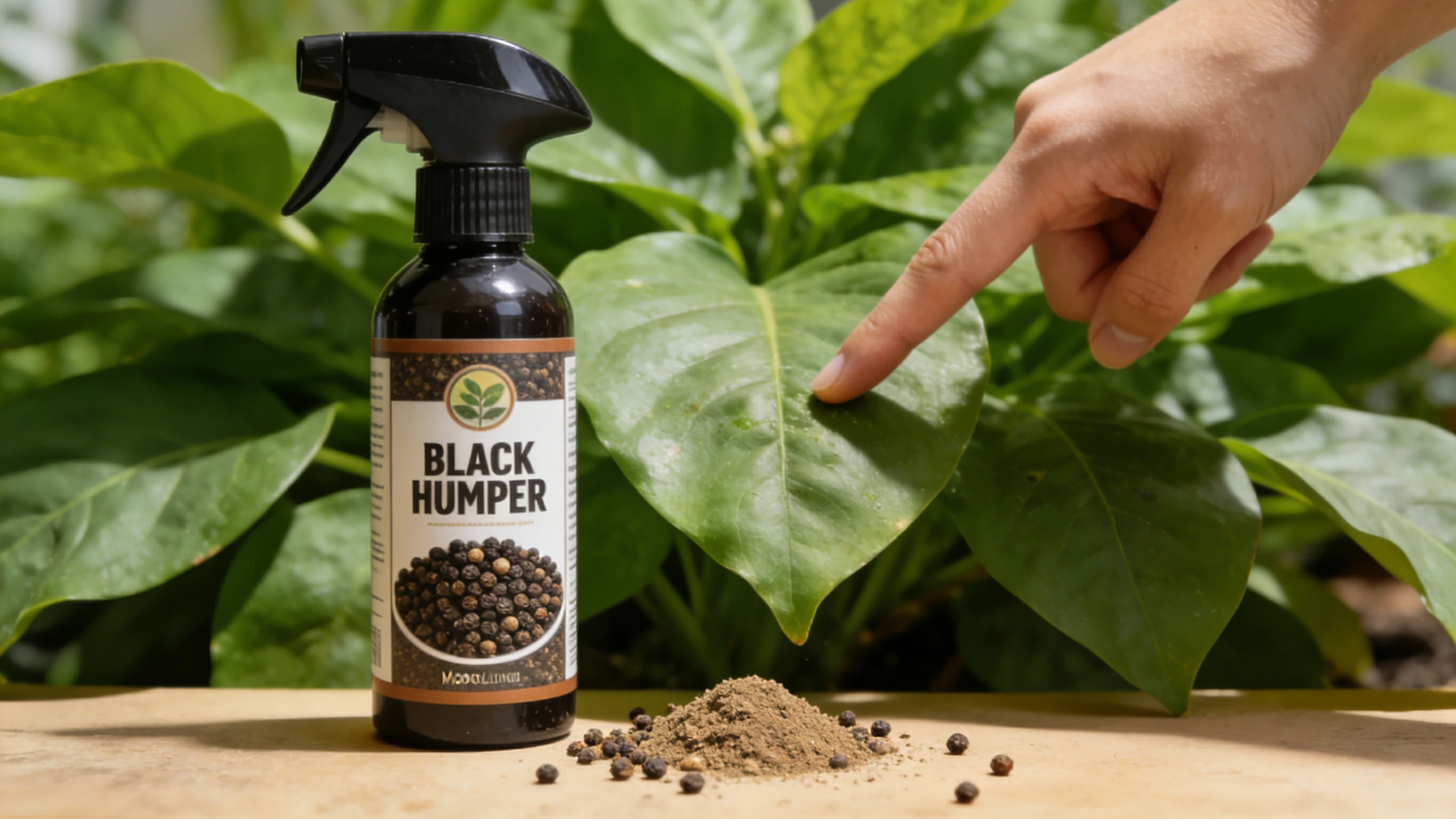
To harness black pepper's pest-control power, it must be prepared and applied correctly. Here are detailed, proven methods for gardeners and small-scale farmers.
1. Concentrated Black Pepper Spray or Solution 🧴
This is the most common and effective method. To make a standard solution: combine 2-3 tablespoons of freshly ground black pepper (or 1 tablespoon of black pepper essential oil) with one liter of warm water. Add a few drops of natural liquid soap (like castile soap) to act as an emulsifier and spreader. Seal the mixture in a jar, shake vigorously, and let it steep for 24-48 hours. Strain through a cheesecloth or fine sieve to remove particles that could clog sprayers. Transfer to a spray bottle and apply thoroughly to all plant surfaces, especially the undersides of leaves where pests congregate. Reapply every 5-7 days and after any rainfall. For a stronger concentrate, simmer ground pepper in water for 30 minutes, cool, strain, and then dilute.
2. Protective Dust and Barrier Applications 🌶️
For dry application, use finely powdered black pepper alone or mixed with other deterrents like cinnamon or garlic powder. Lightly dust the leaves and stems of plants on a calm, dry day. This method is excellent for creating a lasting barrier against crawling insects. You can also create a perimeter barrier by sprinkling a circle of pepper dust around individual plants or garden beds to deter ants, which often farm aphids. For seedlings, a light dusting can protect them during their most vulnerable stage.
3. Integration into Soil and Companion Planting 🌱
Incorporate small amounts of black pepper powder into the top layer of soil when transplanting to deter soil grubs. For companion planting, while black pepper itself is a vine not always feasible to grow everywhere, its principles can be applied. Growing strongly aromatic herbs (like those sharing similar volatile compounds) can enhance the repellent effect. Alternatively, soaking mulch in a strong pepper tea before applying it around plants can create a slow-release pest-deterrent zone.
Advertisements
Advertisements
You May Have Missed

The waitress wrote a letter to her father without her mother's knowledge

The truth behind grandma's fall