Limitations, Considerations, and Best Practices
Advertisements
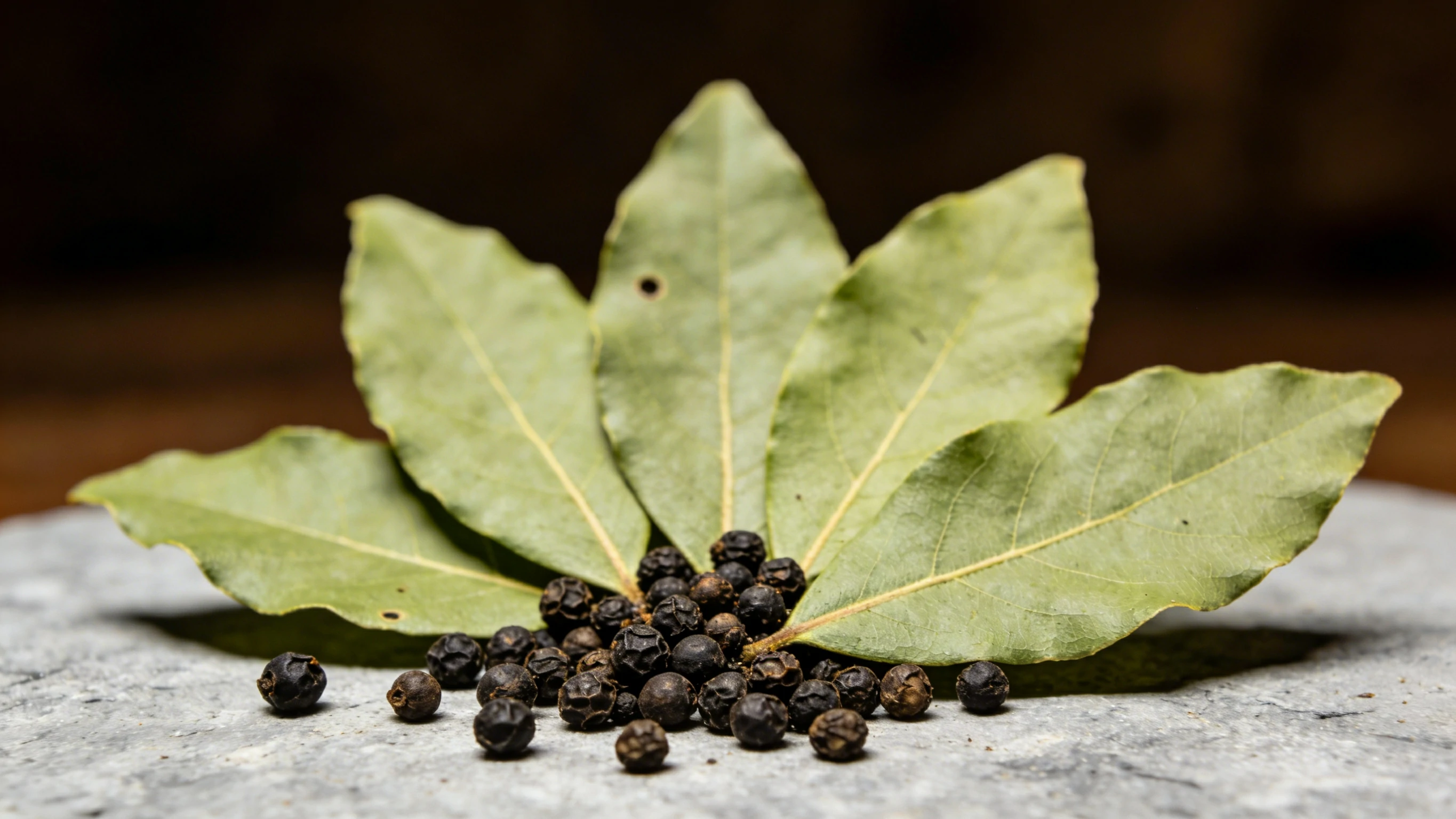
While highly beneficial, black pepper as a pest control agent has some limitations that users should acknowledge for optimal results.
1. Variable Potency and Shelf Life 📉
The potency of black pepper depends on its piperine and essential oil content, which can vary with origin, freshness, and processing. Freshly ground pepper from whole peppercorns is more effective than pre-ground pepper that has been sitting on a shelf. Homemade sprays have a limited shelf life (about 1-2 weeks if refrigerated) and should be used promptly. Light and heat degrade the active compounds.
2. Weather Dependence and Application Frequency ☔
Rain, overhead irrigation, and strong wind can quickly wash off or disperse pepper applications. This necessitates reapplication, which can be labor-intensive on a large scale. It works best in protected environments like greenhouses or during dry seasons. Consistent monitoring and timely re-spraying are key to maintaining protection.
3. Potential Phytotoxicity and Test Patch 🔍
While generally safe, concentrated pepper sprays can sometimes cause leaf burn (phytotoxicity) on very tender seedlings or sensitive plant species, especially in hot, sunny weather. It is always prudent to test the spray on a small, inconspicuous part of the plant and wait 24-48 hours for any adverse reaction before treating the entire plant or crop.
Advertisements
Advertisements
You May Have Missed

40 Breathtakingly Perfect Time-Lapse Photos

The 10 riskiest dog breeds to keep at home