
Essential Tips for Working with PVC Pipe
Advertisements
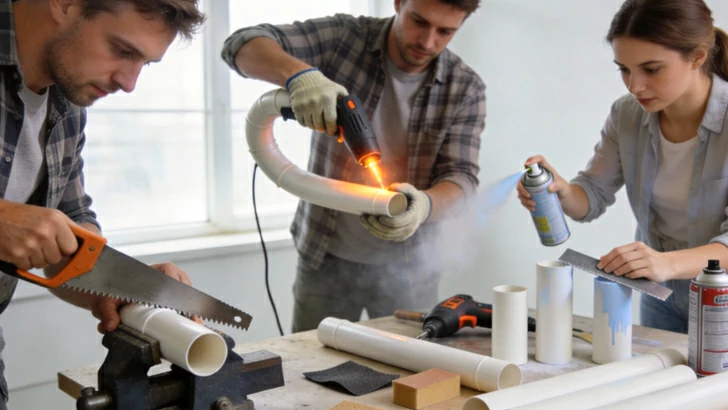
Before you begin your creations, mastering a few core techniques will ensure better results and safety.
1. Cutting and Sanding
Always use a sharp PVC cutter or fine-tooth hacksaw for clean cuts. Secure the pipe before cutting. After cutting, use a file or sandpaper to thoroughly remove all burrs and sharp edges, which is crucial for safety, especially if children will be near the finished product.
2. Bending with Heat
A heat gun is essential for creating curves. Apply heat evenly to a section of pipe, rotating constantly. When the PVC becomes pliable (not melting), put on heavy gloves and bend it to the desired shape. Hold it in position until it cools and hardens. Practice on scrap pieces first.
3. Painting for Durability
PVC is non-porous, so paint adhesion can be tricky. Lightly sand the surface with fine-grit sandpaper to create a ""tooth."" Wipe away dust and apply a plastic primer or spray paint specifically formulated for plastics. Apply several light coats instead of one heavy one to prevent drips and ensure longevity, especially for outdoor pieces.
Advertisements
Advertisements
You May Have Missed

This Elegant Country Cottage is Movable! Let’s Find out What’s Inside...

29 shameless photos of Dubai that will amaze you