
These 9 items have no expiration date
Advertisements
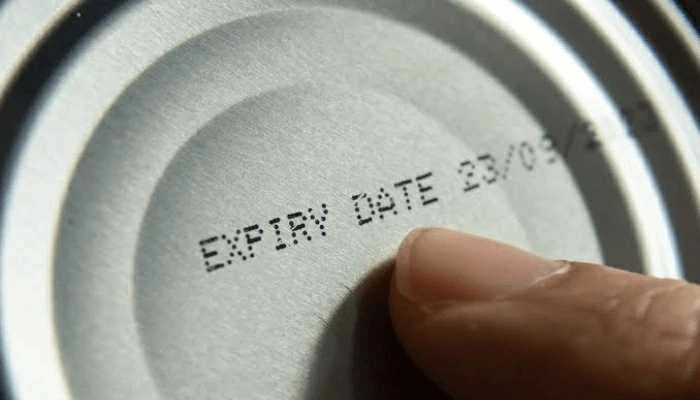
In our daily lives, we habitually check the expiration date of products, and once it has expired, we throw it away without hesitation.
This is certainly in line with the principles of safety and health, but did you know that there are actually some things that can still be used even after their so-called expiration date, and it would be a real shame to throw them away?
Today, let's talk in detail about these "no expiration date" items so that everyone can avoid unnecessary waste and also discover some little surprises in life.
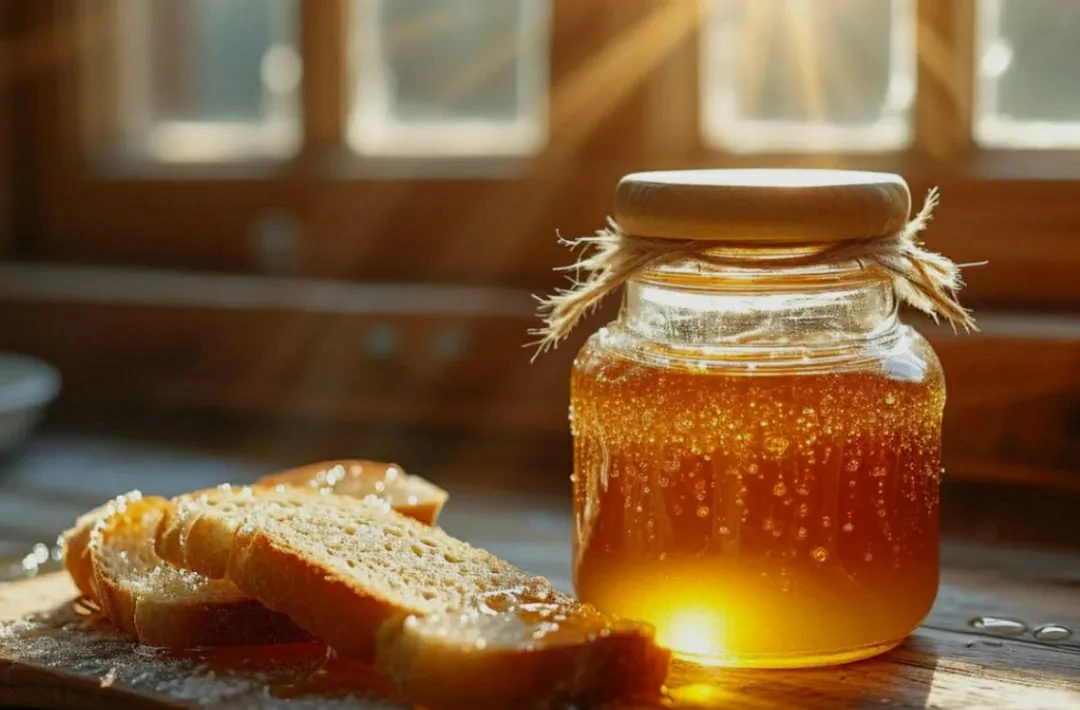
1. Honey
Honey is hailed as "nature's sweet gift" not only because of its delicious taste, but also because of its unique health benefits.
Honey is rich in natural sugars, amino acids, vitamins, and minerals, and also has natural antibacterial properties. Under proper storage conditions, honey hardly spoils.
You may notice that honey that has been stored for a long time may develop crystals on its surface. These are actually crystals formed from the natural glucose components in the honey.
This crystallization does not affect the edibility of honey; it is simply a natural phenomenon. As long as the honey does not exhibit any abnormalities such as off-odors, mold, or discoloration, it remains safe to consume.
Even if honey has expired, you can still spread it on bread or add it to warm water to make tea.
Its sweet taste remains, and honey also has many benefits such as relieving throat discomfort and moisturizing the skin.
Therefore, there is no need to worry about expired honey. After checking for any abnormalities, it is still safe to use.
Advertisements
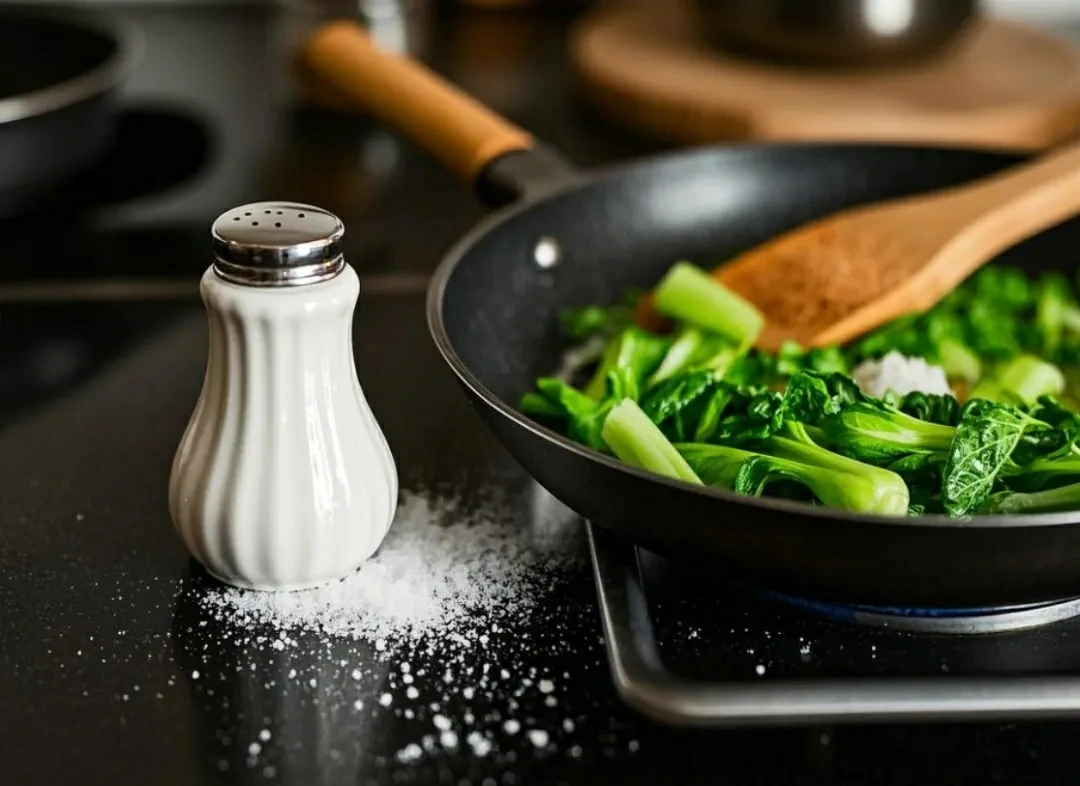
2. Salt
Salt, an indispensable seasoning in the kitchen, is extremely stable from a chemical perspective.
Salt (sodium chloride) is hardly affected by air, temperature or humidity, so its shelf life is not as strict as that of other foods.
Even if the salt packaging indicates an "expiration date," it can still be used as long as it hasn't gotten damp. Salt's primary function is to season and preserve food; it itself doesn't spoil or expire.
In fact, many types of aged salt or rock salt can even develop a richer and more mellow flavor over time.
Salt is best stored in a dry, cool place to avoid the growth of mold or bacteria in a humid environment.
As long as the salt granules do not clump or change color, they can continue to be used for cooking, pickling, making salted vegetables, etc.
Using "expired" salt to stir-fry or stew food can still add flavor.
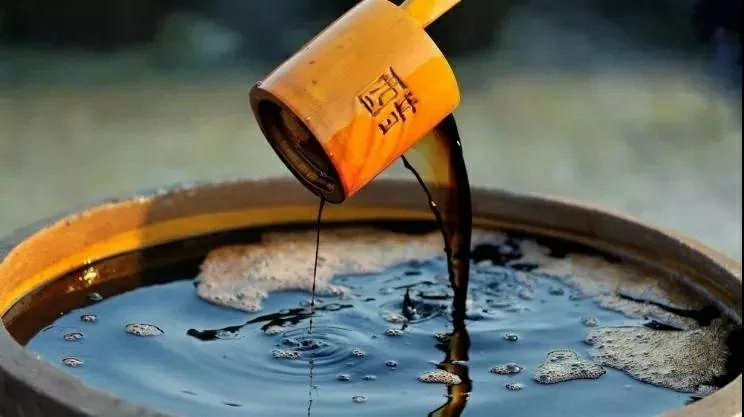
3. Aged vinegar
Aged vinegar is an essential condiment in many dishes. Its acidic properties not only enhance flavor in the kitchen but also inhibit bacterial growth, thus having a natural preservation effect.
The unique feature of aged vinegar is that its flavor may become richer and more mellow over time, which can enhance the complexity of dishes.
Therefore, expired aged vinegar does not mean it has lost its value. As long as the vinegar has not become cloudy, has not developed an off-odor, or has sediment, it can still be used.
You can use aged vinegar in cold dishes, hot and sour soup, or as a seasoning for stewing meat or making sauces.
It not only enhances the flavor of food, but also adds health benefits to the diet, such as aiding digestion and stimulating appetite.
Expired vinegar can still be used safely if stored properly.
Advertisements
Advertisements
You May Have Missed

The truth behind grandma's fall

Husband divorces wife after she gives birth to black child, her secret revealed 10 years later