
Throw away these 6 things as soon as they spoil!
Advertisements

In daily life, many of us have this misconception: that as long as something is still within its shelf life, it is safe to use.
However, the "shelf life" is not entirely the same as the usage date. Many things, even if they are still within their shelf life, may spoil or become unsuitable for use due to various reasons.
Today, we'll discuss in detail six of these items that you should throw away immediately if certain conditions arise, as they relate to your health and quality of life.
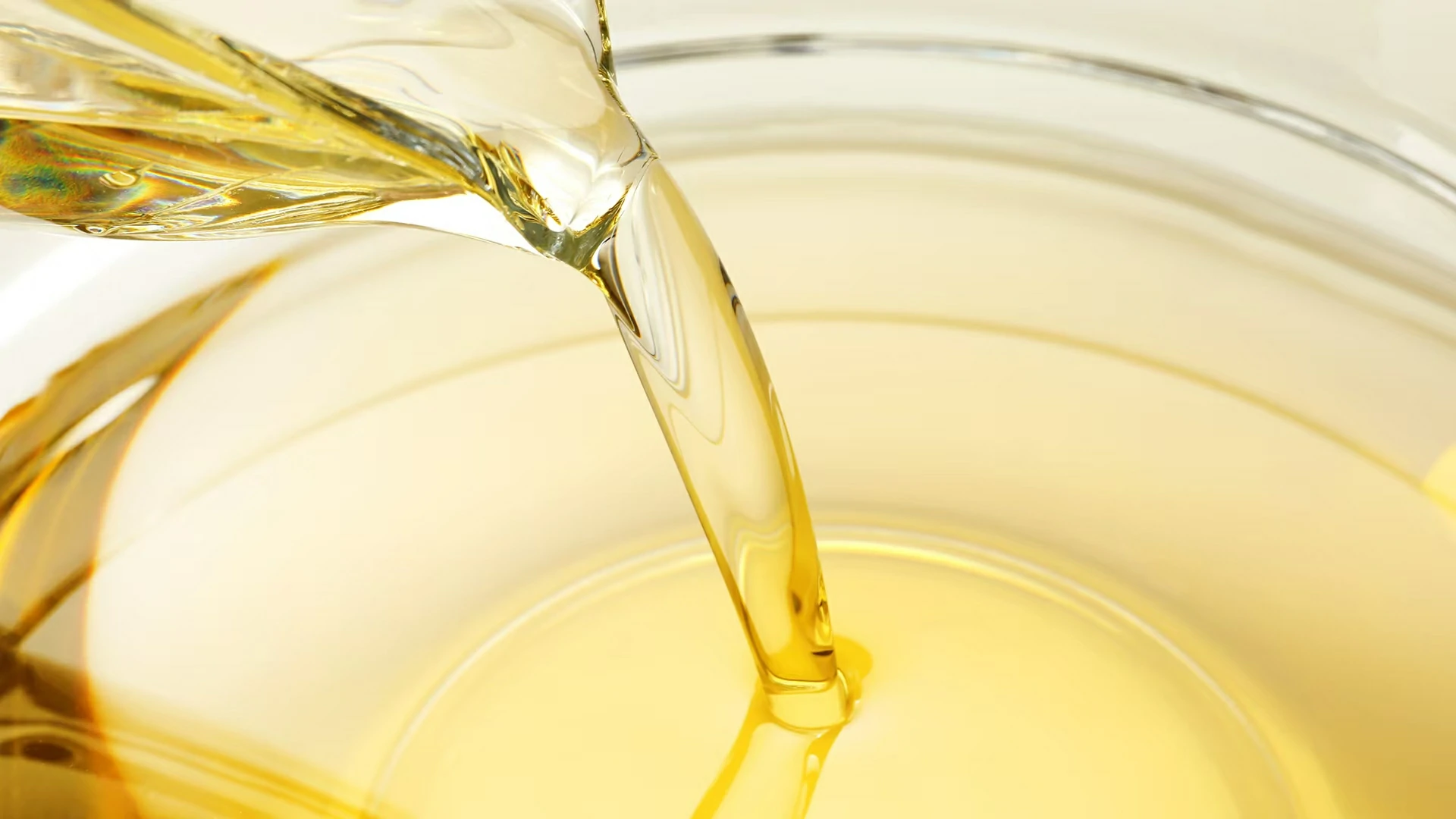
I. Cooking oil
Cooking oil is an indispensable item in our kitchens, affecting the taste and healthiness of the food we cook. Generally speaking, cooking oil has a limited shelf life.
However, problems can still occur even within the shelf life. For example, if you find that the cooking oil has developed a rancid smell, this is a very dangerous sign.
The appearance of this smell indicates that the cooking oil has begun to oxidize and spoil. Oxidized cooking oil contains a large number of free radicals and harmful substances. Consuming such oil may damage body cells and increase the risk of disease.
Furthermore, cooking oil may spoil prematurely if it is exposed to sunlight or high temperatures for an extended period of time, even if it has not yet reached its expiration date.
So when you smell an unusual odor in cooking oil or find that its color has become very dark, don't hesitate any longer, just throw it away.
Advertisements
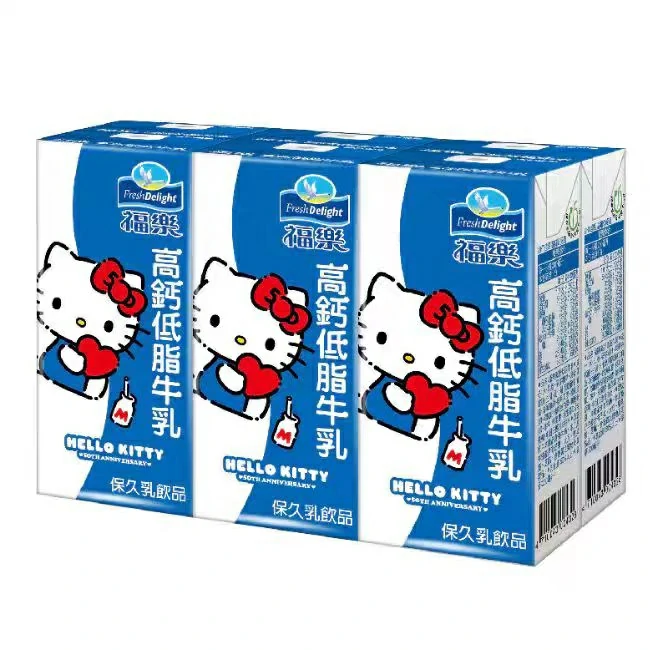
II. Pure Milk
Pure milk is a popular breakfast choice for many, as it is rich in protein and trace elements such as calcium. However, in some cases, pure milk can spoil before its expiration date.
If the outer packaging of pure milk shows signs of bulging or other abnormalities within its shelf life, it indicates that the milk has been contaminated with bacteria.
Bacteria multiply in milk, producing gas and causing the packaging to bulge. Milk in this condition should absolutely not be consumed; drinking it may cause food poisoning symptoms such as vomiting and diarrhea.
In addition, even if the milk packaging looks normal, if the milk becomes thick or has lumps after opening, it means that the milk has spoiled.
Pure milk has strict requirements for storage temperature. If the temperature is not properly controlled during transportation or storage, problems can easily occur.
We must always pay attention to the condition of pure milk. If there are any abnormalities, it should not be consumed and must be discarded.
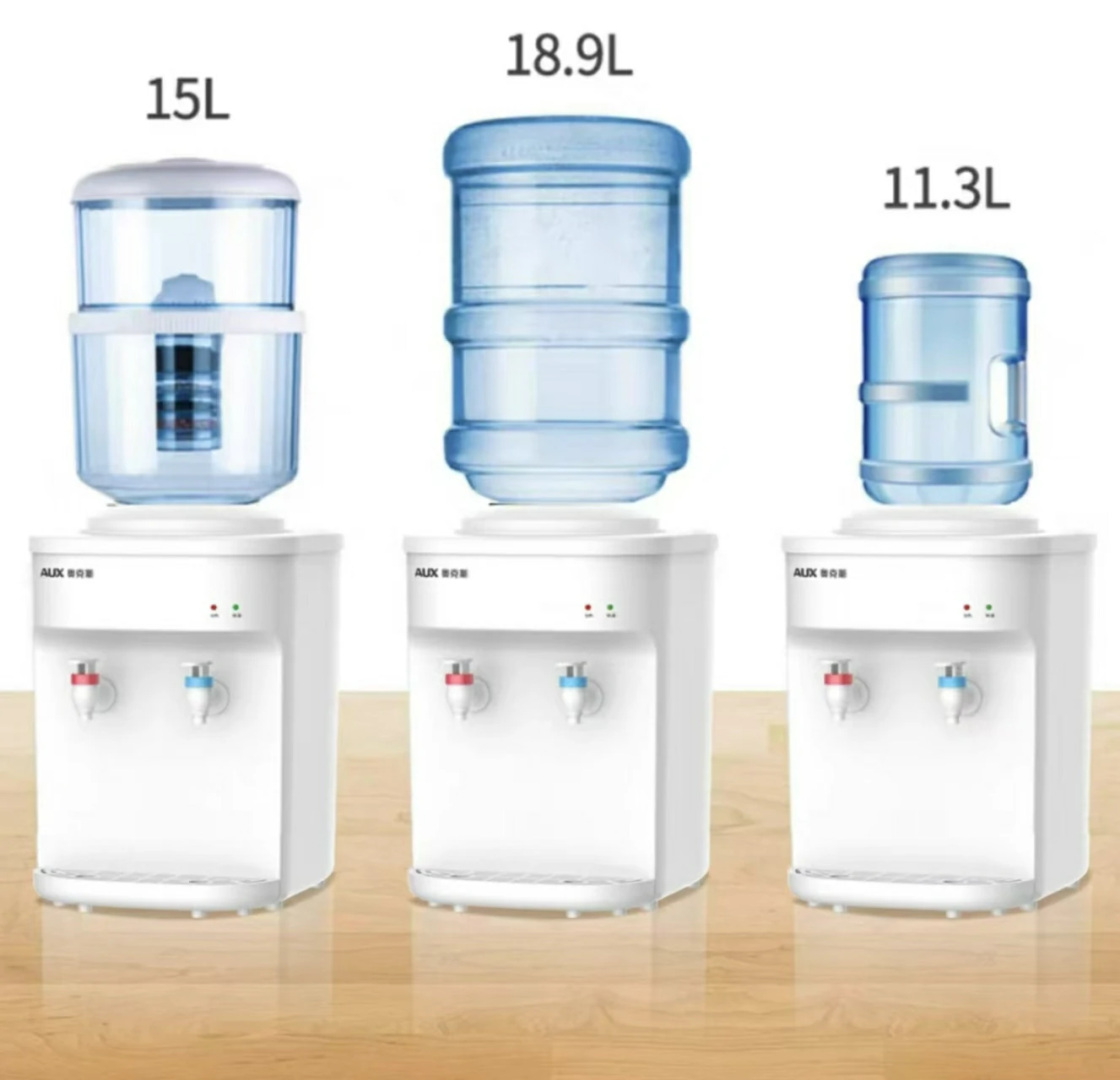
III. Bottled Drinking Water
Bottled water is widely used in homes and offices, making it convenient for us to drink water anytime.
Although bottled water may seem to have a longer shelf life, bacteria can easily enter the water if the seal of the bottle is compromised during use, such as if the lid is not properly closed or the bottle has a crack.
Furthermore, water dispensers that are not cleaned for extended periods can harbor a large number of bacteria, which can contaminate the bottled water. Even if the bottled water is still within its shelf life, if it tastes strange, has an unusual odor, or becomes cloudy, it indicates that the water has been contaminated and is no longer suitable for consumption.
We cannot be complacent just because the bottled water is still within its shelf life. We must pay attention to the cleanliness of the water bottle and water dispenser. If we find any problems with the water, we must stop drinking it and replace it with new bottled water. If we are still worried, we should thoroughly clean and check the water dispenser's pipes.
Advertisements
Advertisements
You May Have Missed

Husband divorces wife after she gives birth to black child, her secret revealed 10 years later

Man gives hitchhiker a lift home—and is shocked by the news the next day