IV. Sunscreen
Advertisements
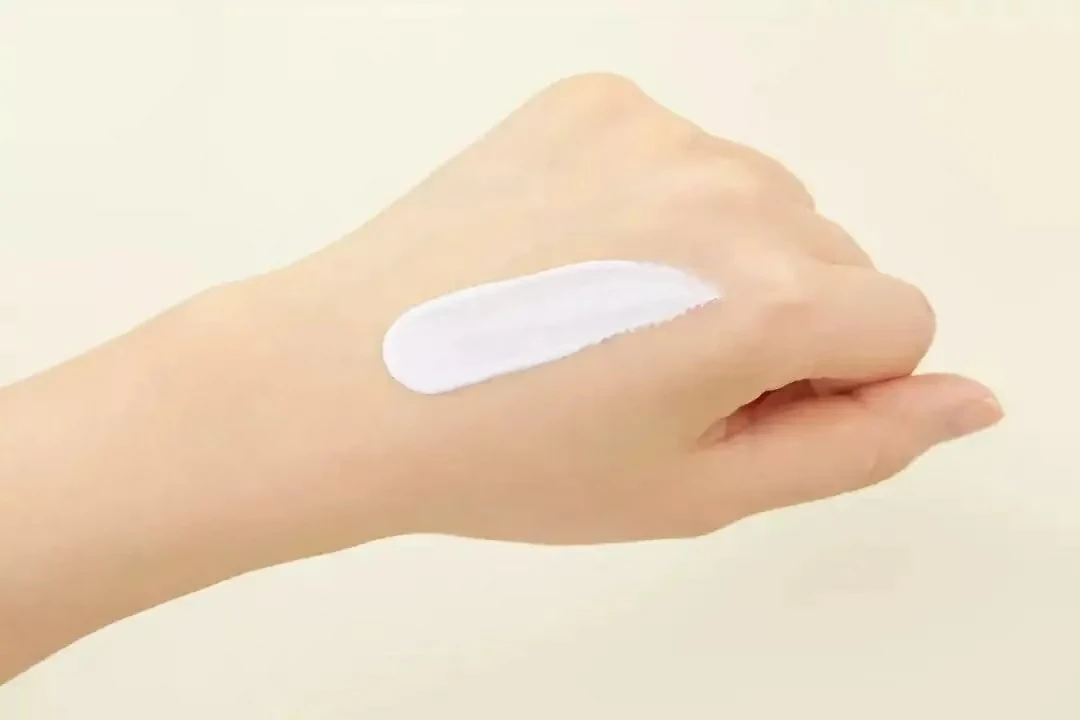
Sunscreen is an essential product in our daily skincare routine, especially when the sun is strong.
The expiration date of sunscreen is usually marked on the bottle. However, the actual shelf life of sunscreen can be affected by many factors.
If the texture of sunscreen changes, such as becoming thinner or separating, it means its structure has been damaged. In this case, the sunscreen may no longer provide effective sun protection.
In addition, sunscreen may spoil if it is exposed to high temperatures for an extended period, such as being left in a car exposed to direct sunlight, even if it is still within its expiration date. Spoiled sunscreen may cause allergic reactions and damage the skin when applied to it.
When we find that the sunscreen has changed in texture or has been affected by high temperatures, we should discard it and buy a new one.

V. Liquid Medicines
Liquid medicines can be lifesavers when we're sick, but if they spoil, they can become harmful to our health. The storage conditions for liquid medicines are often quite strict, and many need to be stored at specific temperatures.
Excessively high or low temperatures during storage can cause medications to deteriorate. Even if a medication is still within its expiration date, if its color changes—for example, a previously clear liquid becomes cloudy or develops sediment—it indicates that a chemical reaction has occurred, potentially altering its efficacy or producing harmful substances.
At this point, the liquid medicine is no longer usable and must be discarded. Furthermore, if the bottle cap is not properly sealed, the medicine can easily become contaminated and spoil. Therefore, liquid medicines must be stored strictly according to storage requirements, and their condition must be carefully checked before use.
VI. Milk Powder
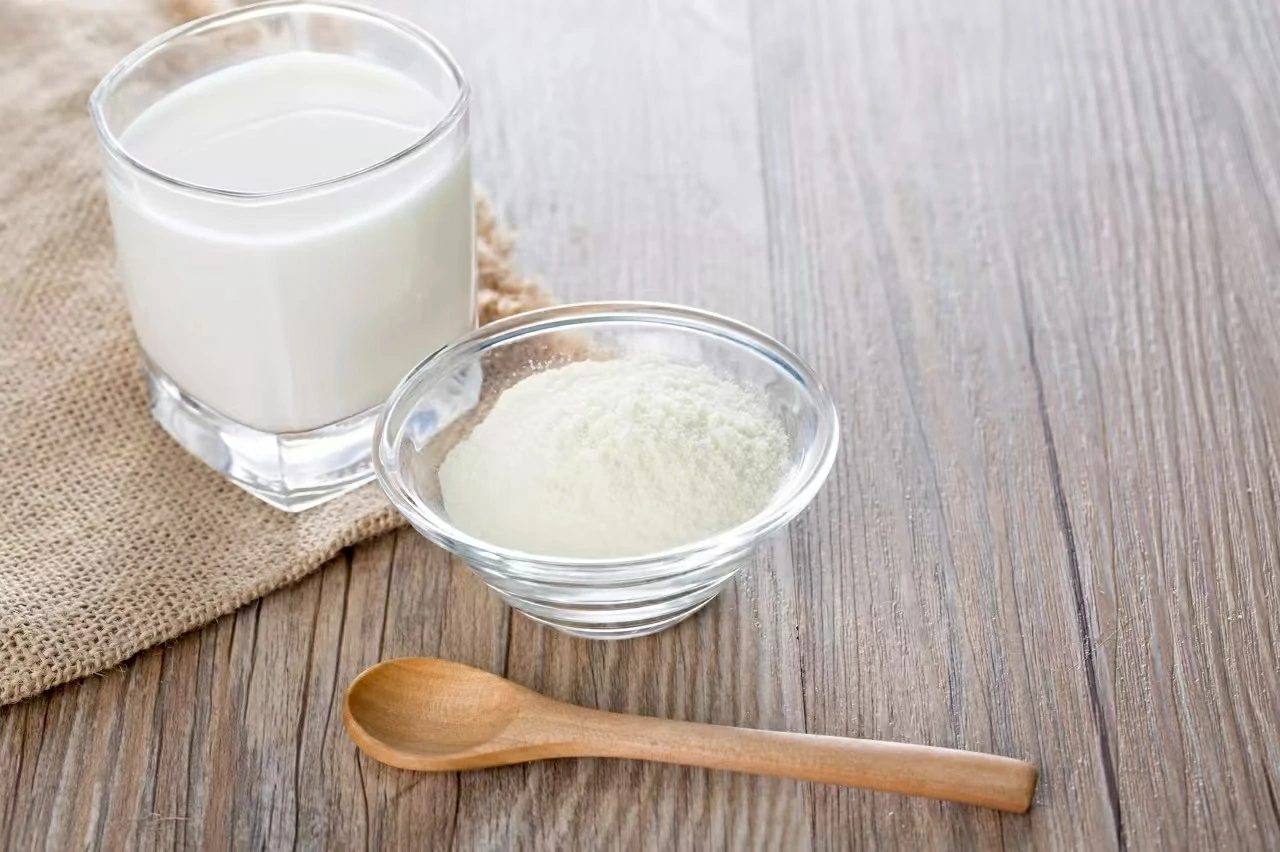
Infant formula is an important source of nutrition for many infants and the elderly. However, even within its shelf life, infant formula can still develop problems.
If, after opening the packaging of milk powder, you find clumps of powder that are not easily broken apart by a gentle tap due to moisture, but rather are relatively hard clumps, this indicates that the milk powder has spoiled.
Spoiled milk powder may harbor bacteria or mold, which could affect health if consumed. Additionally, an unusual odor, such as a sour or musty smell, is also a sign that the milk powder has spoiled.
Milk powder needs to be stored in a dry, cool environment. If it is not stored properly, it can easily spoil.
Therefore, if you find any signs of spoilage in the milk powder mentioned above, do not feed it to children or the elderly; discard it immediately.
Advertisements
Advertisements
You May Have Missed
Put an onion under your feet while you sleep and see what happens

39 Awkward Vacation Photos You Absolutely Should See