
Tips for Living Frugally Without Looking Cheap
Advertisements

Embracing a frugal lifestyle is a conscious choice toward financial freedom and mindful consumption. However, it often carries the unfair stigma of appearing ""cheap""—a perception of sacrificing quality, style, and social grace for mere pennies. True frugality is an art form; it's about maximizing value, eliminating waste, and prioritizing what truly enriches your life, all while maintaining an impeccable appearance to the outside world. It's the difference between looking like you're struggling and projecting an image of thoughtful, intelligent resourcefulness. This guide provides practical strategies across various aspects of daily living to help you save money without ever compromising on style, quality, or your social standing.

The Foundation: Wardrobe and Personal Appearance
Your clothing and grooming are the most visible indicators of your lifestyle. A frugal yet polished look is built on strategy, not deprivation. It focuses on quality over quantity, maintenance over constant replacement, and timeless style over fleeting trends.
1. Invest in Foundational Pieces
Allocate your budget to a few high-quality, versatile staples. A well-tailored blazer, a classic pair of dark denim jeans, crisp white shirts, and a little black dress form the backbone of a capsule wardrobe. These items, though potentially a higher initial cost per piece, offer countless outfit combinations and withstand years of wear, lowering your cost per wear significantly compared to fast fashion.
2. Master the Art of Maintenance
Looking frugal often stems from looking worn-out. Proper care extends the life of your clothing exponentially. Learn basic repairs like sewing a button, fixing a hem, or darning a sock. Use a clothes shaver to remove pills from sweaters, polish your shoes regularly, and always follow garment care labels. Well-maintained, older clothing often looks more sophisticated than new, poorly-cared-for items.
3. Shop Second-Hand and Outlet Intelligently
Thrift stores, consignment shops, and online resale platforms are treasure troves for quality brands at a fraction of the cost. Focus on natural fibers (wool, cotton, silk) and inspect items meticulously for flaws. Outlet stores can be valuable, but be wary of ""outlet-specific"" lines made with lower-quality materials; stick to known, classic items from the mainline brand.
Advertisements
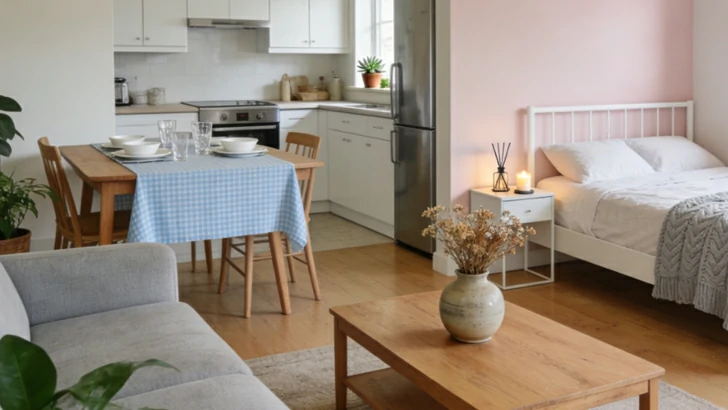
Your Sanctuary: Home and Living Environment
A frugal home is not a bare or shabby one; it is a curated, comfortable, and functional space. It reflects intentionality, where every item has purpose and value, creating an atmosphere of warmth and sophistication without extravagance.
1. Embrace DIY and Upcycling
Personal touches often have more charm than expensive, mass-produced decor. Learn to paint furniture, reupholster chair cushions, or frame your own art and photographs. Upcycling thrift store finds or family hand-me-downs can create unique, conversation-starting pieces that reflect your personality, not just your spending power.
2. Prioritize Function and Multi-Use
Before any purchase, ask about its utility. Choose a sturdy wooden trunk that serves as a coffee table, extra seating, and storage. Opt for a quality sofa with a washable cover. Invest in good kitchen knives and basic cookware rather than single-use gadgets. Multi-functional items reduce clutter and provide better long-term value.
3. Cultivate a ""Less is More"" Aesthetic
A clean, organized, and minimally decorated space inherently looks more expensive and intentional than a cluttered one. Regularly declutter, use cohesive color schemes, and ensure everything has a designated place. The simplicity of a well-made bed, a few live plants, and tidy surfaces projects a serene and put-together lifestyle at virtually no cost.

Nourishment and Socializing: Food and Entertainment
Frugality shines in the kitchen and social calendar. It's about savoring richer experiences and flavors, often by shifting focus from convenience and prestige to creativity and connection.
1. Become a Home Chef
Cooking at home is the single most effective frugal practice. It allows control over ingredients, portions, and health. Plan weekly meals, batch cook staples like grains and proteins, and learn to transform leftovers into new meals. A simple, beautifully plated homemade meal with friends is far more impressive than an expensive, rushed restaurant dinner.
2. Redefine Entertainment
Move beyond expensive bars, concerts, and movies. Host potluck dinners, game nights, or picnics in the park. Explore free community events, museum free-entry days, hiking trails, and public libraries. The focus becomes the quality of interaction rather than the cost of the venue, often leading to more memorable and authentic experiences.
3. Smart Coffee and Dining Out
Instead of a daily expensive café latte, invest in a quality French press or pour-over setup and brew at home. When dining out, do so strategically: opt for lunch specials instead of dinner, share appetizers or entrees, and skip overpriced cocktails and desserts. Choose quality over frequency—one excellent meal per month is better than several mediocre ones.
Advertisements
Advertisements
You May Have Missed

Husband divorces wife after she gives birth to black child, her secret revealed 10 years later

Funny wedding photos make people feel sorry for the bride and groom