
How to Apply for Maximum Effectiveness and Safety
Advertisements
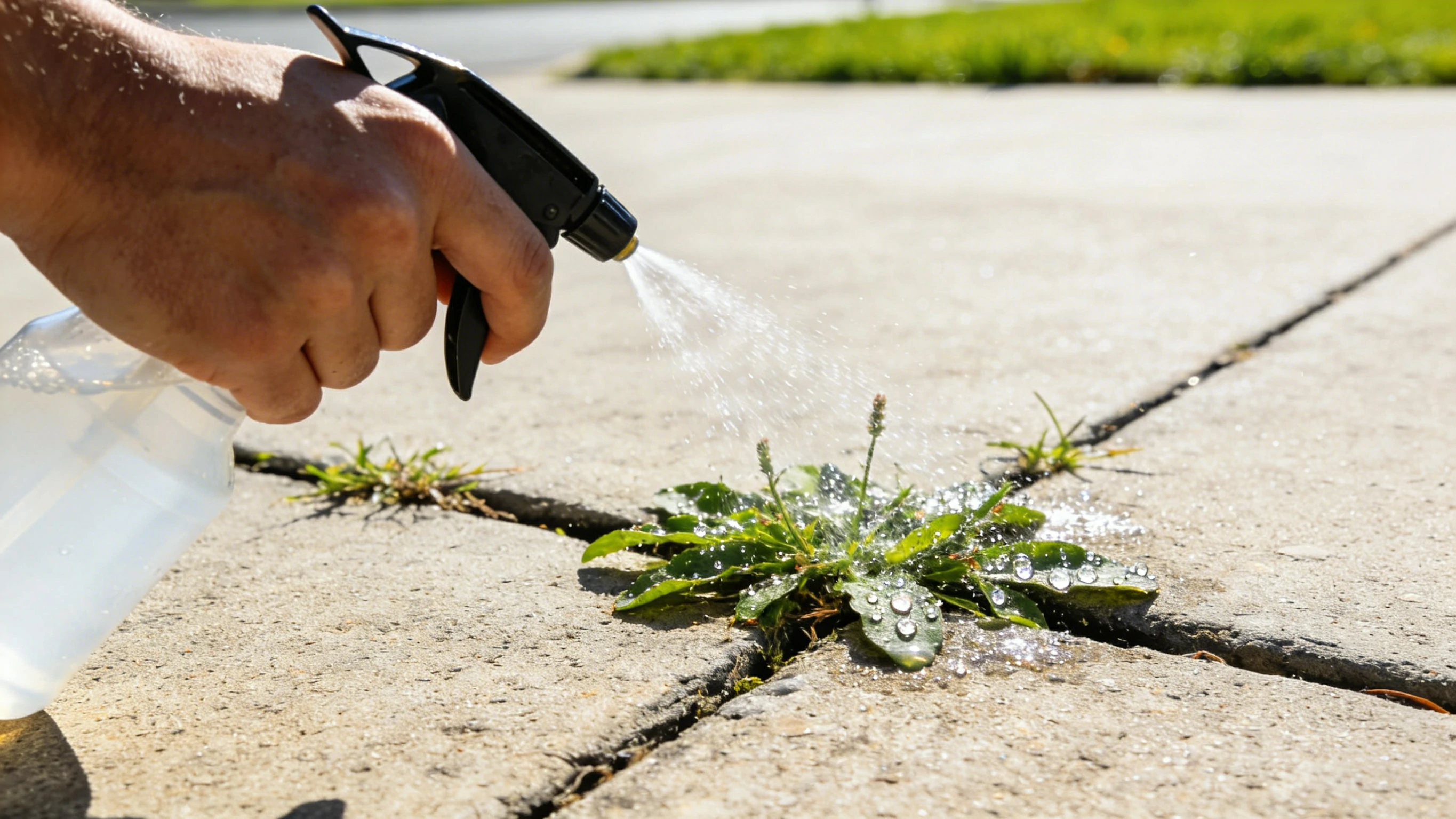
Correct application is crucial for success and to protect your garden and yourself.
1. Ideal Application Conditions
Apply on a calm, dry, sunny day. Wind will cause drift onto desirable plants. Rain will wash the solution away before it can work. Sunlight and heat help accelerate the dehydration process after application.
2. Application Technique
Spray generously, thoroughly wetting all leaves and stems of the target weed until the solution just begins to drip off. The goal is complete coverage. For best results, spray young, actively growing weeds. Avoid soaking the soil extensively, as this is wasteful and unnecessary since the alcohol does not target roots.
3. Post-Application Expectations
You will notice wilting and browning often within a few hours, with full desiccation occurring in 24-48 hours. Since alcohol is non-systemic, check the area in a week. If the weed regrows from the crown or roots, a second application will be necessary once new growth appears.
4. Precise Spot Treatment
For weeds growing very close to desirable plants, consider using a shielded sprayer or even a small paintbrush to dab the solution directly onto the weed's leaves, avoiding any contact with valued plants.
Critical Safety Precautions and Warnings
Isopropyl alcohol is flammable and can be an irritant. Treat this homemade herbicide with respect.
1. Personal Protective Equipment (PPE)
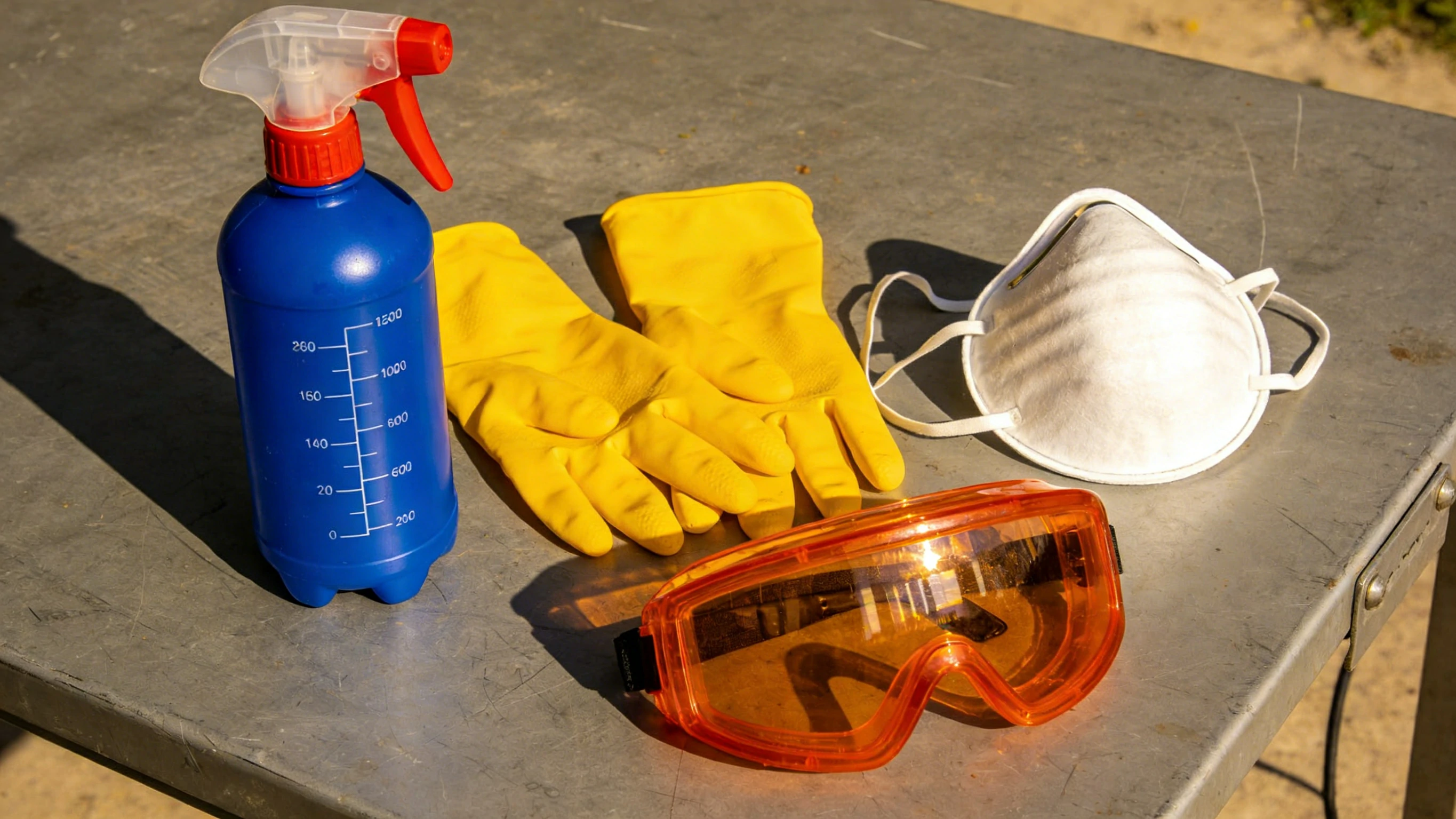
Always wear gloves and safety goggles when mixing and spraying. Consider a mask if spraying in an enclosed area or if you are sensitive to fumes. Wear long sleeves and pants to protect your skin.
2. Flammability Hazard
Isopropyl alcohol and its vapors are highly flammable. Do not mix, store, or use near open flames, sparks, hot surfaces, or electrical equipment. Do not smoke during the process. Allow sprayed areas to dry completely before exposing them to any potential ignition source.
3. Environmental and Plant Safety
This solution will kill any plant it touches. Be absolutely certain of your aim. Avoid spraying on windy days (>5 mph). Do not use it as a soil drench, as it can harm soil microbiology. It is best suited for non-vegetated areas like driveways, walkways, stone paths, and fence lines.
4. Storage and Disposal
Store the mixed solution in its clearly labeled spray bottle, out of reach of children and pets, in a cool, dark place away from direct sunlight and heat sources. For disposal, small amounts of unused solution can be diluted with large amounts of water and poured down the drain. Never pour concentrated alcohol or large quantities of mix onto soil or into storm drains.
Advertisements
Comparison with Other Natural Weed Control Methods
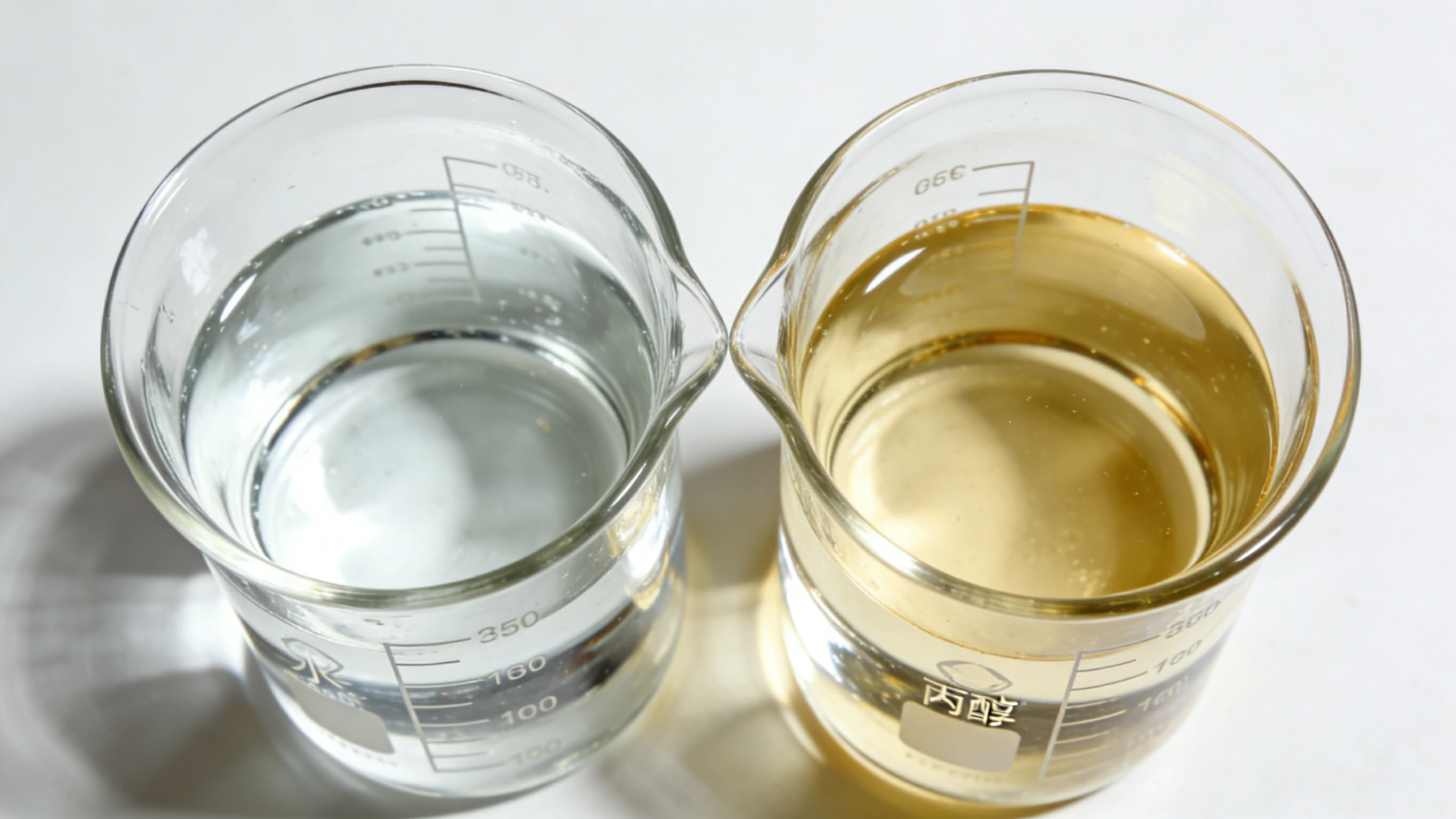
Understanding how alcohol stacks up against other popular DIY herbicides helps in choosing the right tool for the job.
1. vs. Vinegar (Acetic Acid) Solutions
Household vinegar (5% acetic acid) is a weaker herbicide than commonly believed. Horticultural vinegar (20-30% acetic acid) is far more effective but is a dangerous acid that requires serious PPE. Alcohol acts faster than even horticultural vinegar but, like vinegar, is a contact killer only. Vinegar can slightly acidify soil; alcohol evaporates completely.
2. vs. Boiling Water
Boiling water is excellent for weeds in pavement cracks—it kills on contact and can slightly scald roots. It requires no chemicals but poses a burn risk and is not practical for large areas. Alcohol is easier to apply precisely over larger areas than carrying pots of boiling water.
3. vs. Commercial Natural Herbicides
Many "natural" store-bought herbicides use clove oil (eugenol), citric acid, or iron-based compounds (FeHEDTA). These tend to be more expensive but are formulated for safety and sometimes offer broader-spectrum control. Alcohol is a more immediate, cost-effective spot treatment for the DIY enthusiast.
Addressing Common Questions and Concerns
1. Will it kill weeds for good?
It kills the top growth completely. For annual weeds, this is often enough. For perennial weeds with established root systems (like dandelion, bindweed, or thistle), the roots may survive and send up new shoots, requiring repeated applications to exhaust the root's energy reserves.
2. Is it safe for pets and wildlife?
Once the alcohol has completely evaporated (which happens very quickly, usually within minutes to an hour), the area is safe. The key is to keep pets away during application and until the treated foliage is dry. It does not leave a toxic residue in the soil.
3. Can I use it in my vegetable garden?
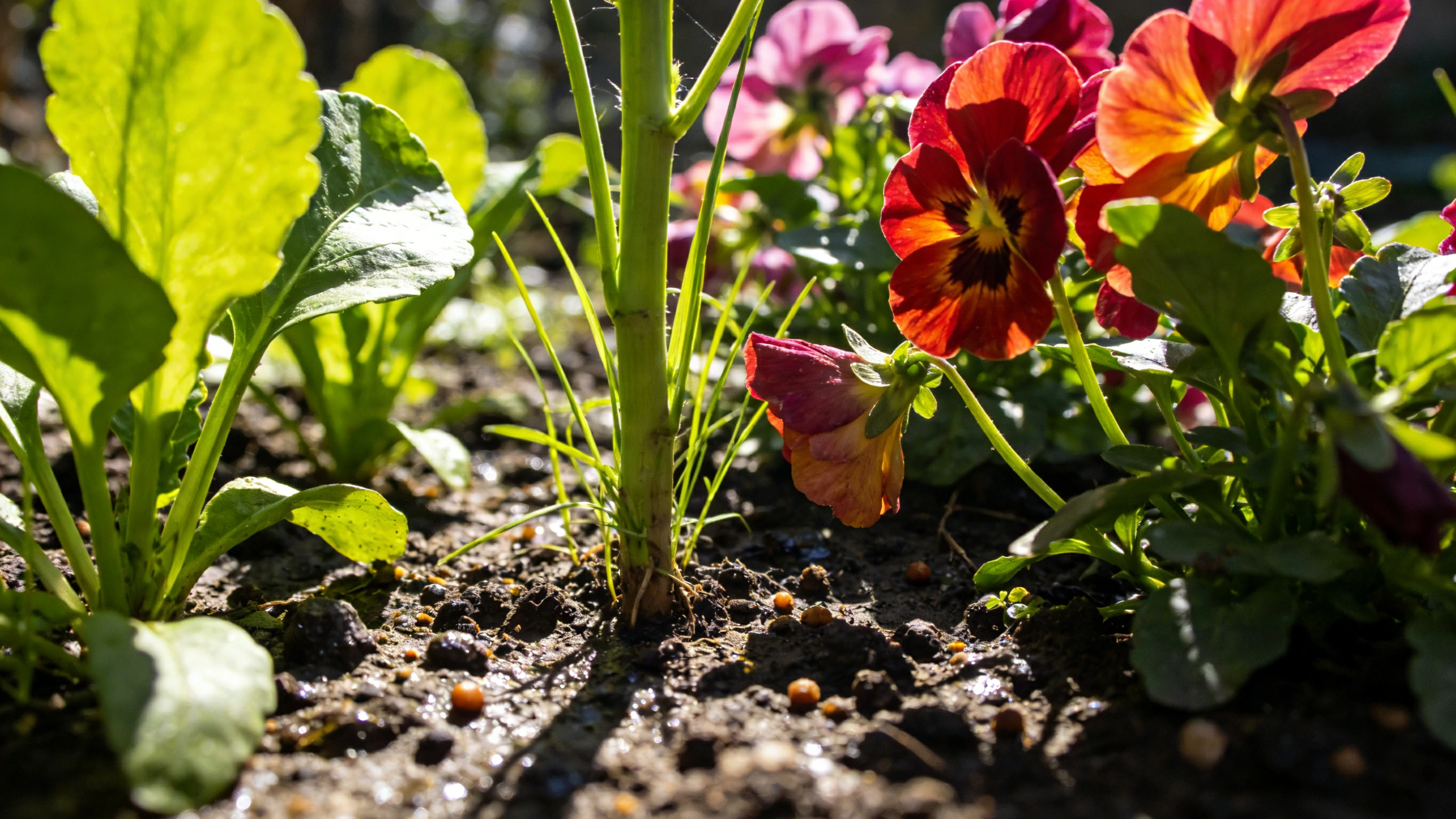
It is not recommended for use in vegetable gardens or flower beds where drift is inevitable. The risk of killing your crops or ornamentals is extremely high. Use it strictly for weeds in hardscape areas well away from desirable plants.
4. Does the concentration of alcohol matter?
Yes. Higher concentrations (like 91%) are more aggressively dehydrating but more hazardous. 70% is effective for most needs and is safer. Very low concentrations (below 50%) may not be effective enough.
Advertisements
Advertisements
You May Have Missed

30+ Stunning And Successful Redheads Of Hollywood

39 Awkward Vacation Photos You Absolutely Should See