
Critical Safety Precautions and Environmental Notes
Advertisements

While "natural," this mixture is a potent acid and can cause harm if misused. Responsible application protects you, your garden, and the broader environment.
1. Personal Protective Equipment (PPE)
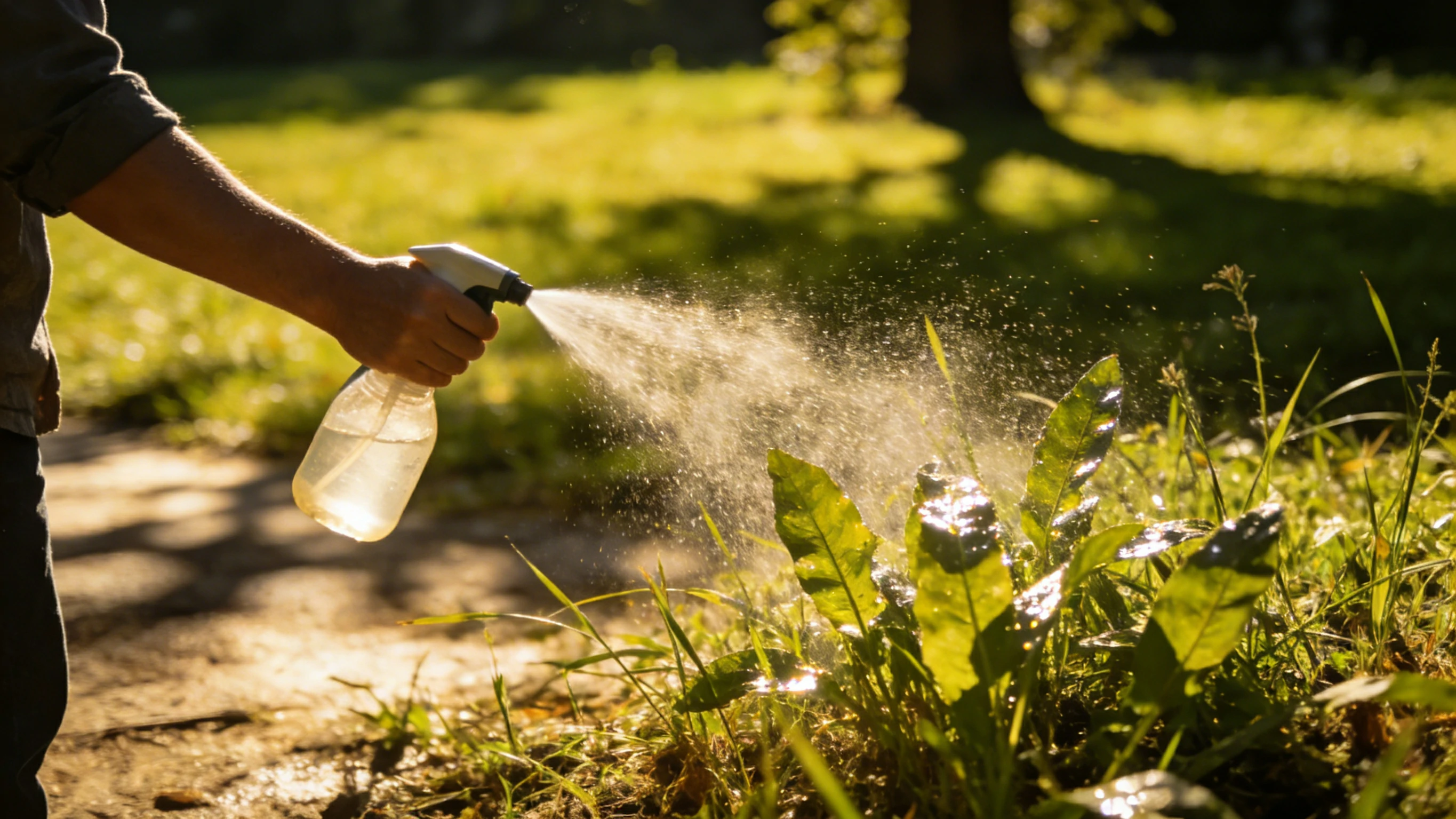
Always wear protective gear: safety goggles to shield your eyes from acid splashes, chemical-resistant gloves, long sleeves, and long pants. If using high-concentration horticultural vinegar (over 10%), consider wearing a mask to avoid inhaling fumes. Treat this homemade herbicide with the same respect as a commercial chemical product.
2. Protecting Desired Plants and Soil
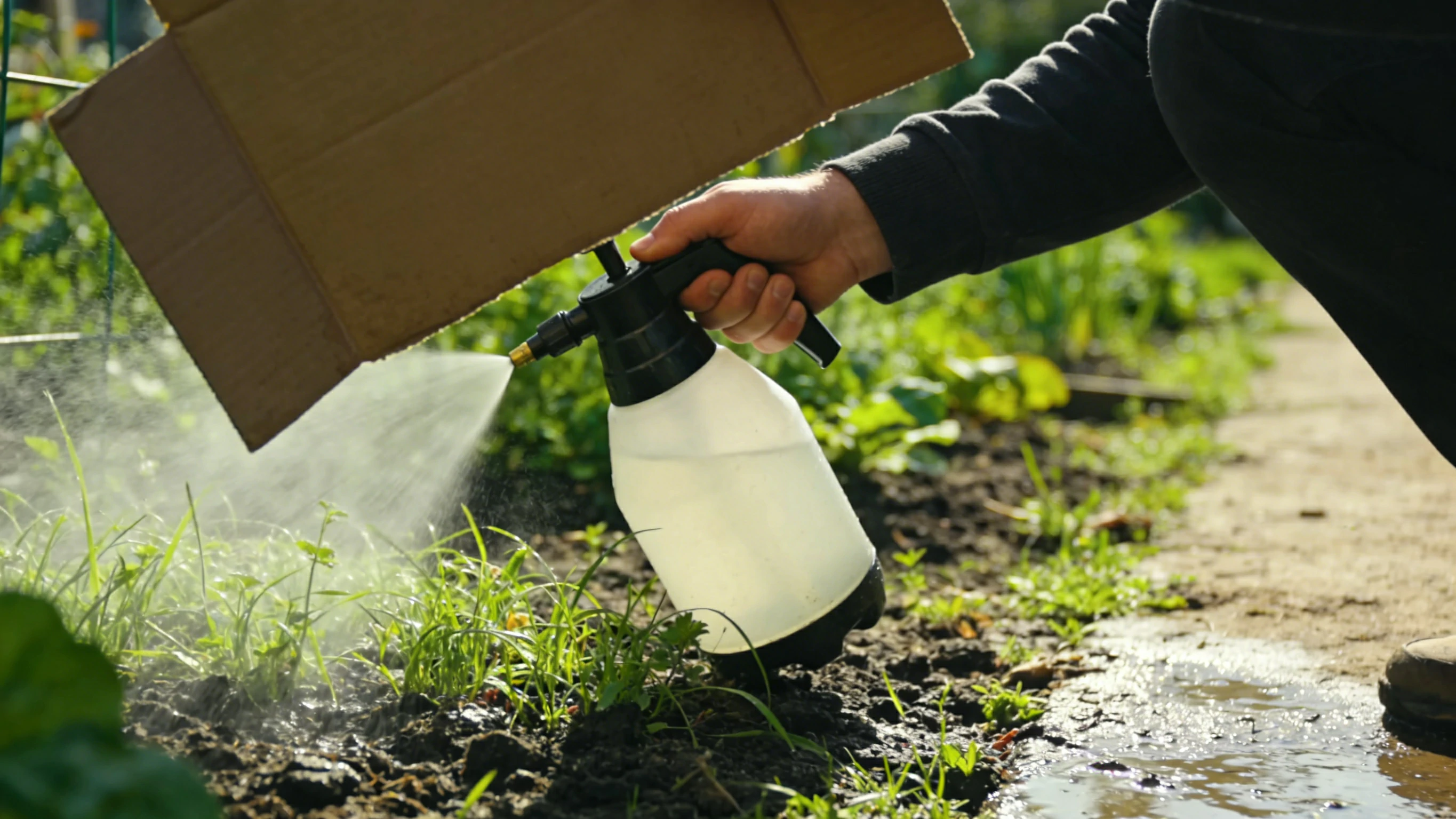
This is a non-selective, broad-spectrum herbicide. It will damage or kill any plant it contacts, including your lawn, flowers, and shrubs. Use a shield or cardboard when spraying near desirable plants. Be mindful of spray drift. Furthermore, the high concentration of Epsom salt can temporarily alter soil chemistry in the immediate application area. Avoid saturating the soil, and do not use this mix in garden beds where you plan to plant desirable seeds or seedlings soon after.
Understanding the Limitations and Best Use Cases
This vinegar and Epsom salt recipe is a powerful tool but not a magic bullet. Knowing its strengths and weaknesses will lead to greater satisfaction.
1. What It Kills Best
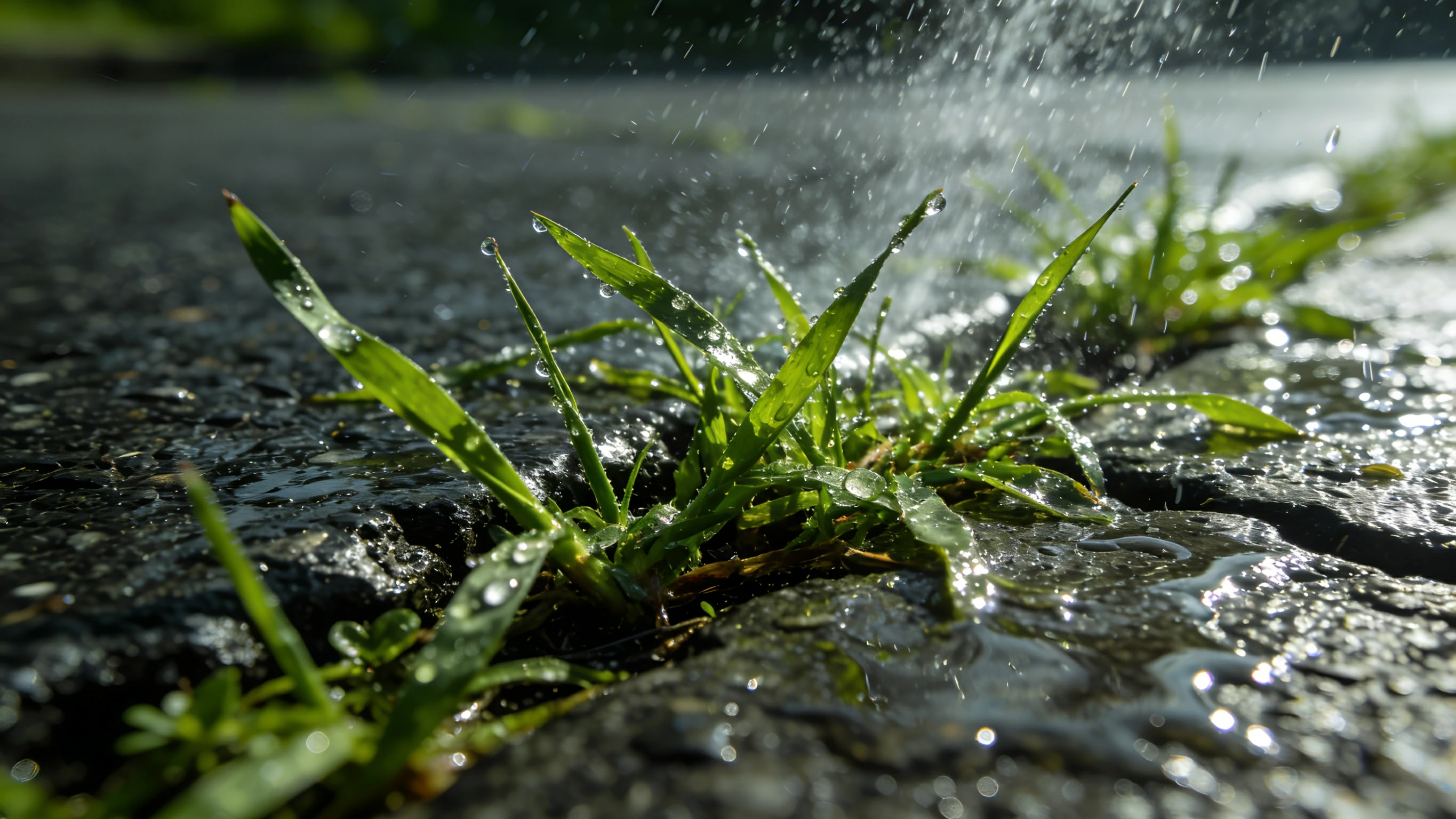
This solution is exceptionally effective on annual weeds, young seedlings, and soft-leaved weeds (like chickweed, dandelion, crabgrass, and purslane) in non-planting areas. It excels for spot-treating weeds in driveway cracks, between pavers, along fence lines, and in gravel paths—places where you don't want any vegetation.
2. Its Limitations and Challenges
The primary limitation is that it may not kill deep-rooted perennial weeds (like bindweed, thistle, or Japanese knotweed) permanently with a single application. It reliably kills the top growth, but the roots may survive and regenerate. Repeated applications are necessary to exhaust the root system. It is also less effective on mature, woody, or waxy-leaved weeds. The effects are not systemic like glyphosate, meaning the herbicide does not reliably circulate through the plant's entire vascular system.
Frequently Asked Questions (FAQ)
Many users have common questions when first trying this natural method. Here are clear answers to the most frequent inquiries.
1. How fast will I see results?
You will often see wilting and browning of the weed foliage within a few hours, especially on a sunny day. Most treated weeds will show significant die-back within 24-48 hours.
2. Is this solution safe for pets?
Once the applied solution has completely dried on the weeds (typically after a few hours), the area is generally safe for pets to walk on. However, to be cautious, keep pets away from the treated area until it is dry. Do not allow them to ingest the liquid solution or wet, treated foliage.
3. Can I increase the potency?
Yes, the two main ways to increase potency are to use a higher concentration of acetic acid (e.g., horticultural vinegar at 20-30%) and to ensure the Epsom salt is fully dissolved. Some recipes also add a small amount of citrus oil for an extra punch, but this can increase the risk of harming desired plants.
Conclusion: A Valuable Tool in the Natural Gardener's Arsenal
The vinegar and Epsom salt weed killer recipe is a proven, effective, and economical DIY solution for managing unwanted vegetation in targeted, non-crop areas. By understanding its mode of action—the rapid desiccation from vinegar and the disruptive salt effect—you can apply it strategically for the best results. Remember that its greatest strength lies in controlling annual weeds and providing top-kill on perennials, often requiring follow-up applications. When used with the proper precautions regarding personal safety and plant protection, this homemade herbicide offers a satisfying way to tackle weeds while reducing reliance on synthetic chemicals. It embodies a practical step towards more sustainable gardening and yard maintenance.
Advertisements
Advertisements
You May Have Missed

Put an onion under your feet while you sleep and see what happens

Time Travel Through History With These Vintage Photos