
DIY Rubbing Alcohol Weed Killer That Really Works
Advertisements
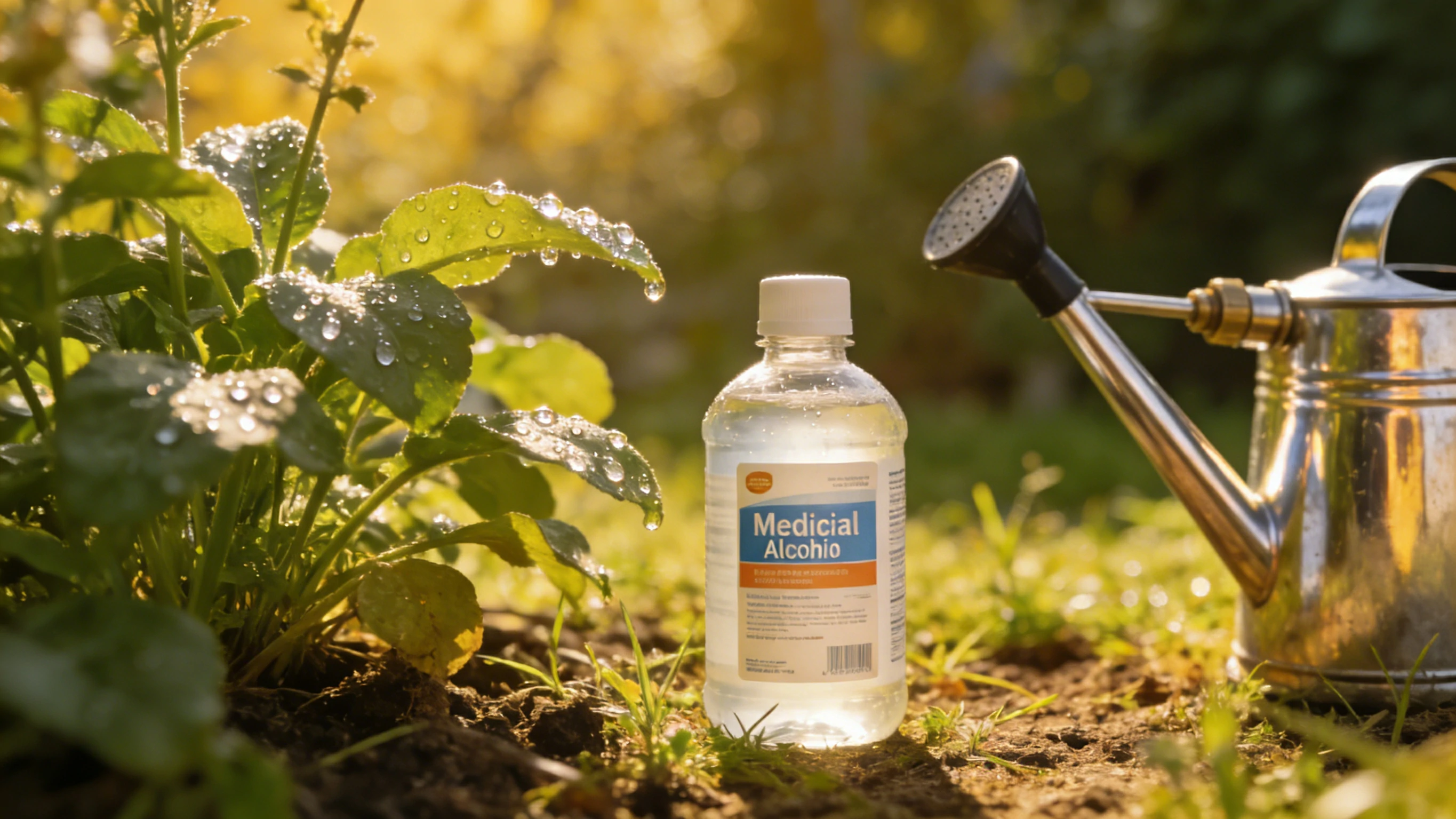
For gardeners and homeowners seeking an effective, accessible, and immediate solution for unwanted weeds, do-it-yourself remedies are a popular first line of defense. Among these, rubbing alcohol (isopropyl alcohol) has gained notable attention as a potent, non-selective herbicide. This guide provides a comprehensive, step-by-step approach to creating and using a DIY rubbing alcohol weed killer that delivers visible results. We'll explore the science behind its effectiveness, precise formulations, application best practices, critical safety measures, and how it compares to other natural and commercial options. By understanding the principles and methods outlined here, you can tackle weed infestations in driveways, sidewalks, and garden borders efficiently and with common household ingredients.
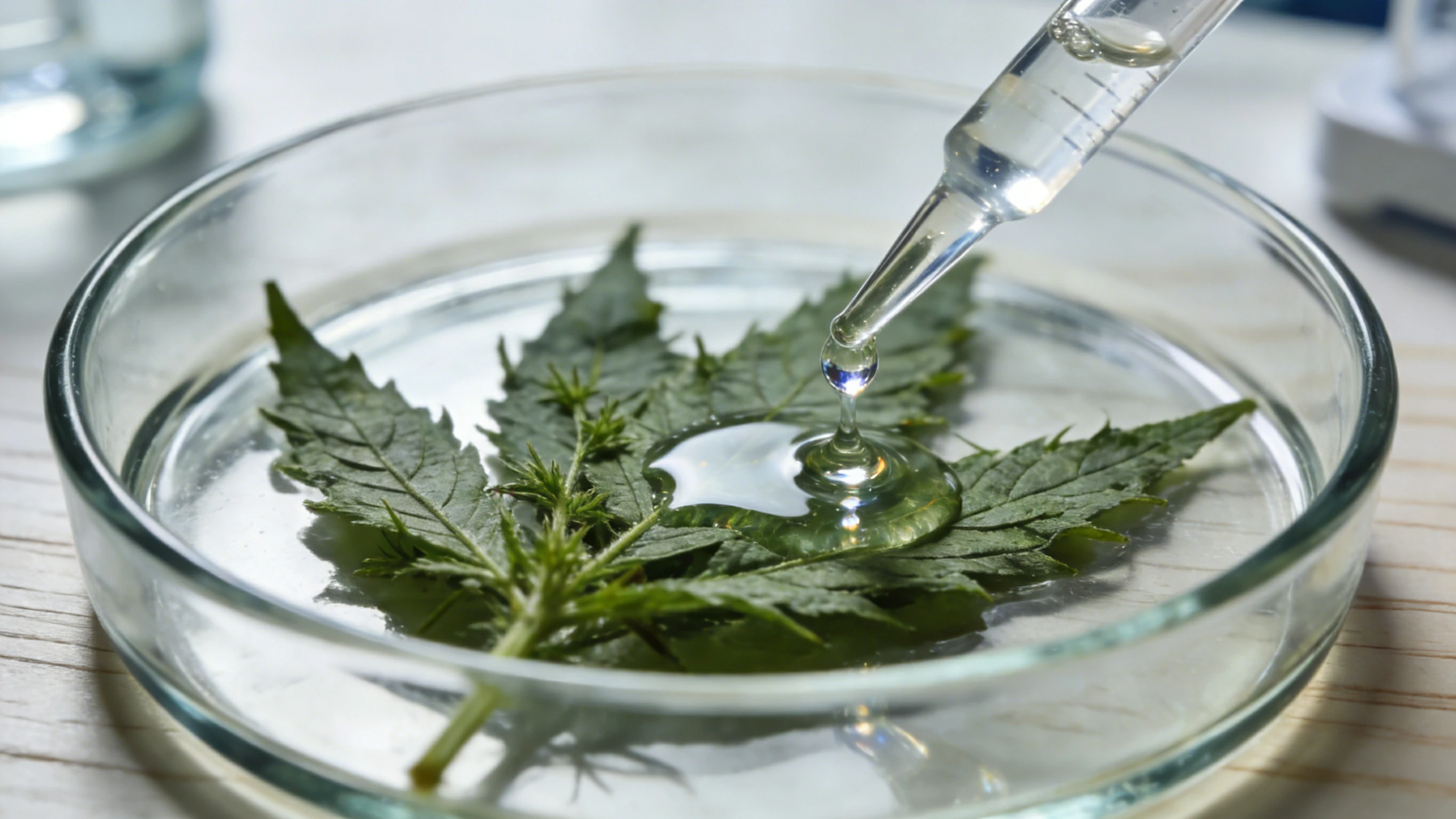
The Science Behind Alcohol as a Herbicide
Rubbing alcohol, typically isopropyl alcohol (IPA) with concentrations of 70% or 91%, works as a contact herbicide through a process of rapid desiccation and cellular disruption. Unlike systemic herbicides that are absorbed and translocated throughout the plant, alcohol's action is immediate and localized.
1. Mechanism of Action
When sprayed directly onto foliage, the high concentration of alcohol quickly dissolves the protective waxy cuticle on leaves and stems. This breach allows the alcohol to penetrate plant cells and dehydrate them by drawing out essential moisture. Furthermore, it denatures (breaks down) the proteins within the plant cells, causing immediate damage to the cellular structure. The effect is often visible within hours as the treated foliage wilts, turns brown, and desiccates.
2. Why It's Non-Selective
This mode of action does not discriminate between weed and desirable plant cells. Any green tissue contacted by the spray will suffer the same fate, making precise application paramount. It is ineffective on roots since it is not translocated, meaning perennial weeds may regrow from untouched root systems.
3. Advantages of This Approach
The primary advantages are speed and accessibility. It acts faster than many vinegar-based solutions and utilizes a product found in most medicine cabinets. It leaves no long-term residue in soil, as alcohol evaporates completely and quickly after application.
Advertisements
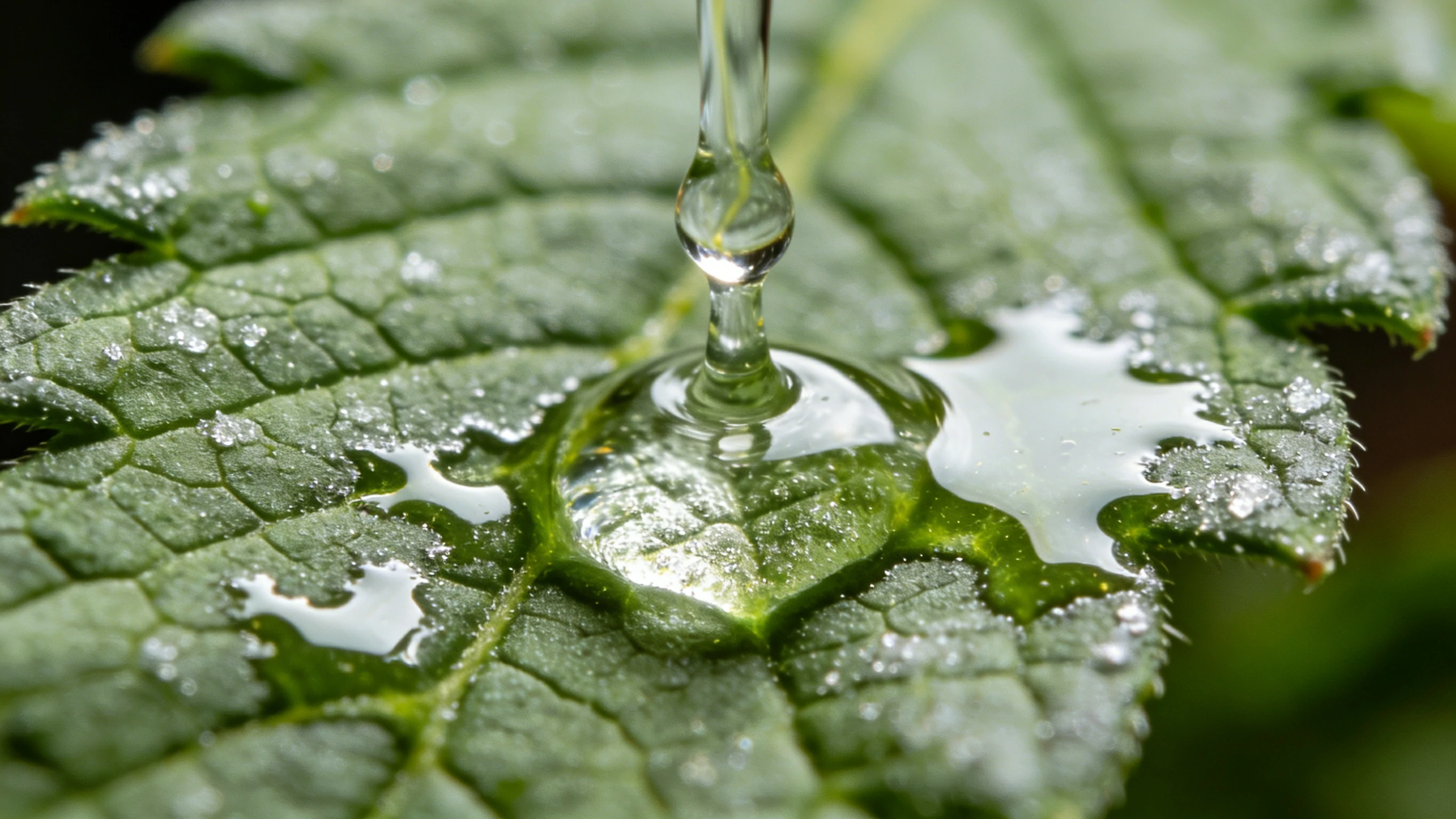
Essential Ingredients and Tools
Creating this weed killer requires minimal components. Using the correct ingredients and proportions is key to balancing efficacy and safety.
1. Choice of Rubbing Alcohol
Standard isopropyl alcohol (IPA) from the pharmacy is perfect. A concentration of 70% is often recommended for DIY mixes as it is slightly less volatile than 91% and contains more water, which can aid in dehydration. However, 91% can be used for a more potent mix, especially on resilient, waxy-leaved weeds.
2. The Role of Water
Water is used to dilute the alcohol. For most applications, a 1:1 or 2:1 ratio of water to alcohol is effective. Using pure alcohol is wasteful, evaporates too quickly for good leaf coverage, and is a significant fire hazard. Dilution makes the solution safer to handle and helps it coat the leaf surface more effectively.
3. Additives for Enhanced Effectiveness (Optional)
A few drops of liquid dish soap can be added as a surfactant. It helps break the surface tension of the water-alcohol mixture, allowing it to spread and stick to the waxy weed leaves more evenly, improving contact and overall efficacy.
4. Necessary Equipment
You will need a spray bottle (a clean, empty one-gallon garden sprayer for large areas or a standard trigger spray bottle for spot treatment), measuring cup, funnel, and protective gear (gloves, goggles). Always label the spray bottle clearly as "Weed Killer - Isopropyl Alcohol."
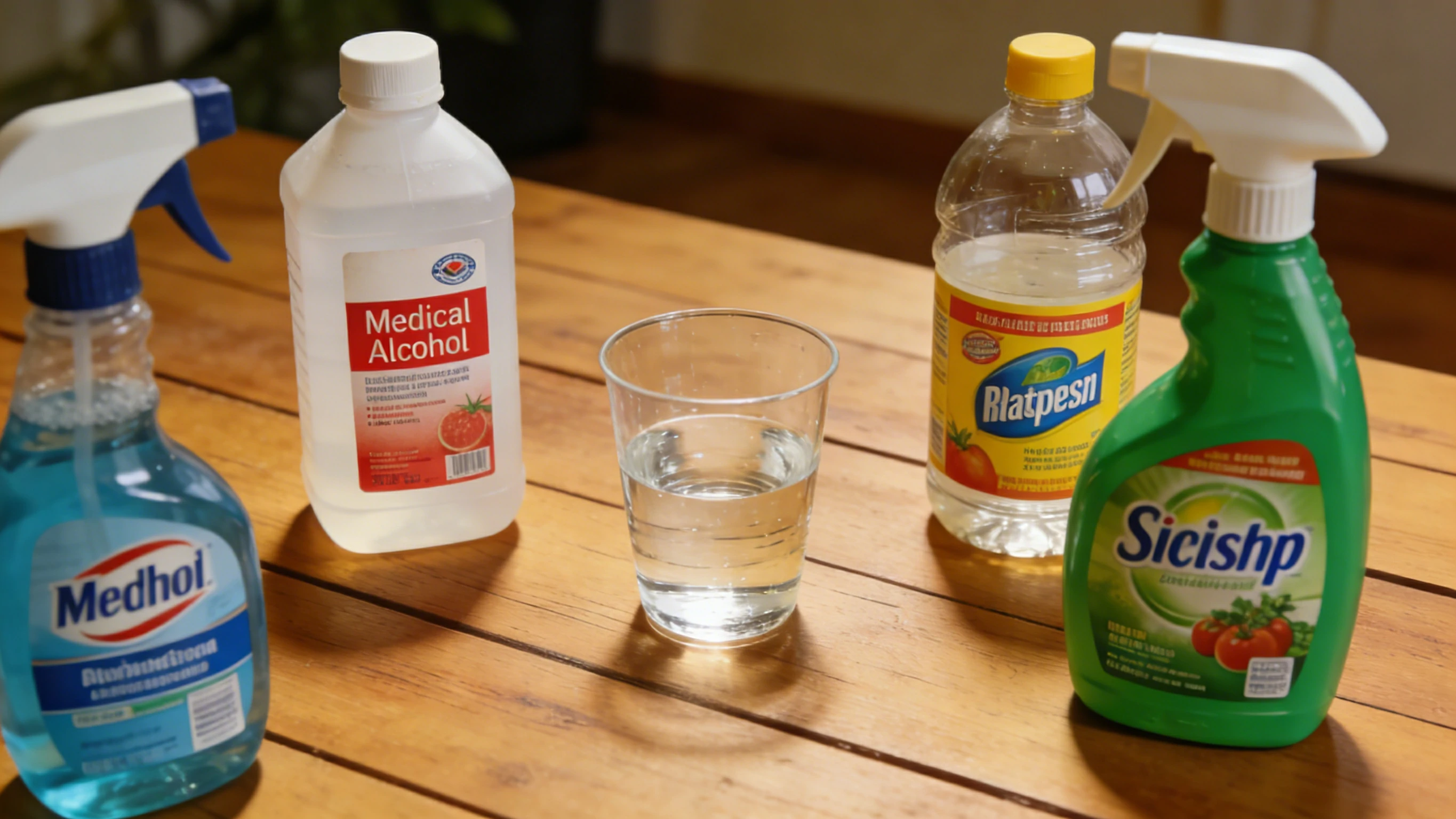
Step-by-Step DIY Recipes and Formulations
Here are two proven recipes, from a standard mix to a stronger formulation for tough weeds.
1. Standard All-Purpose Weed Killer
This is the most common and balanced formulation, suitable for a wide range of annual weeds and young perennial weeds in cracks, gravel, and patio joints.
Formula: Mix 2 parts water with 1 part 70% isopropyl alcohol. For example: 2 cups water + 1 cup rubbing alcohol. Add 1 teaspoon of liquid dish soap. Shake gently to mix.
2. Heavy-Duty Formula for Resilient Weeds
For weeds with thick, waxy leaves (like certain sedges or mature dandelions), a stronger solution can be more effective.
Formula: Mix 1 part water with 1 part 91% isopropyl alcohol. For example: 1 cup water + 1 cup rubbing alcohol. Add 1-2 teaspoons of liquid dish soap. Shake to combine. Note: This mix is more volatile and poses a higher fire risk; use with extreme caution and avoid use on very hot, sunny days.
3. Important Mixing Instructions
Always add the water to the spray bottle first, followed by the rubbing alcohol, and then the soap (if using). This minimizes foaming and ensures proper mixing. Never mix or store the solution near an open flame or heat source.
Advertisements
Advertisements
You May Have Missed

29 shameless photos of Dubai that will amaze you

The 10 riskiest dog breeds to keep at home